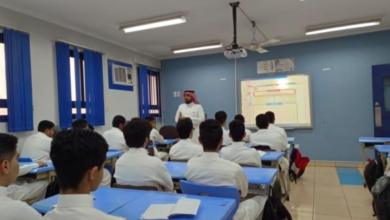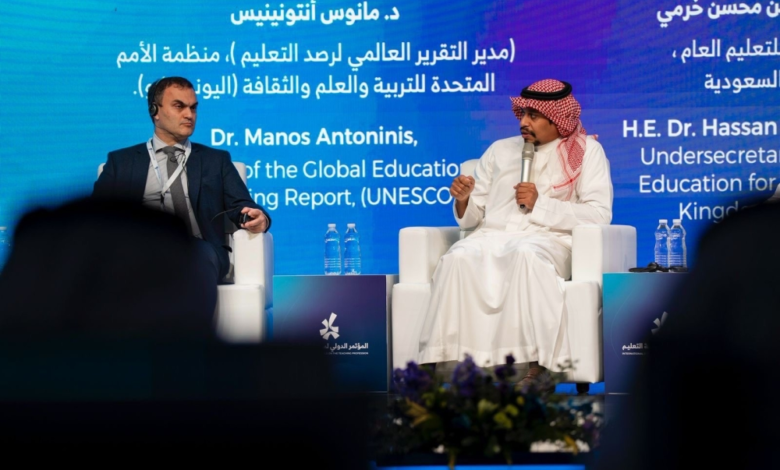

في تأكيد جديد على محورية الدور البشري في العملية التربوية رغم الطفرة التقنية الهائلة، شددت وزارة التعليم السعودية، خلال مشاركتها الفاعلة في المؤتمر الدولي لمهنة التعليم بسلطنة عُمان، على أن المعلم يظل هو «القلب النابض» والفاعل الرئيس في إحداث الأثر التربوي المستدام وضمان جودة التعلم. جاء ذلك وسط نقاشات عالمية محتدمة حول دور التقنيات الحديثة، حيث أوضحت الوزارة أن الذكاء الاصطناعي يمثل أداة تمكين داعمة، ولا يمكن بأي حال أن يكون بديلًا عن الدور الإنساني والقيادي للمعلم.
سياق عالمي وتحديات تقنية متسارعة
تأتي هذه التصريحات في وقت يشهد فيه العالم تحولات جذرية في أنماط التعليم، مدفوعة بتطور تقنيات الذكاء الاصطناعي التوليدي. وتكتسب مشاركة المملكة في هذا الحدث الدولي أهمية خاصة، حيث يسعى المؤتمر إلى رسم خارطة طريق توازن بين الاستفادة القصوى من التكنولوجيا والحفاظ على القيم التربوية الأصيلة. ويُعد هذا الحدث منصة إقليمية ودولية لتبادل الخبرات حول كيفية تطويع التقنية لخدمة الإنسان، وليس العكس، مما يعكس وعيًا متزايدًا بأن التكنولوجيا وسيلة وليست غاية في حد ذاتها.
الرؤية السعودية: بناء الإنسان قبل البنيان
واستعرض وكيل وزارة التعليم للتعليم العام، الدكتور حسن خرمي، التجربة السعودية الرائدة في تطوير مهنة التعليم والقيادة التربوية، والتي تتماشى مع مستهدفات رؤية المملكة 2030 في بناء مجتمع حيوي واقتصاد مزدهر. وأوضح خرمي أن المنظومة التعليمية الوطنية ترتكز على استراتيجية «التعليم المستدام»، الذي لا يكتفي بنقل المعرفة، بل يركز على تعزيز جودة المخرجات ومواكبة التحولات التقنية المتسارعة، مع التمسك بالدور المحوري للمعلم كقائد للتغيير.
وأشار إلى أن التجربة السعودية تولي اهتمامًا استثنائيًا بترسيخ المهارات الأساسية لدى الطلبة، وتعزيز القيم والسلوك الإيجابي، وتنمية الصلابة النفسية. وأكد أن هذه الأولويات التعليمية تمتد من مرحلة رياض الأطفال وحتى سن الثامنة عشرة، بهدف إعداد جيل مرن قادر على التعلم الذاتي، وحل المشكلات، والتمتع بذكاء اجتماعي وعاطفي يمكنه من التكيف مع المتغيرات الاقتصادية والوظيفية المستقبلية.
الذكاء الاصطناعي: أداة للإثراء لا للإلغاء
وفي محور النقاش حول التقنية، أكد المؤتمر في توصياته ومحاوره الرئيسة أن المعلم يمثل حجر الأساس في تحسين نواتج التعلم. وتم الاتفاق على أن توظيف الذكاء الاصطناعي يجب أن يتم ضمن أطر أخلاقية وتنظيمية واضحة تدعم المعلم وتثري تجربته التعليمية، وتساعده في تحليل البيانات وتخصيص التعلم، دون أن تنتقص من دوره الإنساني والتربوي الذي لا يمكن للآلة محاكاته.
توصيات لمستقبل تعليمي مستدام
واختتم المؤتمر الدولي لمهنة التعليم، الذي عُقد تحت شعار «تعليم مستدام في عصر الذكاء الاصطناعي»، أعماله بجملة من التوصيات الهامة، أبرزها ضرورة تطوير السياسات التعليمية الوطنية المستدامة بما يتسق مع الأطر الدولية. كما دعا المشاركون إلى تعزيز توظيف الذكاء الاصطناعي في دعم الشمول والإنصاف التعليمي، وبناء أنظمة تعليمية مرنة قادرة على الصمود والتكيف مع الأزمات المستقبلية، لضمان استمرار العملية التعليمية بكفاءة عالية في مختلف الظروف.