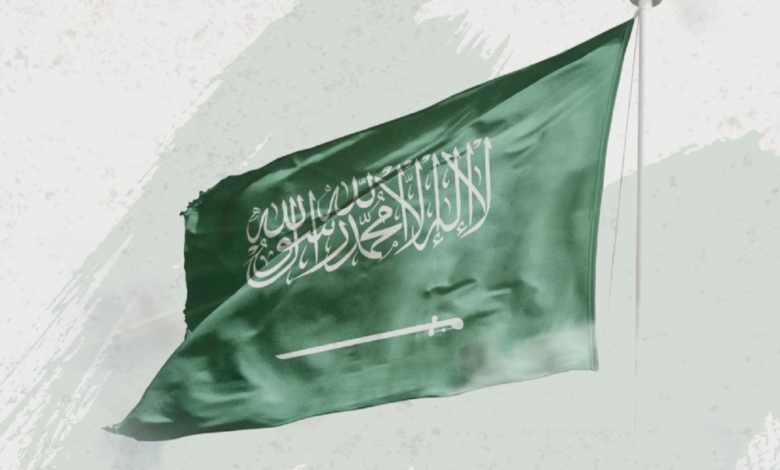
The Caesar Act was repealed and sanctions against Syria were lifted thanks to Saudi efforts

In a new diplomatic victory reflecting the Kingdom of Saudi Arabia’s weight on the international stage, the tireless efforts led by His Royal Highness the Crown Prince – may God protect him – culminated in the United States officially announcing the repeal of the “Caesar Act” and the lifting of all economic sanctions imposed on Syria. This historic step comes as the culmination of an active diplomatic campaign that began with US President Donald Trump’s visit to the Kingdom last May, during which he responded to the Saudi leadership’s request to end the economic isolation of the brotherly Syrian people.
The end of the sanctions era and the beginning of openness
The signing of the National Defense Authorization Act for 2026 by the US President, which included an explicit provision to repeal the Caesar Act, represents a pivotal turning point in the region's history. This decision not only lifts political restrictions but also paves the way for Syria's reintegration into the global economic system. The Kingdom expressed its appreciation for this positive step, which reflects the understanding shown by the US administration, under President Trump, of the Saudi vision aimed at strengthening regional stability and ending the suffering of its people.
Expected recovery of the Syrian economy
This decision is expected to have a positive impact on the Syrian economy, as lifting the sanctions allows:
- Unfreezing assets: Releasing the funds of the Central Bank of Syria and frozen assets abroad, providing urgent cash liquidity to support the local currency.
- The return of the “SWIFT” system: Reconnecting the Syrian banking sector to the global transfer system, which facilitates import and export operations and reduces the costs of basic goods for citizens.
- Attracting investments: Opening the way for international companies to invest in the Damascus Securities Exchange and the energy and infrastructure sectors without fear of legal repercussions imposed by the Caesar Act.
Saudi support: From relief to development
The Kingdom's role was not limited to diplomatic efforts; it also provided a model of direct economic support to ensure the success of the transitional phase in Syria under the leadership of President Ahmed al-Sharaa. The Saudi support package included:
- Syria's arrears to the World Bank amounting to $15 million have been paid.
- Supporting the energy sector with 1.65 million barrels of crude oil.
- Supporting the salaries of state employees to ensure the continuity of public services.
The historic meeting hosted by the Kingdom between US President Donald Trump and Syrian President Ahmed al-Sharaa, the first of its kind in a quarter of a century, also sent a clear message about Syria's return to the international arena through the Saudi gateway.
A call for unity and construction
In light of this major breakthrough, attention is now turning to the Syrian interior, where the urgent need for all Syrian factions to unite and set aside their differences is paramount. The lifting of sanctions provides fertile ground for building state institutions, but this requires diligent work to strengthen national unity and make the most of upcoming investment opportunities to achieve prosperity for the Syrian people, who have long suffered the ravages of siege and war.