
مقدمة: التنسيق السعودي المصري لضمان استقرار الشرق الأوسط
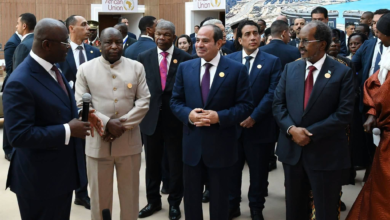
في ظل التطورات المتلاحقة التي يشهدها الشرق الأوسط، تتصدر المملكة العربية السعودية وجمهورية مصر العربية المشهد السياسي من خلال تكثيف المباحثات الثنائية الرامية إلى خفض التصعيد في المنطقة. يمثل هذا التنسيق المستمر بين الرياض والقاهرة حجر الزاوية لضمان الأمن والاستقرار الإقليمي، حيث تدرك القيادتان حجم التحديات الراهنة وضرورة توحيد الرؤى والمواقف للتعامل مع الأزمات المتعددة التي تهدد السلم والأمن الدوليين.
السياق العام والخلفية التاريخية للعلاقات الاستراتيجية
تاريخياً، شكلت العلاقات السعودية المصرية محوراً أساسياً في النظام الإقليمي العربي. لطالما لعبت الدولتان دوراً حاسماً في احتواء الأزمات التي مرت بها المنطقة على مدار العقود الماضية. من دعم القضايا العربية العادلة، وعلى رأسها القضية الفلسطينية، إلى التصدي للتدخلات الخارجية في الشؤون العربية، أثبتت المواقف المشتركة بين البلدين أنها صمام الأمان للعالم العربي. هذا التعاون ليس وليد اللحظة، بل هو امتداد لعقود من التحالف الاستراتيجي والتكامل السياسي والاقتصادي والأمني، حيث تدرك كلتا الدولتين أن أمن الخليج العربي مرتبط ارتباطاً وثيقاً بأمن البحر الأحمر وشمال أفريقيا.
أبرز الملفات الإقليمية ودوافع خفض التصعيد
تأتي هذه المباحثات في وقت بالغ الحساسية، حيث تواجه المنطقة أزمات معقدة ومتشابكة. تتصدر الحرب في قطاع غزة وتداعياتها الإنسانية والأمنية قائمة الأولويات، حيث تسعى السعودية ومصر إلى الوقف الفوري لإطلاق النار وإدخال المساعدات الإنسانية، مع التأكيد على الحل الجذري المتمثل في حل الدولتين وإقامة دولة فلسطينية مستقلة. بالإضافة إلى ذلك، تناقش الدولتان التوترات المتصاعدة في البحر الأحمر والتي تؤثر بشكل مباشر على حركة الملاحة الدولية والتجارة العالمية، فضلاً عن الأزمة المستمرة في السودان والوضع في لبنان. كل هذه الملفات تتطلب جهداً دبلوماسياً مكثفاً لمنع انزلاق المنطقة نحو حرب إقليمية شاملة.
أهمية التنسيق المشترك وتأثيره المتوقع
التأثير الإقليمي والمحلي
على الصعيد الإقليمي، يساهم التوافق السعودي المصري في بلورة موقف عربي موحد وقوي قادر على مواجهة التحديات ومخاطبة المجتمع الدولي بصوت واحد. هذا التنسيق يقلل من فرص التدخلات الإقليمية غير العربية في شؤون المنطقة، ويعزز من فرص الحلول السلمية والدبلوماسية للأزمات المشتعلة. محلياً، ينعكس هذا الاستقرار الإقليمي إيجاباً على خطط التنمية الاقتصادية في كلا البلدين، مثل رؤية السعودية 2030 وخطط التنمية المستدامة في مصر، حيث يعتبر الأمن والاستقرار شرطين أساسيين لجذب الاستثمارات وتحقيق النمو الاقتصادي.
التأثير الدولي
دولياً، ينظر العالم إلى التحركات السعودية المصرية باهتمام بالغ. فالدولتان تمتلكان ثقلاً سياسياً واقتصادياً كبيراً؛ السعودية كأكبر مصدر للنفط في العالم وقائدة للعالم الإسلامي، ومصر بثقلها الديموغرافي والجغرافي وسيطرتها على قناة السويس التي تعد شرياناً حيوياً للتجارة العالمية. نجاح جهود خفض التصعيد سيعني استقرار أسواق الطاقة العالمية وتأمين سلاسل الإمداد، مما يجعل التنسيق بين الرياض والقاهرة مصلحة دولية عليا وليست إقليمية فحسب.
خاتمة
في الختام، تؤكد المباحثات المستمرة بين السعودية ومصر على التزامهما الراسخ بتحقيق السلام العادل والشامل. إن جهود خفض التصعيد في المنطقة ليست مجرد رد فعل على أزمات طارئة، بل هي استراتيجية ثابتة تهدف إلى بناء مستقبل أكثر أمناً وازدهاراً لشعوب المنطقة، وتجنيب الشرق الأوسط ويلات الحروب والصراعات المدمرة.