The electrical interconnection between Saudi Arabia and Egypt raises concerns in Israel

The electrical interconnection project between the Kingdom of Saudi Arabia and the Arab Republic of Egypt is witnessing remarkable and rapid progress, which has become a focus of widespread attention not only locally and regionally, but has also sparked anticipation and concern in Israeli circles. This interest stems from the project's potential to significantly alter the economic and energy balance of power in the Middle East region.
Details of the mega project
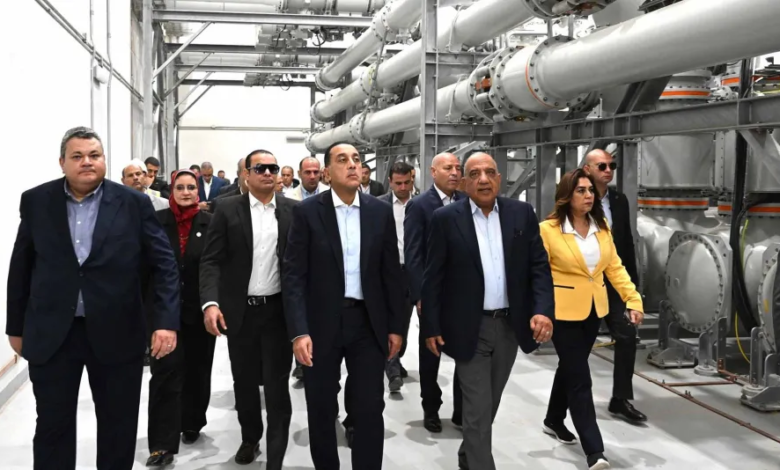
This project is one of the largest electricity interconnection projects in the region, aiming to exchange 3,000 megawatts of electricity between the two countries. The project's investment cost is approximately $1.8 billion, and it utilizes high-voltage direct current (HVDC) technology. The interconnection line extends from the Badr substation in Egypt to the East Medina substation and the Tabuk substation in Saudi Arabia, via 22 kilometers of submarine cables crossing the Gulf of Aqaba. The project's core concept is to capitalize on the difference in peak consumption times between the two countries; peak demand in Saudi Arabia occurs at midday due to air conditioning, while in Egypt it occurs in the evening, allowing for the exchange of surplus electricity and enhancing the stability of both grids.
Strategic and economic importance
The project is not merely about energy exchange; it has profound economic dimensions. It paves the way for Egypt to become a regional energy hub and connects the Gulf grid to North Africa. It also bolsters Saudi Arabia's Vision 2030 plans to diversify its energy sources and export renewable energy. This economic integration reduces the operating costs of power plants and saves billions of dollars for both countries' budgets, thus strengthening the independence of Arab economic decision-making.
Reasons for Israeli concern
Israeli circles are following this progress with concern for several key reasons. First, this project strengthens Egypt's position as an energy gateway to Europe, especially with plans to link the Egyptian grid to Greece and Cyprus, which could impact Israel's ambitions to be the primary supplier of energy and gas to the European continent. Second, Israeli observers believe that any strategic rapprochement and shared infrastructure between the two largest Arab powers (Egypt and Saudi Arabia) contributes to the creation of a strong Arab bloc capable of reducing its dependence on external powers, which could alter the geopolitical dynamics in the region in ways that do not serve Israel's traditional interests, which rely on fragmenting regional interests.
Future prospects
As work continues on laying cables and constructing substations, the pilot operation of the first phase is expected to begin soon. This project is not only a bridge to energy but also a bridge to sustainable development, opening the door for solar and wind energy projects to access global markets through this unified grid, thus placing the Arab region at the heart of the new global energy map.