
Strategic talks between Saudi Arabia and Egypt
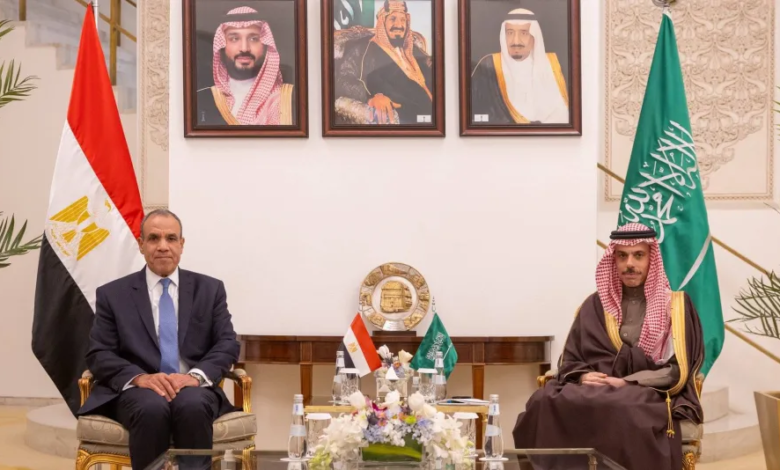
Within the framework of ongoing coordination and consultation between Riyadh and Cairo, the foreign ministers of the Kingdom of Saudi Arabia and the Arab Republic of Egypt held extensive and important talks that addressed ways to strengthen the historic and strategic bilateral relations between the two brotherly countries in various fields. In addition, the discussions focused intensively on joint efforts aimed at de-escalating tensions in the region and preventing further conflicts. These high-level diplomatic talks come at a highly sensitive and critical time, as the Middle East region is witnessing unprecedented security and political challenges that necessitate unifying Arab visions and positions to address the serious repercussions of the current crises.
General context and historical background
Saudi-Egyptian relations are considered the cornerstone and primary safeguard of the Arab regional system. Close cooperation between the two countries extends back decades, characterized by strategic and political coordination in confronting various regional and international crises. Historically, both Riyadh and Cairo have played a pivotal and decisive role in maintaining regional stability and protecting Arab national security, from coordinating during Arab wars and addressing successive Gulf crises to confronting contemporary challenges such as combating terrorism and extremism and rejecting foreign interference in the internal affairs of Arab states. This deep historical legacy makes any joint diplomatic initiative between the two countries a politically significant and influential step on both the regional and international stages.
The importance of the event and its regional impact
These bilateral talks are of paramount importance given the escalating tragic events in the Gaza Strip, the heightened security tensions in the Red Sea region that threaten international navigation, and the ongoing political and humanitarian crises in Sudan, Libya, and Yemen. The de-escalation efforts in the region, spearheaded by the Saudi and Egyptian foreign ministers, aim primarily and directly to contain these crises and prevent the Middle East from sliding into a full-blown regional war that could devastate the lives of its people and undermine development efforts. At the regional level, this high-level coordination contributes to forging a unified Arab and Islamic stance that will exert strong pressure for an immediate and permanent ceasefire, ensure the unimpeded delivery of humanitarian, relief, and medical aid to those affected, and support the path toward peaceful political solutions.
International impact and future prospects
Internationally, major world powers and UN institutions view the Saudi-Egyptian rapprochement as an indispensable element of stability in the equation of global security and peace. The stability of the Middle East region, particularly the security of waterways and navigation in the Red Sea, is closely linked to the stability of the global economy, international trade, and supply chains. Therefore, the outcomes of these talks strengthen the negotiating position of both countries in international forums and support their just demands for the implementation of international resolutions and a just and comprehensive solution to the Palestinian issue based on the two-state solution and the establishment of an independent Palestinian state within the 1967 borders, with East Jerusalem as its capital. In conclusion, these diplomatic meetings affirm that Saudi Arabia and Egypt are committed to fulfilling their responsibilities in protecting national security and achieving peace.