Intensive Saudi-Egyptian coordination to resolve regional crises | Details of the strategic alliance

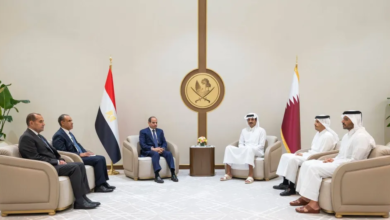
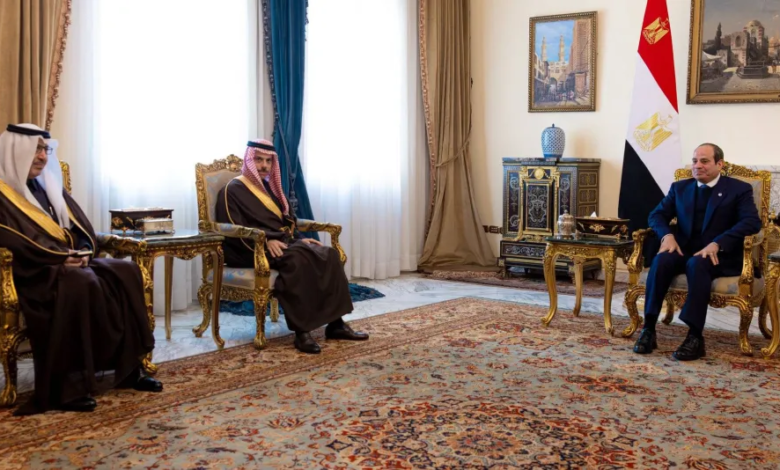
The Arab region is witnessing high-level diplomatic activity, characterized by intensive Saudi-Egyptian coordination aimed at containing the escalating crises plaguing the Middle East. This move comes at a highly critical juncture, as geopolitical tensions rise and security and political issues become intertwined, necessitating a unified vision between the two largest powers in the Arab world: the Kingdom of Saudi Arabia and the Arab Republic of Egypt.
Priority for pressing issues: Gaza and Sudan
The war in the Gaza Strip currently dominates the scene, with Riyadh and Cairo working together to pressure the international community and key players to secure an immediate ceasefire, ensure the flow of humanitarian aid, and revive the peace process based on a two-state solution. The Sudanese situation is equally important, as stability in Sudan represents a strategic depth for both Egyptian and Saudi national security. Both countries support efforts to end the internal fighting in Sudan and return to the political dialogue, given its direct impact on Red Sea security and international maritime navigation.
Historical background: Riyadh-Cairo axis
Historically, Saudi-Egyptian relations have formed the cornerstone of joint Arab action. This alliance has long been described as the "safety valve" of the Arab region, as past decades have demonstrated that alignment between the two capitals positively impacts the stability of the entire region. From supporting liberation movements in the last century to confronting contemporary regional challenges, the partnership between the two countries remains an essential and indispensable pillar in any security or political arrangements concerning the Middle East.
Strategic importance and expected impact
This coordination derives its importance from the political and economic weight of both countries. Regionally, unifying positions helps to thwart foreign interventions that seek to exploit the political vacuum in some Arab states. Internationally, the unified voice of Riyadh and Cairo constitutes a powerful bargaining chip with international organizations and Western capitals, particularly concerning energy security, counterterrorism, and securing vital waterways such as the Suez Canal and the Bab el-Mandeb Strait.
In conclusion, continuing and deepening this coordination is not a luxury option, but an urgent necessity imposed by current challenges, to ensure a more stable and prosperous future for the peoples of the region, and to spare the region the horrors of wars and conflicts that could destroy everything.