
مع اقتراب حلول عيد الأضحى المبارك، يترقب الملايين في المملكة العربية السعودية تفاصيل حالة الطقس لضمان احتفالات آمنة وممتعة. وفي هذا السياق، كشف المركز الوطني للأرصاد عن توقعاته لأحوال الطقس في أول أيام العيد، محذراً من تقلبات جوية قد تشمل سحباً رعدية ممطرة ورياحاً نشطة مثيرة للأتربة والغبار في عدة مناطق.
تُعد المملكة العربية السعودية ذات تضاريس ومناخ متنوع، حيث تتراوح بيئاتها من الصحاري الشاسعة إلى المرتفعات الجبلية في الجنوب الغربي. هذا التنوع الجغرافي يجعلها عرضة لظواهر جوية مختلفة على مدار العام. وفي فترة الصيف، التي يتزامن معها عيد الأضحى هذا العام، غالبًا ما تشهد المناطق الداخلية درجات حرارة مرتفعة وجفافاً، بينما تتأثر المرتفعات الجنوبية الغربية بتيارات مدارية قد تؤدي إلى تشكل السحب الرعدية والأمطار الموسمية، وهي ظاهرة طبيعية تتكرر في هذه المناطق خلال أشهر الصيف.
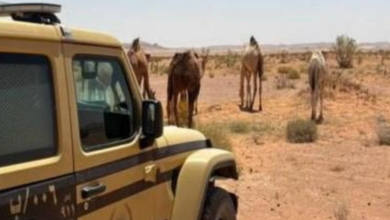
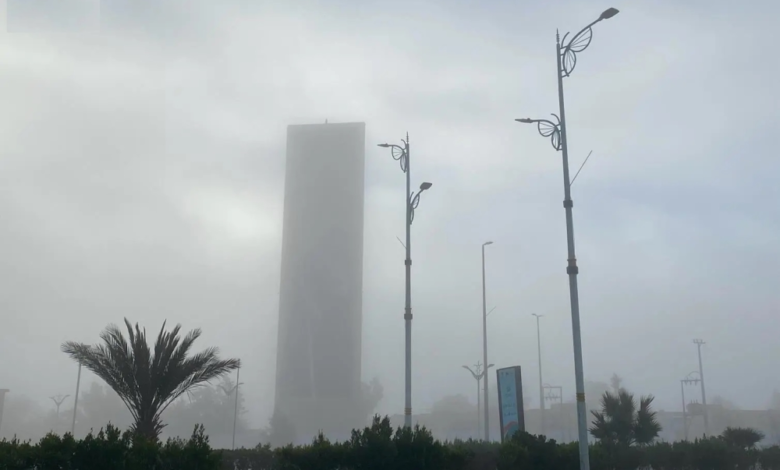
وفقًا لبيان المركز الوطني للأرصاد، من المتوقع أن تستمر الرياح النشطة المثيرة للأتربة والغبار في التأثير على أجزاء واسعة من المملكة. تشمل هذه المناطق مكة المكرمة، المدينة المنورة، حائل، الجوف، الحدود الشمالية، بالإضافة إلى أجزاء من القصيم، الرياض، والمنطقة الشرقية. هذه الرياح قد تؤدي إلى تدني مدى الرؤية الأفقية على الطرقات، مما يستدعي الحذر الشديد من قبل السائقين والمسافرين، خاصة خلال فترات الذروة التي تشهدها المملكة في الأعياد.
وفي تطور آخر، لا يُستبعد تكون سحب رعدية ممطرة مصحوبة برياح نشطة على أجزاء من مرتفعات مناطق جازان، عسير، والباحة. هذه الأمطار، وإن كانت غالبًا ما تكون خفيفة إلى متوسطة، إلا أنها قد تتسبب في جريان الأودية والشعاب بشكل مفاجئ، مما يشكل خطراً على المتنزهين والمخيمين في تلك المناطق الجبلية. يُنصح دائمًا بمتابعة التحذيرات الصادرة عن الجهات الرسمية وتجنب مجاري السيول.
تأتي هذه التوقعات في وقت حرج، حيث يتجمع الملايين من الحجاج في المشاعر المقدسة لأداء مناسك الحج، ويستعد ملايين آخرون للاحتفال بالعيد مع عائلاتهم وأصدقائهم. إن معرفة حالة الطقس مسبقاً تمكن الأفراد والعائلات من التخطيط لأنشطتهم الخارجية والداخلية بشكل أفضل، سواء كانت زيارات عائلية، رحلات ترفيهية، أو حتى مجرد التنقل بين المدن. كما أنها تساعد الجهات المعنية في اتخاذ الإجراءات الوقائية اللازمة لضمان سلامة الجميع.
حالة البحر الأحمر
- الرياح السطحية: شمالية غربية إلى شمالية بسرعة 25-45 كم/ساعة على الجزء الشمالي والأوسط، وشمالية غربية إلى غربية بسرعة 15-32 كم/ساعة على الجزء الجنوبي.
- ارتفاع الموج: من متر ونصف إلى مترين على الجزء الشمالي والأوسط، ومن نصف متر إلى متر ونصف على الجزء الجنوبي.
- حالة البحر: متوسط الموج إلى مائج على الجزء الشمالي والأوسط، وخفيف إلى متوسط الموج على الجزء الجنوبي.
حالة الخليج العربي
- الرياح السطحية: شمالية إلى شمالية غربية على الجزء الشمالي والأوسط، وشمالية غربية إلى جنوبية غربية على الجزء الجنوبي بسرعة 12-35 كم/ساعة.
- ارتفاع الموج: من نصف متر إلى متر ونصف.
- حالة البحر: خفيف إلى متوسط الموج.
يُهيب المركز الوطني للأرصاد بالجميع ضرورة توخي الحيطة والحذر واتباع تعليمات السلامة الصادرة عن الجهات المختصة، ومتابعة آخر المستجدات عبر القنوات الرسمية. فسلامة الأرواح والممتلكات هي الأولوية القصوى خلال هذه الفترة الاحتفالية الهامة.