Applications for the reduced electricity tariff for establishments in Saudi Arabia will begin next April

The Saudi Electricity Regulatory Authority has launched a comprehensive proposal for tariff revisions to the high-consumption tariff system through a survey platform. This initiative aims to enhance energy efficiency and address operational challenges facing vital sectors. The move is designed to boost the competitiveness of the industrial, commercial, and agricultural sectors, while ensuring transparent procedures and directing support to those who truly need it.
Context of the transformation in the Saudi energy sector
These amendments come within the framework of the Kingdom's Vision 2030, which aims to restructure the energy sector and improve energy efficiency. Historically, the Kingdom has sought to gradually adjust energy prices in recent years to reduce waste and enhance financial sustainability, while simultaneously providing parallel programs to support productive sectors and ensure their continued growth. The "High-Consumption Tariff" program is one of the most important regulatory tools that balances increasing efficiency with reducing operational burdens on factories and large projects that rely heavily on electricity for their production processes.
Details of the stages and application process
The draft project outlines three annual application periods, with the first period running from April to October. This timeframe aims to streamline procedures and ensure a thorough assessment of applicants' eligibility. The authority has established a strict eligibility period, with new facilities connected to the grid before the end of 2023 having seven years remaining on their connection date. This incentivizes facilities to expedite their operations and make the most of the allotted time.
Precise technical and financial requirements
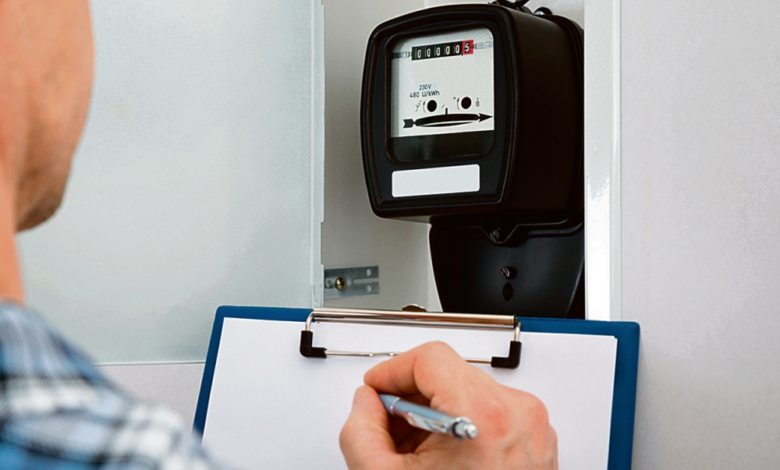
The amendments clarified the necessity of installing separate meters for eligible activities to ensure accurate segregation in calculating consumption amounts and prevent any interference that could affect billing accuracy. The regulations also emphasized the requirement to maintain an annual electricity load factor of at least 80%, stressing that a factor below 76% will immediately disqualify the consumer. To further enhance transparency, the requirements included obligating beneficiaries to submit audited financial statements detailing the ratio of electricity costs to operating expenses, with strict penalties, including retroactive bill recalculation, for submitting misleading data.
Expected economic impact
This regulation is expected to have a significant positive impact locally, contributing to reduced operating costs for factories and large companies that meet efficiency standards, thus enhancing the competitiveness of Saudi products in regional and international markets. This approach also supports attracting foreign investment seeking a stable and transparent operating environment with clear energy costs, which benefits the national economy and diversifies non-oil revenue streams.