
In a move aimed at regulating the energy sector and improving the efficiency of services provided to consumers, the Saudi Ministry of Energy has officially adopted a guide to the requirements for conducting operations and activities subject to the Petroleum and Petrochemical Products Law, as well as the Dry Gas and Liquefied Petroleum Gas Distribution System for residential and commercial purposes. This decision comes within the framework of the Kingdom's ongoing efforts to develop the energy sector's infrastructure and ensure the sustainability of supplies according to the highest international standards.
Context of development and sector organization
These new requirements are part of a comprehensive strategy aligned with the goals of the Kingdom's Vision 2030, which focuses on governing the energy sector, combating commercial concealment, and ensuring the quality of petroleum products reaching the end consumer. Through these regulations, the Ministry aims to create a fair competitive environment and raise the level of public safety at fuel stations and in transportation, thereby enhancing reliability in this vital sector, which is the backbone of the national economy.
Technical and technological requirements for fuel stations
The new guidelines include a set of strict regulations for entities licensed to sell petroleum products. Among the most prominent of these requirements is the obligation for stations to maintain a stock level of at least 20% of their total storage capacity for each petroleum product, to ensure uninterrupted service. The guidelines also emphasize the necessity of installing an Automatic Tank Gauging (ATG) system, which allows for real-time and remote monitoring of stock levels, thus facilitating operational oversight.
Regarding the consumer experience, the regulations mandate the provision of electronic payment methods and the operation of electronic price displays at station entrances to ensure transparency. The Ministry also requires operators to apply the approved brand identity to pumps and facilities and to provide a unified, toll-free, 24/7 hotline for receiving complaints and feedback, reflecting the Ministry's commitment to consumer rights.
Safety, transportation, and storage standards
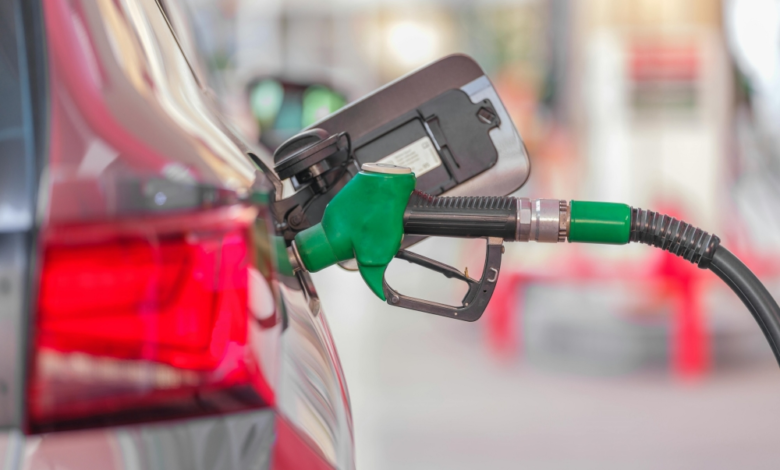
The guide places great emphasis on safety, imposing strict procedures during refueling operations. These include halting all activities under the fuel canopy while underground tanks are being filled, and using safety barriers to regulate vehicle traffic. For mobile stations, the guide requires prior site approvals and prohibits refueling on public roads.
Regarding transportation, the guide outlines regulations for transporting petroleum products by land and sea, including age requirements for ships and trucks, the necessity of obtaining licenses from the Public Transport Authority, and the submission of periodic technical inspection certificates. These procedures aim to reduce environmental incidents and ensure the safe and controlled transport of hazardous materials.
Expected economic and regulatory impact
These requirements are expected to bring about a qualitative shift in the Kingdom's fuel retail and petroleum services sector. By enforcing technical standards and monitoring systems, relevant authorities will be able to regulate the market and prevent irregular practices such as fuel smuggling or calibration tampering. This clear regulatory environment will also encourage quality investments in the service station and logistics sector, thereby improving quality of life and achieving the desired energy efficiency.