The Saudi Experience: From a Historic Moment to the 2030 Governance Project

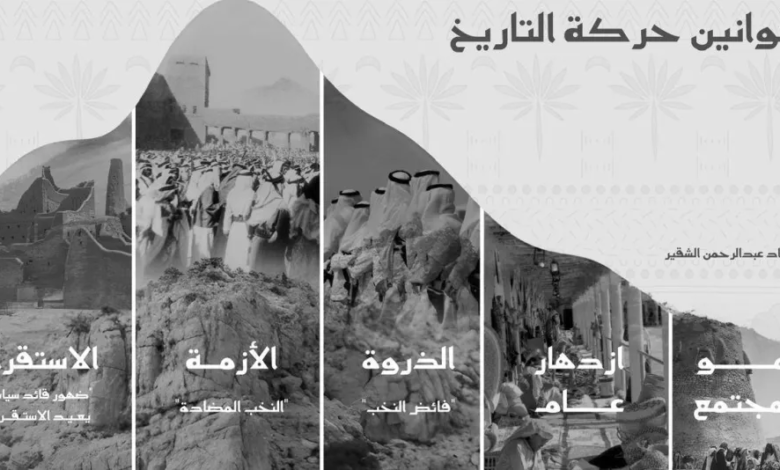
Saudi experience represents a unique model in national transformation studies, as it was not merely a series of superficial changes or fleeting economic reforms, but rather a comprehensive reshaping of the concept of the state and its governance. What Saudi Arabia is witnessing today transcends being a passing "historical moment," becoming a fully integrated governance project based on meticulous strategic planning, known globally as "Vision 2030."
General context and historical background
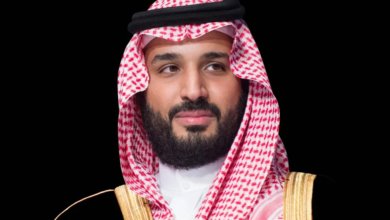
To understand the depth of the current Saudi experience, it is essential to consider the historical context that preceded the launch of the Vision in 2016. For decades, the Saudi economy relied almost entirely on oil revenues, making the state budget hostage to the fluctuations of global energy markets. The need to transition from a rentier state to one of production and economic diversification was urgent. The historic moment arrived with the ascension of the Custodian of the Two Holy Mosques, King Salman bin Abdulaziz, to the throne, and the rise of Crown Prince Mohammed bin Salman, who spearheaded this radical transformation, turning theoretical aspirations into tangible realities and an institutionalized governance project.
From the historical moment to the institutionalization of governance
Transforming a historical moment into a governing project means translating ideas into institutions and legislation. This was evident in the restructuring of the Public Investment Fund to become a global economic engine, the modernization of the justice system, and the launch of national strategies across various sectors, from industry to tourism. Saudi decision-making is no longer merely reactive; it has become proactive, shaping events, as clearly demonstrated by mega-projects like NEOM and The Line, which are redefining the concept of urban living globally.
Social and cultural dimensions
The project was not limited to the economic and political spheres; it also encompassed an unprecedented social transformation. Women's empowerment, cultural openness, and enhancing the quality of life were all integral parts of the new governance project. These changes were not arbitrary, but rather aimed at strengthening the cohesion of the social fabric and preparing it to keep pace with global changes, thus making Saudi society a key partner in the development process.
Regional and international impact
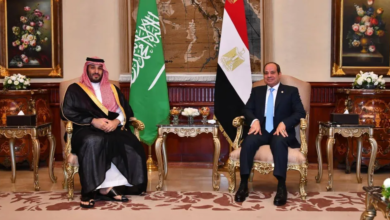
Regionally and internationally, the Saudi experience has established itself as a force for balance and stability. Politically, Riyadh has solidified its position as a center of Arab and Islamic decision-making, and economically as an active and influential member of the G20. The success of this Saudi model of rapid and disciplined transformation has become a model for many countries seeking to benefit from this experience in diversifying their sources of income and modernizing their administrative systems.
In conclusion, the Saudi experience proves that historical moments alone do not create the future, but rather require political will and a governance project that transforms opportunities into lasting gains, which is what the Kingdom has succeeded in achieving with distinction during the past few years.