
Iran rejects ceasefire: Details of its 10-point response
In a significant development on the international stage, Iranian state media reported that Tehran has categorically rejected a ceasefire proposal amid the ongoing military escalation with the United States and Israel, which has lasted for over a month. The official Iranian news agency, IRNA, explained that Tehran conveyed its official response to the American proposal through diplomatic channels in Pakistan. This response was detailed in ten key points, with Iran not only rejecting a temporary truce but also emphasizing the necessity of reaching a permanent and comprehensive end to the conflict. This reflects a hardened stance toward initiatives that, from Iran's perspective, fail to address the root causes of the tensions.
Historical context and regional tensions
These developments unfold within a complex historical context of geopolitical tensions in the Middle East. While relations between Iran, on the one hand, and the United States and Israel, on the other, have long been characterized by indirect conflicts and proxy wars, the recent escalation, now in its second month, signals a new phase of direct confrontation. Pakistan, by virtue of its geographical location and diplomatic ties, plays a role in conveying messages in the absence of direct diplomatic relations between Washington and Tehran, as regional and international powers strive to prevent the region from sliding into a full-blown regional war that could devastate infrastructure and destabilize the world.
Mysterious explosions hit South Pars oil field
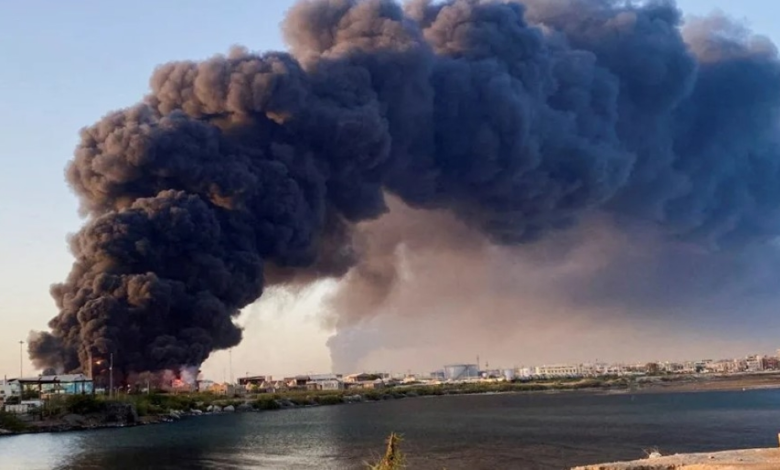
Amidst the political developments, the Iranian news agency Fars reported a series of powerful explosions at Iran's largest gas complex. The agency confirmed that the explosions targeted the petrochemical complex of the South Pars gas field, located in Asaluyeh, Bushehr province, in southern Iran. While Iranian authorities have not provided further details regarding the cause of the explosions or the extent of the material and human losses, the timing of the incident raises numerous questions about the possibility of cyberattacks or deliberate sabotage, given the country's heightened state of alert.
The strategic importance of the Pars field and the impact of the event
The South Pars field (shared by Iran with Qatar, where it is known as the North Field) is the world's largest natural gas field and a vital artery for the Iranian economy and energy sector. Any attack on or disruption to this strategic complex would not only affect Iran's domestic gas and electricity supplies but would also have repercussions for global energy markets. Economically, Tehran relies heavily on petrochemical exports to generate hard currency under international sanctions.
Expected repercussions locally and internationally
Domestically, these explosions could lead to energy crises for Iranian citizens and factories, exacerbating internal economic pressures. Regionally and internationally, Iran's rejection of the ceasefire proposal, coupled with the targeting of its critical infrastructure, portends a dangerous escalation that could prompt the conflicting parties to intensify their military strikes. This complex situation presents the international community with a significant challenge in containing the crisis, as the continuation of the conflict threatens the security of navigation in the Arabian Gulf and the Strait of Hormuz, potentially leading to sharp fluctuations in global oil and gas prices and negatively impacting the entire global economy.