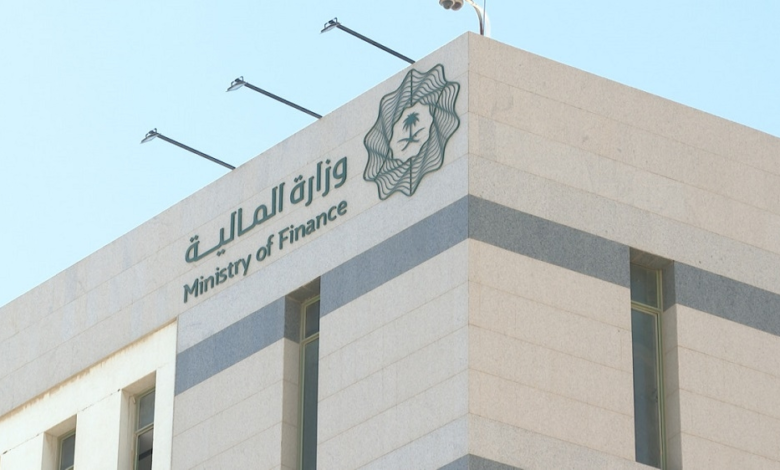

In a strategic move aimed at strengthening public financial governance and improving the efficiency of government spending, the Saudi Ministry of Finance has released a draft of the executive regulations for the new Financial Control Law. This step aligns with the objectives of the Kingdom's Vision 2030, which seeks to develop the financial sector and enhance transparency and accountability across all government entities.
The context of the shift towards self-regulation and digitalization
The draft included a fundamental shift in oversight mechanisms, allowing government entities to transition to a "self-monitoring" approach, either fully or partially. This transition requires the entity to submit a formal request for a readiness assessment using approved templates. The Ministry will then review the results and respond within 60 working days. This measure is part of the historical evolution of the Kingdom's financial systems, which are gradually moving from a highly centralized approach to empowering government entities while simultaneously strengthening accountability and subsequent oversight mechanisms.
Special rewards for protecting public funds
In a regulatory precedent aimed at enhancing integrity, the regulations grant the Minister of Finance the authority to award "incentive bonuses" to financial controllers. These bonuses are disbursed in specific cases, most notably when the controller's efforts directly lead to protecting public funds from waste, recovering funds for the state treasury, or preventing disbursements that violate regulations. Financial controllers must be Saudi citizens, possess impartiality and integrity, and pass professional examinations and personal interviews to ensure high competence.
Digital monitoring and periodic reporting
The regulations mandate that government entities linked to government resource systems be subject to what is known as "digital technical oversight." This approach aims to automate the review of financial controls and the continuous analysis of data, thereby reducing human error and expediting financial processes. The draft also expands the scope of oversight to include entities receiving direct government support, requiring them to submit periodic reports detailing expenditures.
Expected impact and importance of the new regulation
This regulation is expected to bring about a qualitative shift in the management of the state's financial resources. Domestically, it will contribute to reducing financial waste and directing resources towards priority development projects. This system also enhances the confidence of investors and international organizations in the strength of the Saudi economy and the transparency of its financial procedures. The regulation concludes by emphasizing the role of the Minister of Finance in submitting a detailed annual report to the Prime Minister, including a comprehensive summary of oversight activities, challenges, and recommendations for continuous improvement.