Saudi Foreign Minister discusses regional de-escalation with Iran, Qatar, and Oman

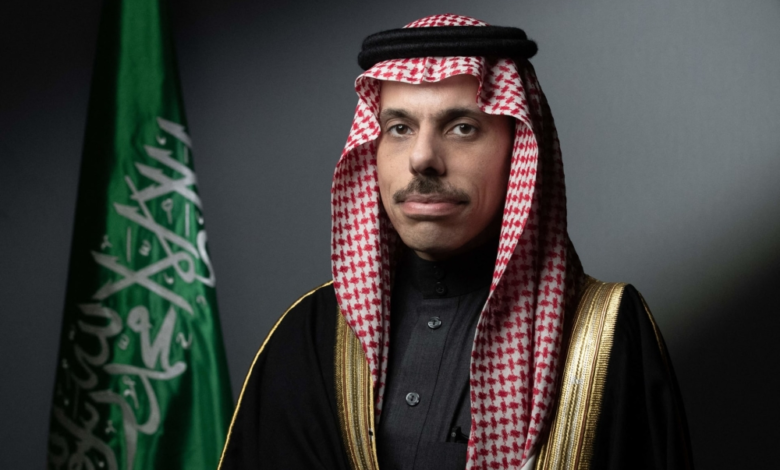
As part of the intensive diplomatic efforts led by the Kingdom of Saudi Arabia to promote stability in the Middle East, His Highness Prince Faisal bin Farhan bin Abdullah, Minister of Foreign Affairs, held a series of important telephone conversations with his counterparts in the Islamic Republic of Iran, the State of Qatar, and the Sultanate of Oman. These moves come at a sensitive time, as the region faces rapidly escalating geopolitical challenges that necessitate high-level coordination among key regional players.
Saudi-Iranian talks to enhance regional security
At the forefront of these contacts, Prince Faisal bin Farhan discussed with His Excellency Abbas Araqchi, Foreign Minister of the Islamic Republic of Iran, the latest developments in the region. These talks are of particular importance given the ongoing process of resuming diplomatic relations between the two countries, with both sides emphasizing the need for continued consultation and coordination to prevent the escalation of tensions. The two ministers discussed ways to support regional security and stability, stressing the importance of prioritizing dialogue and diplomacy to spare the peoples of the region the ravages of conflict.
Joint Gulf coordination with Qatar and Oman
At the Gulf level, the Saudi Foreign Minister held telephone conversations with his Qatari counterpart, Sheikh Mohammed bin Abdulrahman Al Thani, and his Omani counterpart, Sayyid Badr Al Busaidi. The calls addressed the strong fraternal relations between the two countries and ways to enhance joint Gulf action in confronting regional challenges. During these calls, emphasis was placed on Gulf unity and the importance of integrating the diplomatic efforts of the Gulf Cooperation Council (GCC) states in addressing the pressing issues facing the region, as well as the joint pursuit of sustainable solutions to existing crises.
Regional context and Saudi Arabia's pivotal role
These contacts come within the context of Saudi Arabia's leading role in de-escalating tensions in the Middle East. For some time now, Saudi diplomacy has been operating according to a strategic vision aimed at resolving conflicts and building bridges of economic and political cooperation instead of perpetuating conflict. Observers note that Riyadh's engagement with Tehran, alongside its ongoing coordination with Gulf capitals, reflects the Kingdom's commitment to forging a unified regional stance that rejects violence and calls for adherence to international law.
The importance of these moves is underscored by the potential risks of any uncontrolled escalation in the region, making Saudi Arabia's role a "safety valve" that seeks restraint and steers the course toward development and stability instead of war and destruction. These contacts reaffirm the Kingdom's unwavering commitment to its responsibilities toward Arab and Islamic national security, and its tireless efforts to mobilize international and regional efforts in service of international peace and security.