
في إطار الحراك الدبلوماسي المكثف للمملكة العربية السعودية على الساحة الدولية، واصل صاحب السمو الأمير فيصل بن فرحان بن عبدالله، وزير الخارجية، لقاءاته الاستراتيجية على هامش أعمال مؤتمر ميونيخ للأمن 2026م، حيث عقد سلسلة من الاجتماعات الهامة التي تناولت أبرز الملفات الإقليمية الساخنة، وفي مقدمتها الوضع في قطاع غزة ومستقبل العلاقات السعودية السورية.
مباحثات السلام في غزة
استهل سمو وزير الخارجية نشاطه بلقاء الممثل السامي لمجلس السلام في قطاع غزة، السيد نيكولاي ملادينوف. وقد تركز اللقاء على بحث آخر المستجدات الميدانية والإنسانية في القطاع، واستعراض الجهود الدولية المبذولة لتحقيق استقرار مستدام. ويأتي هذا اللقاء تأكيداً للدور المحوري الذي تلعبه المملكة في دعم القضية الفلسطينية والسعي نحو إيجاد حلول عادلة وشاملة تضمن حقوق الشعب الفلسطيني، وتدفع عجلة السلام في المنطقة، خاصة في ظل التحديات الأمنية التي ناقشها المؤتمر.
حضر هذا اللقاء مستشار سمو وزير الخارجية محمد اليحيى، والوزير مفوض بوزارة الخارجية الدكتورة منال رضوان، مما يعكس الاهتمام عالي المستوى بالتفاصيل الدقيقة لملف السلام.
تطور نوعي في العلاقات السعودية السورية
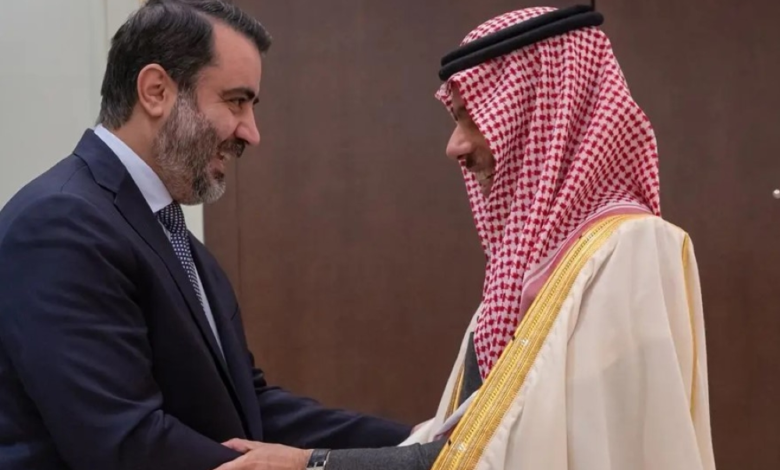
وفي سياق متصل، عقد الأمير فيصل بن فرحان اجتماعاً هاماً مع وزير الخارجية والمغتربين بالجمهورية العربية السورية، أسعد حسن الشيباني، والوفد المرافق له المشارك في المؤتمر. وقد اتسم اللقاء بالإيجابية، حيث تم استعراض العلاقات الأخوية التاريخية التي تربط البلدين والشعبين الشقيقين.
وقد رحب الجانبان بالخطوات المتقدمة التي تم إحرازها، وتحديداً "الاتفاق الشامل" في سوريا، والذي يعد نقطة تحول استراتيجية في مسار الأزمة السورية. وتضمن هذا الاتفاق بنداً جوهرياً يتعلق بدمج مؤسسات الإدارة الذاتية ضمن مؤسسات الدولة السورية، وهي خطوة تدعمها المملكة بقوة نظراً لأهميتها في الحفاظ على وحدة سوريا وسيادتها وسلامة أراضيها.
دلالات التوقيت والأهمية الاستراتيجية
يكتسب هذا اللقاء أهمية خاصة كونه يأتي ضمن منصة "مؤتمر ميونيخ للأمن"، المنبر الأبرز عالمياً لمناقشة السياسات الأمنية الدولية. ويؤكد دعم المملكة للجهود التي تبذلها الحكومة السورية لبسط سيادتها وإنهاء حالة الانقسام المؤسسي، مما ينعكس إيجاباً على الأمن القومي العربي والإقليمي. إن دمج المؤسسات يعزز من قدرة الدولة السورية على التعافي وإعادة الإعمار، ويغلق الباب أمام التدخلات الخارجية التي تستغل الفراغ الأمني.
كما تطرق الجانبان إلى مستجدات الأوضاع في منطقة الشرق الأوسط، والجهود المشتركة المبذولة لتحقيق الأمن والاستقرار والتنمية، بما يخدم مصالح شعوب المنطقة. حضر اللقاء من الجانب السعودي سمو مدير عام الإدارة العامة لتخطيط السياسات الأمير الدكتور عبدالله بن خالد بن سعود الكبير، مما يؤكد على البعد الاستراتيجي لهذه المباحثات في رسم ملامح السياسة الخارجية المستقبلية.