The Mayor of the Holy City of Mecca confirms the readiness of the services system for the facilities of Mecca and the holy sites

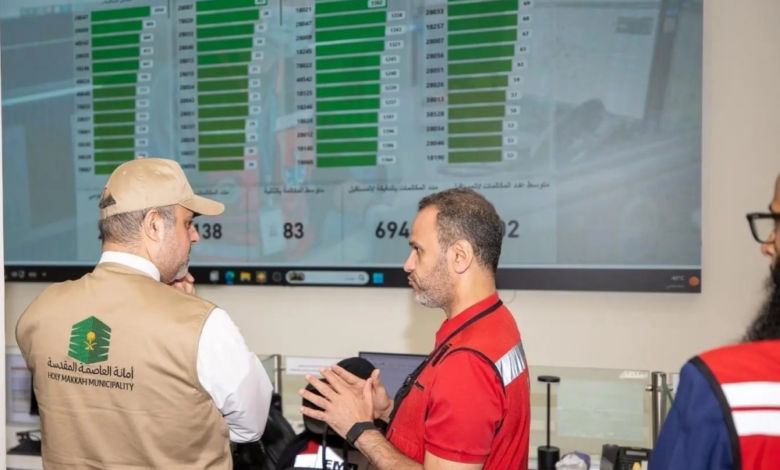
He began his tour with a visit to the headquarters of the Saudi Red Crescent Authority in Holy CapitalHe reviewed the workflow at the Command and Control Center and the Medical Repatriation Management, and the approved operational plans for dealing with emergency reports.
In addition to the readiness of the ambulance teams and the technologies used in following up on reports and directing field teams.
Command and control system
Al-Dawood received a detailed briefing on the command and control system, medical evacuation procedures, deployment centers within Mecca, and the mechanisms for integration among relevant agencies to ensure the provision of highly efficient ambulance services.
He also conducted a field visit to catering kitchens in Mecca, where he reviewed their operational readiness and compliance with health and safety regulations to guarantee the provision of safe and wholesome food for pilgrims. He further assessed the readiness of municipal facilities and field centers to receive pilgrims.
He emphasized the importance of enhancing the efficiency of oversight and improving the quality of food services during the Hajj season, affirming that all municipal sectors are operating at a high level of efficiency to ensure the utmost comfort and safety for pilgrims throughout their stay.
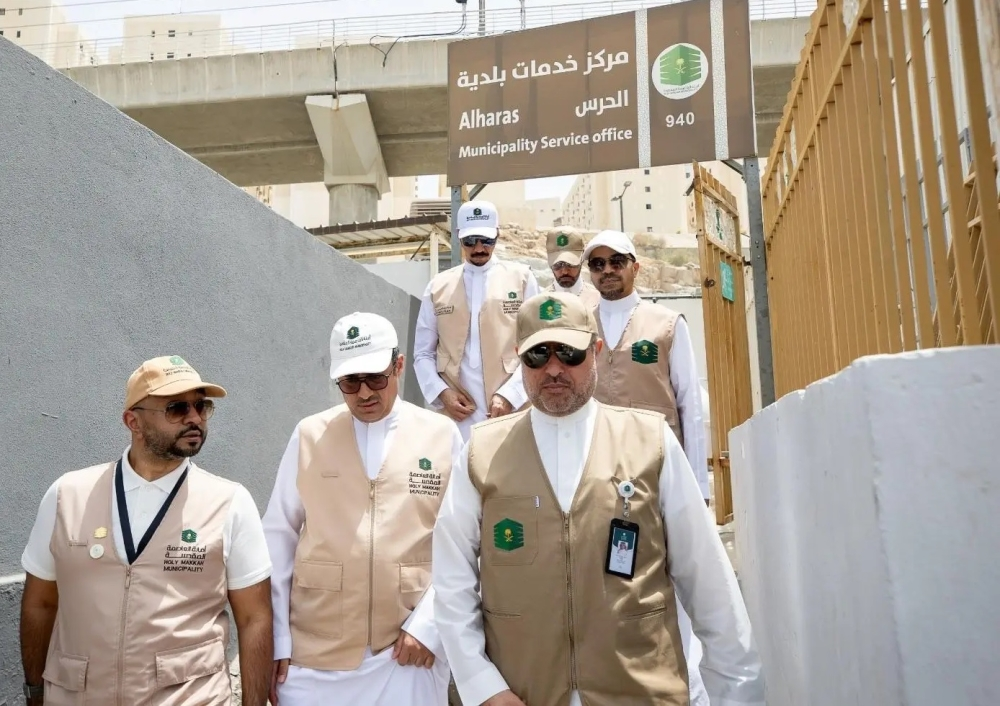
He pointed to the importance of continuous coordination between the various departments of the Secretariat, to ensure the smooth flow of services and the smooth implementation of operational plans.
Emergency response plans
The Mayor of Makkah, Musaed bin Abdulaziz Al-Dawood, explained that the municipality has prepared comprehensive plans to address emergencies and crises during the Hajj season. He commended the cooperation among various relevant government agencies and the tireless efforts of field staff working around the clock to serve the pilgrims.
He concluded by emphasizing that serving the pilgrims is both an honor and a responsibility, and that the Makkah Municipality operates within an integrated system aimed at providing the best and highest quality municipal services, ensuring that pilgrims can perform their rituals with ease and peace of mind.