
تنسيق دبلوماسي مستمر بين الرياض والكويت
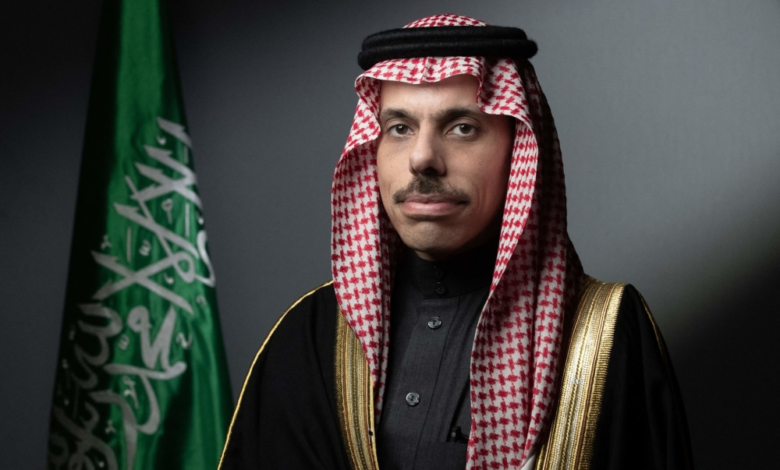
في إطار الجهود الدبلوماسية المستمرة لتعزيز الاستقرار في منطقة الشرق الأوسط، تلقى صاحب السمو الأمير فيصل بن فرحان بن عبدالله، وزير الخارجية السعودي، اتصالاً هاتفياً اليوم من الشيخ جراح جابر الأحمد الصباح، المسؤول البارز في وزارة الخارجية بدولة الكويت الشقيقة. وتناول الاتصال الهاتفي بحث آخر مستجدات الأوضاع الإقليمية والدولية، بالإضافة إلى تبادل وجهات النظر حيال العديد من القضايا ذات الاهتمام المشترك، مما يعكس عمق التنسيق المستمر والتشاور الدائم بين البلدين الشقيقين.
السياق التاريخي للعلاقات السعودية الكويتيّة
تستند العلاقات بين المملكة العربية السعودية ودولة الكويت إلى جذور تاريخية عميقة وروابط أخوية وثيقة تتجاوز المفاهيم الدبلوماسية التقليدية. فقد شكلت هذه العلاقات على مر العقود نموذجاً يحتذى به في التضامن والتكامل بين دول مجلس التعاون لدول الخليج العربية. وتعمل القيادتان بشكل دائم على تنسيق المواقف السياسية وتوحيد الرؤى تجاه مختلف التحديات التي تواجه المنطقة. ويأتي هذا الاتصال في سياق تفعيل آليات التشاور المستمر، والتي تعززت بشكل كبير من خلال مجلس التنسيق السعودي الكويتي، الذي يهدف إلى وضع رؤية مشتركة تضمن أمن واستقرار البلدين والمنطقة بأسرها وتدفع بعجلة التنمية المشتركة.
أهمية المباحثات في ظل التطورات الإقليمية
تكتسب هذه المباحثات أهمية بالغة في ظل الظروف الدقيقة التي تمر بها منطقة الشرق الأوسط. فالأحداث المتسارعة تتطلب تشاوراً مستمراً بين العواصم الخليجية الفاعلة. وتلعب الرياض والكويت دوراً محورياً في دعم جهود التهدئة وخفض التصعيد في عدة ملفات إقليمية ساخنة، وعلى رأسها التطورات في الأراضي الفلسطينية، بالإضافة إلى الجهود المبذولة لإحلال السلام الشامل والعادل في اليمن، وضمان أمن الملاحة البحرية. إن توحيد المواقف الخليجية يمثل حجر الزاوية في مواجهة التحديات الأمنية والسياسية، ويساهم في صياغة موقف عربي موحد قادر على التعامل مع المتغيرات الجيوسياسية.
التأثير المتوقع على الصعيدين الإقليمي والدولي
على الصعيد المحلي والإقليمي، ينعكس هذا التنسيق الدبلوماسي العالي إيجاباً على تعزيز اللحمة الخليجية، ويؤكد لشعوب المنطقة أن القيادات تعمل جنباً إلى جنب لضمان الأمن والرخاء ومواجهة أي أزمات طارئة. أما على الصعيد الدولي، فإن التوافق السعودي الكويتي يبعث برسائل طمأنة واضحة للمجتمع الدولي، مفادها أن دول الخليج العربي تمثل ركيزة أساسية للاستقرار السياسي والاقتصادي العالمي، خاصة فيما يتعلق بأمن الطاقة واستمرارية سلاسل الإمداد. إن استمرار هذه اللقاءات والاتصالات يؤكد التزام البلدين بالعمل المشترك لترسيخ دعائم السلم والأمن الدوليين، ومواصلة دورهما الريادي في حل النزاعات بالطرق السلمية والدبلوماسية.