Saudi Foreign Minister's statements on the contradictions in Iranian policy

Saudi Foreign Minister's statements on Iranian policy
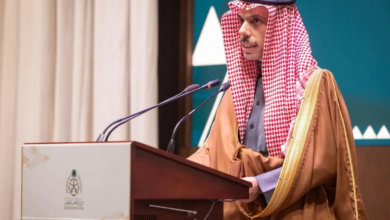
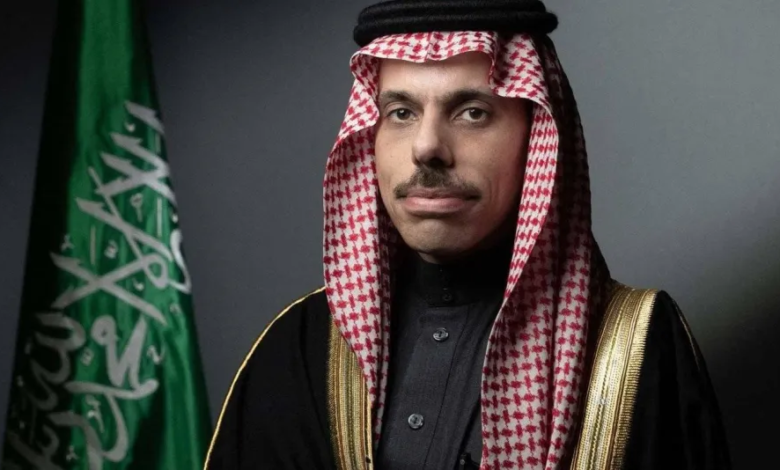
Amid escalating geopolitical tensions in the Middle East, the Saudi Foreign Minister's remarks highlighted the apparent contradictions in Iranian foreign policy. He pointed out that while Tehran consistently calls for diplomatic solutions to current crises, it simultaneously continues to support policies and actions that attack countries uninvolved in the ongoing conflicts, thus complicating the regional landscape and significantly exacerbating tensions.
General context and historical background of the event
These statements come at a sensitive time, as the region grapples with multiple conflicts, from the war in the Gaza Strip to ongoing tensions in the Red Sea and along the Lebanese border. Historically, relations between Saudi Arabia and Iran have been marked by periods of tension and estrangement, before a landmark agreement brokered by China in March 2013 to resume diplomatic ties. Since then, the Kingdom has adhered to the principle of good neighborliness and diplomacy as the means to resolve disputes. However, Iran's actions on the ground, through its support of armed proxies in the region, raise serious questions about Tehran's genuine commitment to de-escalation, particularly when threats extend to international shipping and countries striving to maintain their internal stability.
The importance of the event and its regional and international impact
The Saudi Foreign Minister's statements carry significant strategic weight on several levels. Regionally, they represent a clear and firm message that the Kingdom and the Gulf Cooperation Council (GCC) states will not tolerate any threats to their national security or the security of neighboring countries that have no stake in the ongoing conflicts. Iran's double standards—promoting diplomacy while continuing attacks through proxies—undermine peace efforts and hinder comprehensive regional development.
On the international level, these statements draw the attention of the international community to its responsibility for maintaining international peace and security. Attacks by Iranian-backed groups, such as targeting commercial vessels in the Red Sea, not only affect the countries of the region, but also have serious repercussions for the global economy, supply chains, and international trade. Through this stance, the Kingdom emphasizes the need for concerted international efforts to pressure Tehran to cease its negative interference in the affairs of Arab states.
Saudi Arabia's vision for stability in the Middle East
In conclusion, these statements reflect the Kingdom of Saudi Arabia’s unwavering commitment to achieving security and stability in the Middle East. The Kingdom, which is leading a massive development drive under Vision 2030, fully understands that economic prosperity cannot be achieved in a turbulent environment. Therefore, Saudi Arabia consistently calls for reason and dialogue, and urges Iran to translate its diplomatic rhetoric into concrete actions on the ground, and to cease exporting crises and attacking countries striving for peace and sustainable development.