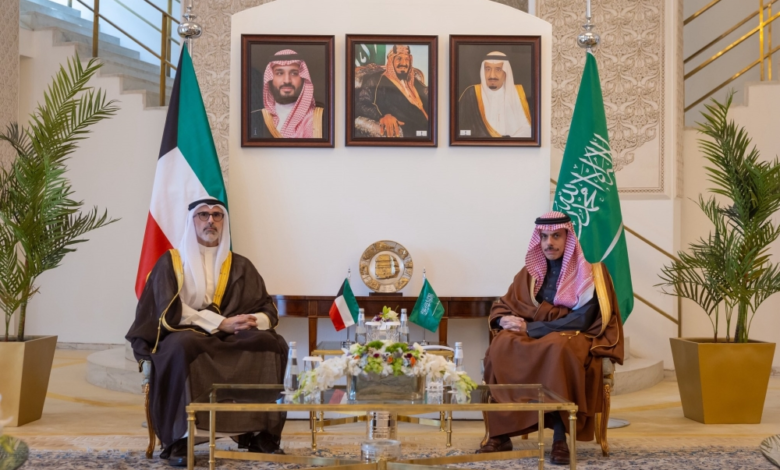

استقبل صاحب السمو الأمير فيصل بن فرحان بن عبدالله، وزير الخارجية السعودي، في مقر الوزارة بالعاصمة الرياض، يوم الأربعاء، معالي الشيخ جراح جابر الأحمد الصباح من دولة الكويت الشقيقة. وجرى خلال هذا اللقاء الدبلوماسي الهام استعراض العلاقات الأخوية التاريخية التي تربط بين البلدين الشقيقين، بالإضافة إلى بحث سبل تعزيزها وتطويرها في مختلف المجالات. كما تطرق الجانبان إلى مناقشة مستفيضة للأوضاع الراهنة في المنطقة والقضايا الإقليمية والدولية ذات الاهتمام المشترك.
الجذور التاريخية للعلاقات السعودية الكويتية
تستند العلاقات الثنائية بين المملكة العربية السعودية ودولة الكويت إلى أسس تاريخية راسخة وروابط دم وجوار ومصير مشترك. وتعتبر هذه العلاقات نموذجاً استثنائياً يحتذى به في العلاقات الدولية، حيث شهدت على مر العقود تطوراً ملحوظاً وتنسيقاً عالي المستوى في كافة الأصعدة السياسية والاقتصادية والاجتماعية. ويأتي هذا اللقاء امتداداً للنهج المستمر بين قيادتي البلدين للتشاور والتنسيق حيال القضايا التي تهم الشعبين الشقيقين. وقد أسهم تأسيس مجلس التنسيق السعودي الكويتي في تأطير هذا التعاون ودفعه نحو آفاق أرحب، بما يتوافق مع رؤية المملكة 2030 ورؤية الكويت 2035، واللتين تهدفان إلى تحقيق التنمية المستدامة وتنويع مصادر الدخل.
أهمية توحيد الرؤى تجاه القضايا الإقليمية
في ظل التحديات الجيوسياسية المتسارعة التي تشهدها منطقة الشرق الأوسط، تبرز أهمية اللقاءات الدبلوماسية المستمرة بين مسؤولي دول مجلس التعاون الخليجي. ويشكل التنسيق السعودي الكويتي حجر الزاوية في الحفاظ على أمن واستقرار المنطقة. وقد ركز اللقاء على توحيد الرؤى والمواقف تجاه التطورات الإقليمية الراهنة، بما في ذلك الجهود المبذولة لتعزيز السلم والأمن الدوليين. إن التوافق في الرؤى بين الرياض والكويت يعزز من قوة المنظومة الخليجية ويجعلها أكثر قدرة على مواجهة التحديات الأمنية والسياسية، ويدعم الجهود الرامية إلى إيجاد حلول سلمية ومستدامة للأزمات التي تعصف ببعض دول المنطقة، مما ينعكس إيجاباً على الاستقرار الإقليمي ككل.
التأثير الدولي والأبعاد الاستراتيجية
لا يقتصر تأثير التنسيق الدبلوماسي بين السعودية والكويت على النطاقين المحلي والإقليمي فحسب، بل يمتد ليشمل الساحة الدولية. فكلا البلدين يمتلكان ثقلاً استراتيجياً واقتصادياً كبيراً، خاصة وأنهما من أبرز الدول الفاعلة في منظمة الدول المصدرة للنفط (أوبك) وتحالف (أوبك بلس). إن التوافق السياسي بينهما يسهم بشكل مباشر في استقرار أسواق الطاقة العالمية، وهو ما ينعكس على نمو الاقتصاد العالمي. علاوة على ذلك، تلعب الدبلوماسية السعودية والكويتية دوراً محورياً في دعم المبادرات الإنسانية والتنموية على مستوى العالم، وتنسيق المواقف في المحافل الدولية مثل الأمم المتحدة وجامعة الدول العربية ومنظمة التعاون الإسلامي، مما يعزز من مكانة البلدين كقوتين داعمتين للسلام والاعتدال في العالم.