
The importance of the Riyadh meeting in light of current challenges
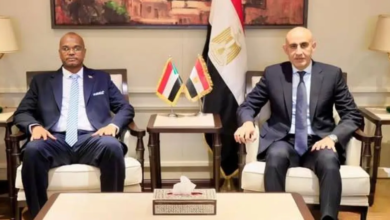
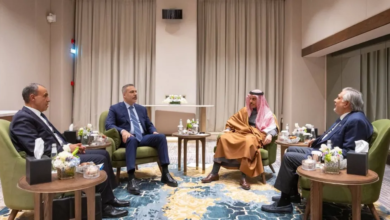
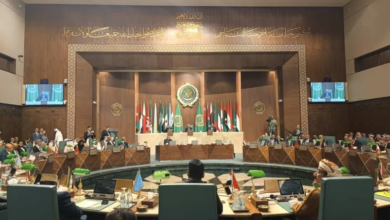
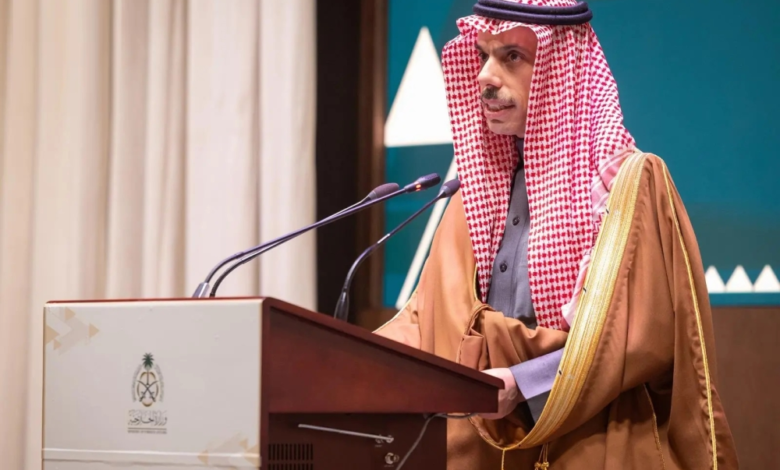
His Highness Prince Faisal bin Farhan bin Abdullah, the Saudi Minister of Foreign Affairs, affirmed that the consultative meeting hosted by Riyadh, which included the foreign ministers of a number of Arab and Islamic countries, represents a strategic step to enhance the highest levels of consultation and joint coordination. This intensive diplomatic effort aims to restore the region's security and stability, safeguard the interests of its nations, and ensure the well-being of its peoples amidst the complex geopolitical challenges facing the Middle East.
Historical context and Saudi role in regional stability
Historically, Saudi Arabia has played a pivotal role in maintaining regional balance and stability. These diplomatic efforts are an extension of the Kingdom's longstanding policy of supporting peaceful solutions and rejecting armed conflict. Amidst escalating tensions, the Riyadh Summit is particularly important as a platform for unifying Arab and Islamic perspectives, especially given that regional stability is a cornerstone for ensuring global economic growth and securing international trade routes connecting East and West.
Risks of continued escalation policies and regional interventions
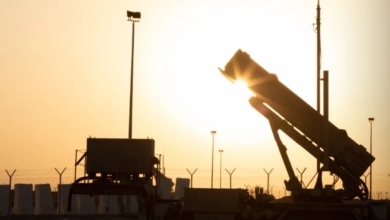
During the press conference held after the meeting, the Saudi Foreign Minister strongly condemned the Iranian attacks targeting the Kingdom and the Gulf Cooperation Council countries, as well as other Arab and Islamic nations. He explained that Iran's insistence on destabilizing regional security constitutes a blatant violation of international conventions and a direct threat to international peace and security.
His Highness added: “We have repeatedly warned of the dangers of continuing escalatory policies, and we have sought to spare the region further tension by prioritizing wisdom and peaceful solutions. However, the insistence on violating the principles of good neighborliness has eroded trust regionally and internationally.” He stressed the need for an immediate halt to these attacks, rejecting attempts to evade responsibility for the attacks that targeted residential areas and vital civilian infrastructure, resulting in significant human and material losses.
The impact of tensions on maritime navigation and the global economy
One of the key topics discussed at the meeting was the protection of navigation and strategic maritime routes. This point is of paramount international importance given that the region contains some of the world's most vital waterways, such as the Strait of Hormuz. The participants condemned the attacks on commercial vessels in the Arabian Gulf, warning that disrupting navigation would have catastrophic consequences for the global economy.
The Foreign Minister noted that any infringement on freedom of navigation necessitates collective action to protect maritime security. He also warned of the damage caused by targeting energy sources and supply chains, particularly fertilizers and agricultural inputs, which threatens global food security and severely impacts the economies of the most vulnerable developing countries.
Unprecedented international solidarity and a call for review
Prince Faisal bin Farhan praised the unprecedented international solidarity shown in response to the current situation, demonstrated by the support of 136 UN member states for UN resolutions demanding a halt to attacks and an end to provocative actions. Participating countries emphasized the need to stop supporting armed militias that undermine Islamic unity and violate the teachings of Islam.
In closing, His Highness delivered a clear message emphasizing the importance of reassessing past miscalculations, stressing that continuing the path of aggression would yield no gains and would only increase political isolation. The meeting concluded with an agreement to maintain intensive consultations and coordination to formulate common positions and take legitimate measures to protect the security and stability of nations, thus paving the way for broad and effective regional and international action.