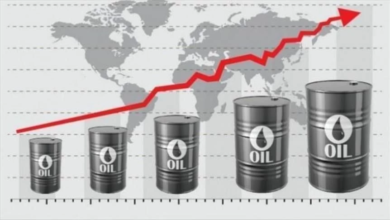

Global oil markets have recorded a significant jump, the strongest of its kind in years, with prices heading towards their biggest weekly gains since the initial recovery from the coronavirus pandemic in the spring of 2020. This meteoric rise is driven by escalating geopolitical tensions in the Middle East, which culminated in Tehran's announcement of the closure of the vital Strait of Hormuz to shipping traffic, in response to recent military strikes.
On Friday, Brent crude futures continued their upward trend, rising by $4, or 4.68%, to close at $89.46 a barrel. Meanwhile, West Texas Intermediate (WTI) crude futures jumped by $5.13, or 6.33%, to $86.14 a barrel. These figures put both benchmarks at their highest levels since the beginning of 2024, raising concerns about a potential new wave of inflation that could impact the global economy.
The Strait of Hormuz: The world's energy lifeline is in danger
The sharp rise in prices began following dramatic developments over the weekend, as the escalating military tensions between the United States and Israel on one side, and Iran on the other, led Tehran to make the strategic decision to halt oil tanker traffic through the Strait of Hormuz. This strait is the world's most vital waterway for the energy sector, with approximately one-fifth of the world's liquid oil consumption passing through it daily, making any disruption to it a "heart attack" for global supply chains.
Economic repercussions and their impact on markets
The impact of this surge isn't limited to trading screens; it extends to the real economies of consuming nations. Economic analysts believe that if prices remain at these high levels, or surpass the anticipated $100 mark soon, it will lead to increased shipping and transportation costs, and higher fuel prices for end consumers. This scenario puts central banks worldwide in a difficult position, as they may be forced to postpone interest rate cuts to counter the potential inflationary pressures resulting from rising energy costs.
From demand crisis to supply shock
This scenario is reminiscent of the sharp market fluctuations of 2020, but in reverse. While the price collapse then stemmed from a halt in global demand due to lockdowns, the current crisis is a quintessential "supply shock." Concerns have broadened to encompass not only crude oil but also liquefied natural gas (LNG) supplies, as the ongoing conflict has disrupted production and shut down numerous refineries and gas facilities in the region, threatening energy security in both Europe and Asia.