
استعدادات استثنائية لموسم الحج
أعلن معالي وزير النقل والخدمات اللوجستية في المملكة العربية السعودية، المهندس صالح بن ناصر الجاسر، عن اكتمال جاهزية منظومة النقل المتكاملة استعدادًا لاستقبال ضيوف الرحمن في موسم الحج لهذا العام. وأكد الجاسر، خلال المؤتمر الصحفي الحكومي، أن جميع قطاعات النقل الجوي والبري والبحري والسككي تعمل بكامل طاقتها التشغيلية، مدعومة بكوادر بشرية ميدانية تتجاوز 46 ألف شخص، بهدف توفير تجربة نقل آمنة وميسرة للحجاج منذ لحظة وصولهم إلى المملكة وحتى مغادرتهم بسلام.
خلفية تاريخية وجهود متواصلة
تعتبر إدارة الحشود والنقل خلال موسم الحج تحديًا لوجستيًا هائلاً واجهته المملكة على مر العصور، حيث يعد الحج أحد أكبر التجمعات البشرية السنوية في العالم. وإدراكًا لهذه المسؤولية العظيمة، استثمرت المملكة العربية السعودية بشكل مكثف في تطوير بنية تحتية متطورة لخدمة الحجاج، تماشيًا مع أهداف “رؤية السعودية 2030” التي تضع خدمة ضيوف الرحمن على رأس أولوياتها. وتشمل هذه الجهود توسعة المطارات، وإنشاء شبكات طرق حديثة، وتدشين مشاريع قطارات عملاقة تربط بين المشاعر المقدسة والمدن الرئيسية، وكلها تهدف إلى رفع مستوى الخدمات المقدمة وتسهيل أداء المناسك.
تفاصيل الخطة التشغيلية لقطاعات النقل
النقل الجوي: بوابات المملكة إلى العالم
في قطاع النقل الجوي، تم تجهيز 6 مطارات رئيسية لاستقبال ما يزيد عن 1.5 مليون حاج قادمين من مختلف أنحاء العالم. ولتحقيق ذلك، تم توفير أكثر من 3 ملايين مقعد عبر 104 ناقلات جوية تربط المملكة بأكثر من 300 وجهة دولية. وأشار الوزير إلى التوسع في تطبيق مبادرة “مسافر بلا حقيبة” لتشمل جميع الحجاج الدوليين، مما يتيح لهم شحن أمتعتهم مباشرة إلى مقار سكنهم، ويسهم في تخفيف الازدحام وتسهيل إجراءات الوصول. كما تم تجهيز خطط لنقل أكثر من 3.8 مليون عبوة من مياه زمزم جوًا.
النقل السككي: سرعة وكفاءة في قلب المشاعر
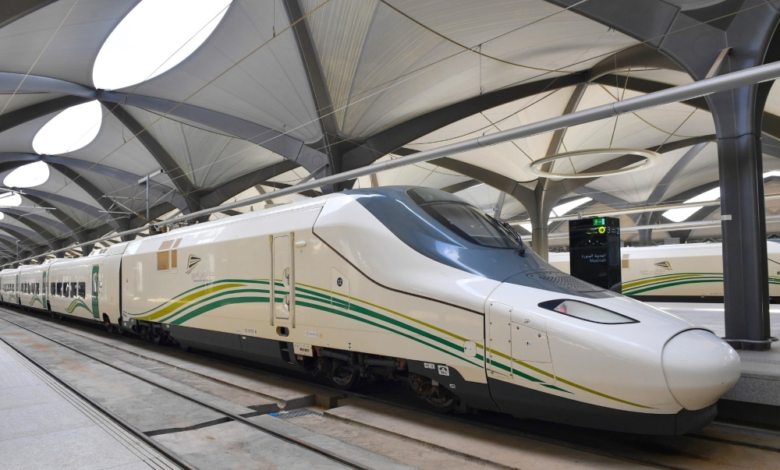
يلعب النقل السككي دورًا محوريًا في خطة الحج، حيث يوفر “قطار الحرمين السريع” أكثر من مليوني مقعد عبر 5,300 رحلة، رابطًا بين مكة المكرمة والمدينة المنورة بسرعة تتجاوز 300 كيلومتر في الساعة، مما يختصر زمن الرحلة بشكل كبير. أما “قطار المشاعر المقدسة”، فيعمل على مدار 7 أيام لخدمة الحجاج في تنقلاتهم بين منى وعرفات ومزدلفة، عبر 2000 رحلة تمر بـ 9 محطات، وبطاقة استيعابية هائلة تصل إلى 72 ألف راكب في الساعة الواحدة، مما يجعله شريانًا حيويًا لتفويج الحشود.
النقل البري: شبكة طرق وأسطول ضخم
على الصعيد البري، نفذت الوزارة خطط صيانة واسعة شملت أكثر من 6,000 كيلومتر من الطرق المؤدية إلى المشاعر المقدسة. ومن أبرز التقنيات المبتكرة المستخدمة هذا العام، التوسع في تقنية “تبريد الطرق” عبر طلاء الأسطح الإسفلتية بمواد خاصة لخفض درجة الحرارة وتخفيف الإجهاد الحراري على الحجاج. ويدعم هذه الشبكة أسطول ضخم يضم أكثر من 33 ألف حافلة و5 آلاف سيارة أجرة، مع تخصيص حافلات للنقل الترددي والنقل المباشر بين المشاعر والحرم المكي.
الأهمية والتأثير العالمي
لا تقتصر أهمية هذه الاستعدادات على الجانب المحلي فقط، بل تمتد لتشمل العالم الإسلامي بأسره. إن نجاح المملكة في إدارة هذا الحدث العالمي يعزز مكانتها كراعية للحرمين الشريفين ويؤكد قدرتها على تنظيم وإدارة أكبر التجمعات الدينية. كما أن توفير تجربة حج آمنة ومريحة لملايين المسلمين من مختلف الجنسيات والثقافات يترك أثرًا إيجابيًا عميقًا ويعكس الصورة الحضارية للمملكة على الساحة الدولية، مؤكدًا التزامها الراسخ بخدمة الإسلام والمسلمين.