
أعلن وزير الصحة السعودي، الأستاذ فهد بن عبدالرحمن الجلاجل، عن نجاح الخطط الصحية لموسم الحج لهذا العام، مؤكداً استقرار الوضع الصحي العام وخلوه التام من أي تفشيات وبائية أو أمراض قد تهدد الصحة العامة بين ضيوف الرحمن. جاء هذا الإعلان خلال المؤتمر الصحفي الحكومي، الذي سلط فيه الضوء على الجاهزية الكاملة للمنظومة الصحية لخدمة الحجاج، مشيراً إلى أن هذه الاستعدادات تأتي امتداداً للتوجيهات السامية من خادم الحرمين الشريفين وسمو ولي عهده الأمين، لضمان أمن وسلامة الحجاج وتقديم أرقى مستويات الرعاية لهم.
خلفية تاريخية لإدارة الحشود الصحية في الحج
تعتبر إدارة الشؤون الصحية في موسم الحج تحدياً لوجستياً وصحياً هائلاً، حيث تستقبل المملكة العربية السعودية ملايين الحجاج من مختلف أنحاء العالم في بقعة جغرافية محدودة وخلال فترة زمنية قصيرة. على مر التاريخ، شكلت التجمعات البشرية الضخمة بيئة خصبة لانتشار الأمراض والأوبئة. وقد اكتسبت المملكة خبرات متراكمة وعميقة في هذا المجال، خاصة بعد تعاملها الناجح مع تحديات صحية عالمية سابقة مثل متلازمة الشرق الأوسط التنفسية (MERS-CoV) ومؤخراً جائحة فيروس كورونا (COVID-19)، التي فرضت بروتوكولات صحية صارمة وغير مسبوقة. هذه الخبرات المتراكمة هي التي بنت عليها وزارة الصحة خططها الوقائية والعلاجية المتقدمة لهذا العام، والتي ترتكز على المراقبة الوبائية الاستباقية والاستجابة السريعة لأي طارئ صحي.
منظومة رعاية طبية متكاملة لضيوف الرحمن
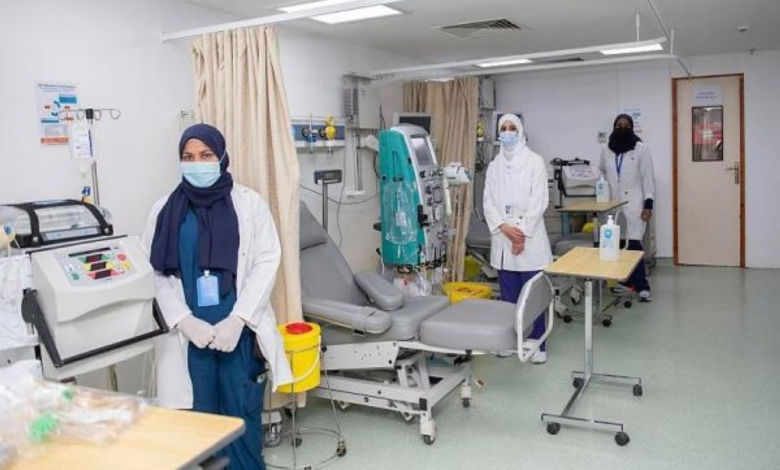
كشف الوزير الجلاجل عن تجهيز شبكة طبية واسعة ومتكاملة لخدمة الحجاج، تشمل 189 منشأة صحية، تتضمن مستشفيات ومراكز رعاية أولية وعيادات متنقلة، موزعة بشكل استراتيجي في مكة المكرمة والمدينة المنورة والمشاعر المقدسة لضمان سهولة الوصول وسرعة الاستجابة. وأوضح بالأرقام أن الطاقة الاستيعابية لهذه المنشآت تتجاوز 6500 سرير طبي، منها أكثر من 800 سرير مخصص للعناية المركزة للحالات الحرجة، بالإضافة إلى تخصيص أكثر من 280 سريراً للتعامل الفوري مع حالات الإجهاد الحراري وضربات الشمس، وهو ما يعكس الاستعداد لمواجهة التحديات المناخية المتوقعة.
كفاءات بشرية وتقنيات حديثة
يقف خلف هذه المنظومة الضخمة جيش من الكوادر الطبية والفنية والإدارية والمتطوعين يتجاوز عددهم 40 ألف شخص، يعملون على مدار الساعة لتقديم الرعاية اللازمة. ويدعم هذا الجهد البشري أسطول إسعافي متطور يضم أكثر من 370 سيارة إسعاف مجهزة، و7 طائرات للإسعاف الجوي لضمان نقل الحالات الحرجة بأسرع وقت ممكن، إلى جانب تجهيز 12 بنكاً للدم. كما أشار الوزير إلى الدور المحوري للتقنية في تعزيز الخدمات، من خلال تشغيل مستشفى “صحة” الافتراضي الذي يقدم استشارات طبية متخصصة عن بعد للفرق الميدانية، مما يساهم في سرعة ودقة تشخيص الحالات وتقديم العلاج المناسب.
أهمية الالتزام بالأنظمة وتأثيره على الصحة العامة
شدد الوزير الجلاجل على الأثر الإيجابي الكبير لحملة “لا حج بلا تصريح” التي تتبناها الجهات الأمنية، موضحاً أن التخطيط الطبي وتوزيع الموارد يُبنى بدقة على أعداد الحجاج النظاميين المعتمدة. وأكد أن وجود حجاج غير نظاميين يشكل ضغطاً غير محسوب على المرافق الطبية، وقد يحرم الحجاج الملتزمين من الحصول على الرعاية السريعة والكاملة التي يستحقونها. كما أن المخالفين يعرضون أنفسهم لخطر الإجهاد الحراري الشديد لافتقارهم إلى الخدمات الأساسية كالمخيمات المجهزة والمظلات النظامية المخصصة للحماية من أشعة الشمس الحارقة، مما يزيد من احتمالية تعرضهم لمخاطر صحية جسيمة.
التأثير الدولي لموسم حج آمن صحياً
إن نجاح المملكة في تأمين موسم حج خالٍ من الأوبئة لا يقتصر تأثيره على المستوى المحلي، بل يمتد ليشكل نجاحاً دولياً في مجال الصحة العامة. فعودة ملايين الحجاج إلى بلدانهم سالمين صحياً تمنع انتقال أي عدوى عبر الحدود، وهو ما يمثل مساهمة سعودية مباشرة في استقرار الصحة العالمية. كما يعزز هذا النجاح من مكانة المملكة كقائدة في إدارة الحشود وكمركز موثوق للعالم الإسلامي، ويرسل رسالة طمأنة لملايين المسلمين حول العالم بأن رحلتهم الإيمانية محفوفة بأعلى معايير الأمان والرعاية الصحية.