
وزير الصحة يدعم إرادة “عايشة” بعد سنوات العناية المركزة
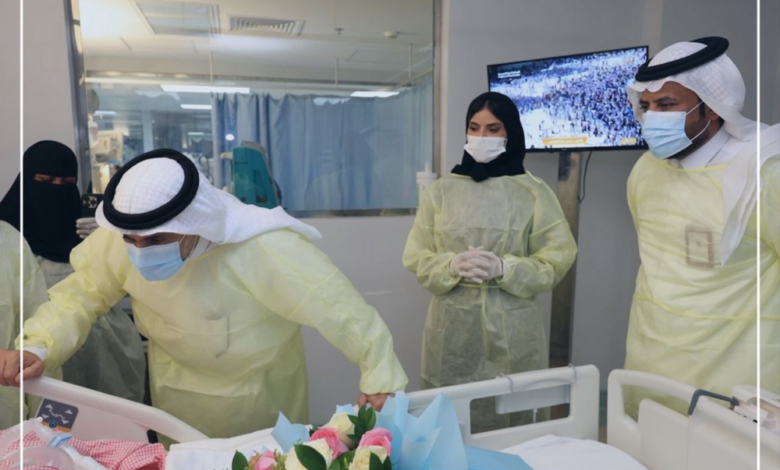
في لفتة إنسانية تعكس مدى الاهتمام الحكومي بتمكين المرضى ودعمهم نفسياً واجتماعياً، أجرى وزير الصحة السعودي، المهندس فهد الجلاجل، زيارة خاصة للمريضة “عايشة” في مستشفى الملك خالد بمحافظة الخرج، والذي يتبع لتجمع الرياض الصحي الأول. جاءت هذه الزيارة كخطوة داعمة لمسيرتها التعليمية الاستثنائية، حيث تمكنت عايشة من بدء رحلتها الجامعية بعد أن قضت ست سنوات كاملة تتلقى الرعاية الطبية الفائقة داخل غرف العناية المركزة. وتجسد هذه القصة أسمى معاني الإرادة والتحدي، وتبرز الدور المحوري الذي تلعبه الكوادر الطبية في المملكة في إنقاذ الأرواح وصناعة الأمل.
من العناية المركزة إلى منصات الإلهام
وقد جاءت زيارة وزير الصحة عقب مشاركة المريضة “عايشة” الفاعلة في ملتقى “القيادة الملهم 2026” الذي أقيم في مدينة جدة. خلال هذا الملتقى، وقفت عايشة أمام الحضور لتستعرض تجربتها الشخصية الملهمة في تحدي الظروف الصحية المعقدة، وكيف استطاعت تحويل المحنة إلى منحة. إن مشاركة المرضى في مثل هذه الملتقيات الوطنية لا تقتصر على سرد المعاناة، بل تهدف إلى بث روح الأمل والإيجابية في المجتمع، وتسليط الضوء على أهمية الإرادة الصلبة في تجاوز أعتى الأزمات الصحية، مما يجعلها نموذجاً يحتذى به للشباب الطموح.
نموذج الرعاية الصحية السعودي الشامل
من جانبها، أكدت وزارة الصحة السعودية أن هذه الخطوة الداعمة من قِبل الوزير تعكس الأبعاد الحقيقية لـ نموذج الرعاية الصحية السعودي الحديث. هذا النموذج الرائد يضع الإنسان في صميم اهتماماته، ولا يقتصر على تقديم الأدوية والعلاجات السريرية فحسب، بل يمتد ليشمل تقديم خدمة متكاملة الأركان. وأوضحت الوزارة أن الرعاية الطبية بمفهومها الشامل تتجاوز الخدمات العلاجية التقليدية لتشمل التمكين النفسي والاجتماعي للمرضى، وهو ما يسهم بشكل مباشر في تعزيز جودة حياتهم وتحفيزهم للاندماج في المجتمع وتحقيق طموحاتهم الأكاديمية والمهنية بثقة واقتدار.
تحول القطاع الصحي ومستهدفات رؤية 2030
تاريخياً وفي سياق التطور العام، يشهد القطاع الصحي في المملكة العربية السعودية تحولات جذرية منذ إطلاق “رؤية المملكة 2030”. ويُعد برنامج تحول القطاع الصحي أحد أهم البرامج التنفيذية للرؤية، والذي يهدف إلى إعادة هيكلة القطاع ليكون نظاماً صحياً شاملاً وفعالاً ومتكاملاً. يعتمد هذا النظام على صحة الفرد والمجتمع، ويركز على الوقاية قبل العلاج، مع ضمان استدامة الخدمات الصحية. إن قصة عايشة هي ثمرة من ثمار هذا التحول، حيث وفرت لها الدولة رعاية ممتدة لسنوات في العناية المركزة، ثم وفرت لها البيئة الداعمة للعودة إلى مقاعد الدراسة وممارسة حياتها الطبيعية.
الأثر المجتمعي والإقليمي للرعاية المتكاملة
إن أهمية هذا الحدث تتجاوز البعد المحلي لتشكل نموذجاً إقليمياً يُحتذى به في كيفية التعامل مع الحالات الطبية المزمنة والمعقدة. فمن الناحية الطبية والعلمية، أثبتت الدراسات أن الدعم النفسي والاجتماعي يسرع من عملية الاستشفاء ويعزز من مناعة المريض. وعلى الصعيد المجتمعي، فإن رؤية مسؤول رفيع المستوى كوزير الصحة يقف داعماً لمريضة في خطواتها الجامعية الأولى، يرسخ قيم التكافل والتراحم. ويؤكد هذا التطور النوعي في القطاع الصحي انسجامه التام مع مستهدفات رؤية 2030 الساعية لبناء مجتمع حيوي ينعم أفراده بالصحة والرفاه، ويثبت أن الاستثمار في صحة الإنسان هو الركيزة الأساسية لنهضة الأمم.