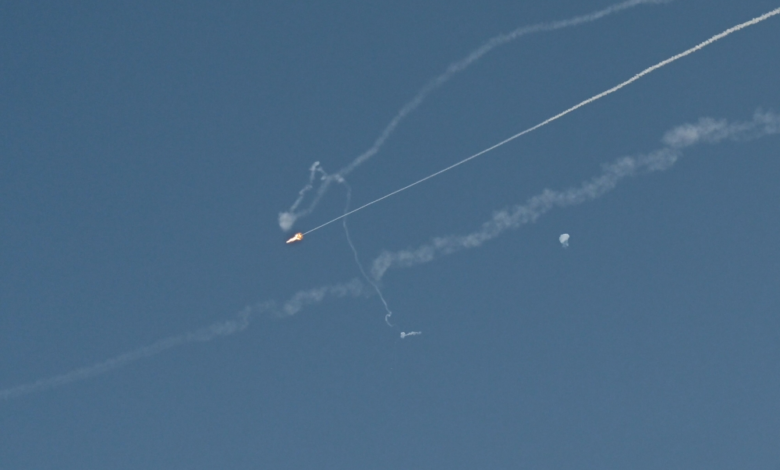

.aksa-articleBody h1 span, .aksa-articleBody h2 span, .aksa-articleBody h3 span { font-size: unset; } .relateArticleBody + br + br, .relateArticleBody + br { display: none; } .relateArticleBody { margin-top: 20px; margin-bottom: 20px; } .relateArticleBodyTitle { font-family: 'Cairo'; font-weight: 800; font-size: 17px; line-height: 24px; padding-right: 7px; border-right: 4px solid #00509f; margin-bottom: 10px; color: #00509f; } .blue-gradient-border{ height: 2px; background: linear-gradient(270deg, #00509F 0%, rgba(0, 80, 159, 0) 63.54%); margin-bottom: 20px; } .relateArticleBodyRow { display: flex; padding-bottom: 5px; } .relatedImageSmall{ margin-left: 7px; } .relateArticleBodyRow .relatedImageSmall .ratio{ padding-bottom: 100%; } .relateArticleBody.relatedImageSmall .ratio img { position: absolute; } .relateArticleBody .article-bx .related_article_title{ font-family: 'Cairo'; font-size: 14px; line-height: 24px; color: #00509f; font-weight: 800; display: -webkit-box; -webkit-line-clamp: 3; -webkit-box-orient: vertical; overflow: hidden; } .relateArticleBodyRow .article-bx{ padding-top: 2px; padding-left: 3px; border-left: 1px solid #dddddd; margin-left: 5px; } .relateArticleBodyRow:last-child .article-bx{ border-left: none; } article div[data-oembed-url] { display: table; margin:auto; } @media screen and (max-width: 768px) { .relateArticleBody { float: none; width: 100%; } .relateArticleBodyRow { display: flex; padding-bottom: 5px; width: 100%; margin-bottom: 10px; } .relateArticleBodyRow .article-bx{ border-left: none; } } The official spokesperson forthe Ministry of Defensethe interception and destruction of four ballistic missiles launched towards Riyadh, with one of the missile fragments falling near a refinery south of Riyadh.
He also confirmed the interception and destruction of five drones that attempted to approach an energy facility in the Eastern Province.
reported of Civil Defense that four residents were injured and there was limited material damage as a result of debris from the intercepted ballistic missile falling on a residential area in Riyadh, according to Al-Ekhbariya TV.