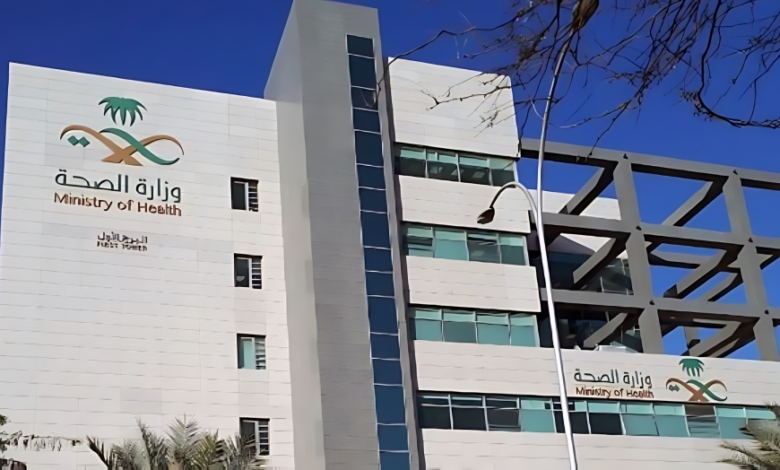

The Saudi Ministry of Health announced an important medical and national achievement that reflects the efficiency of the health system in the Kingdom, as the extensive medical examinations conducted by the ministry’s branches and offices in various regions for the year 2024 confirmed that the Kingdom is completely free of any “indigenous” malaria cases, among hundreds of thousands of accurate laboratory tests conducted throughout the year.
Epidemiological surveillance details and statistics for 2024
Official statistics released by the Ministry revealed that 654,693 accurate laboratory tests were conducted across its various branches. The results showed that the overall malaria positivity rate was only 1.07%, representing 7,041 confirmed positive cases. It is worth noting that all of these cases were classified as either "imported" (6,850 cases) or "localized" (191 cases), while the Kingdom recorded "zero" cases of local transmission within its borders, a strong indicator of the success of vector control programs.
Geographical distribution and challenges of border regions
The data reveals a disparity in the geographical distribution of detected cases, with the Jazan region topping the list of areas most active in monitoring, due to its geographical location and environmental characteristics. Medical teams in Jazan conducted 149,244 tests, revealing 3,251 positive cases, representing a positivity rate of approximately 2.17%. This was followed by the Asir region, which recorded 869 cases out of 23,180 tests.
In Jeddah, the highest positivity rate was recorded, exceeding 5%, with 667 confirmed cases out of 13,300 tests, while the capital, Riyadh, recorded 513 positive imported cases. In contrast, the Eastern Province demonstrated remarkable epidemiological stability thanks to extensive testing efforts (124,012 samples), which resulted in only 434 positive cases.
Parasite classification and diagnostic accuracy
Laboratory results demonstrated high accuracy in the parasitological classification of cases, which is crucial for determining appropriate treatment protocols. The following were observed:
- 3,798 cases of the “Plasmodium falciparum” type (P. falciparum), which is the most dangerous type.
- 2,876 cases of the two types “Plasmodium vivax and Plasmodium ovale”, which are relatively less dangerous.
- 54 cases of Plasmodium nebula.
- 313 mixed cases.
The importance of the achievement in the context of national health security
This announcement comes as part of the Kingdom's decades-long efforts to eradicate malaria, a disease that has historically posed significant challenges. Maintaining a record of zero native cases is a crucial step towards achieving World Health Organization certification of the Kingdom as malaria-free, a strategic objective within the Kingdom's vision to enhance quality of life and health security.
These figures reflect the success of “epidemiological investigation” strategies and mosquito control, where imported cases are dealt with and treated immediately to prevent them from becoming local transmission hotspots, thus protecting the community and reducing the burden on the health system in the long term.