Saudi Arabia declares itself free of native malaria, but reports imported cases

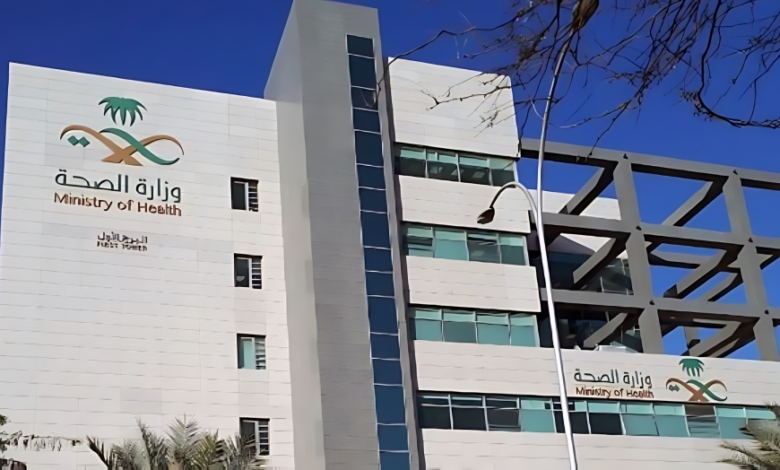
In a significant health achievement reflecting the efficiency of the Saudi Arabian healthcare system, extensive medical examinations conducted by the Ministry of Health's branches and offices across the Kingdom in 2024 revealed that Saudi Arabia is completely free of any native malaria cases. This finding emerged from over 650,000 precise laboratory tests performed. These results confirm the success of national strategies in combating vector-borne diseases, with positive cases detected being limited to those arriving from abroad.
Epidemiological surveillance and health security efforts
These results are of paramount importance in the context of national health security, as the Kingdom, within its ambitious vision, strives to achieve complete malaria eradication and obtain World Health Organization certification of malaria-free status. The absence of any recorded local transmission is a strong indicator of the effectiveness of mosquito control programs and the management of potential outbreaks, particularly in the southern and border regions, which have historically been more vulnerable to this challenge.
Official statistics showed that 654,693 people were examined across various branches, with an overall malaria positivity rate of only 1.07%, representing 7,041 confirmed positive cases that were treated according to approved treatment protocols. The data also revealed a qualitative improvement, recording zero native cases out of the total, while 6,850 cases were identified as imported from abroad, and 191 cases were classified as "introduced" cases.
Geographical distribution and classification of cases
In terms of geographical distribution, the Jazan region topped the list of the most active regions in monitoring due to its geographical location and environmental characteristics. Its teams conducted 149,244 tests, revealing 3,251 positive cases, thus constituting the largest burden of detected cases with a positivity rate of approximately 2.17%. The Asir region came in second place with 869 cases out of 23,180 tests, followed by Jeddah, which recorded the highest positivity rate, exceeding 5%, with 667 confirmed cases out of 13,300 tests, given its status as a major gateway for arrivals and visitors.
In the Eastern Province, health teams conducted extensive testing, examining 124,012 samples, which showed a significant decrease in the infection rate, with only 434 positive cases. The capital, Riyadh, recorded 513 positive imported cases out of more than 66,000 tests. Meanwhile, regions like Al-Qurayyat and Al-Jawf maintained very low infection rates, with 4 and 15 cases respectively.
Parasite classification and diagnostic accuracy
Laboratory results confirmed the accuracy of the parasite classification, a crucial element in determining the appropriate treatment. A total of 3,798 cases were identified as Plasmodium falciparum, the most dangerous type, compared to 2,876 cases of the less dangerous Plasmodium vivax/oval types, in addition to 54 cases of Plasmodium eriopathicus and 313 mixed cases. This precise classification helps prevent health complications for those infected and protects the community from potential local transmission.