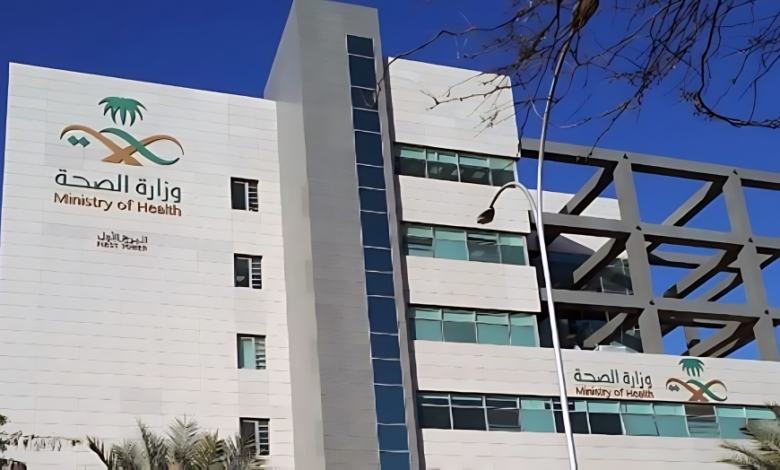
Health Ministry: Reducing surgery waiting times to 12 days and ending patient suffering

The healthcare system in the Kingdom of Saudi Arabia achieved an unprecedented leap forward by the end of 2024, setting new records in reducing patient waiting times and improving response efficiency in emergency departments. This achievement is the culmination of intensive strategic efforts aimed at improving quality of life and facilitating access to healthcare services, in line with the objectives of the Health Sector Transformation Program, a key pillar of the Kingdom's Vision 2030.
Digital achievements that end the agony of waiting
The latest health performance indicators reveal the success of the Ministry of Health's operational plans in bringing about a radical transformation in the patient experience. The average waiting time for outpatient appointments has decreased significantly, from 36 days in 2017 to just 20 days by the end of this year. This remarkable improvement reflects a fundamental advancement in medical resource management and digital appointment booking systems, ensuring that patients receive medical consultations in record time compared to previous years.
In the context of surgical procedures, which have long been a source of anxiety for patients due to long waiting lists, data shows a remarkable decrease in the average waiting time from 36 days in 2018 to just 12 days in 2024. This two-thirds reduction is a significant achievement that directly contributes to expediting medical interventions, improving treatment outcomes, and reducing complications resulting from surgical delays.
Emergency efficiency and rapid response
The achievements weren't limited to scheduled appointments; they also extended to emergency and critical care services. Indicators showed a significant increase in patient processing speed, with the percentage of patients treated within four hours jumping from 84.64% in 2017 to 91.20% by the end of 2024. This figure reflects improved medical response efficiency, enhanced triage pathways, and the increased readiness of healthcare teams around the clock.
Strategic context and impact of health transformation
These figures cannot be viewed in isolation from the broader context of the Kingdom's healthcare transformation. Since the launch of Vision 2030, the Kingdom has prioritized human health, focusing on restructuring the healthcare sector to be more comprehensive and efficient. Digital solutions, such as the "Sehhaty" app and the "Mawid" platform, along with the expansion of healthcare clusters, have contributed to streamlining procedures and reducing wasted time and effort.
Reducing waiting times is not just about statistics; it has a significant social and economic impact. Socially, it helps alleviate anxiety and stress for patients and their families, and strengthens trust in the national healthcare system. Economically, faster treatment means individuals can return to their normal lives and productivity more quickly, thus reducing the financial burden of chronic or worsening illnesses.
In conclusion, these indicators confirm that the health sector in the Kingdom is moving steadily towards global standards, achieving a model to be emulated in healthcare management, where getting an appointment or undergoing surgery is no longer a time-consuming dilemma, but rather an accessible service characterized by quality and speed.