
رعاية شاملة لضيوف الرحمن في موسم الحج
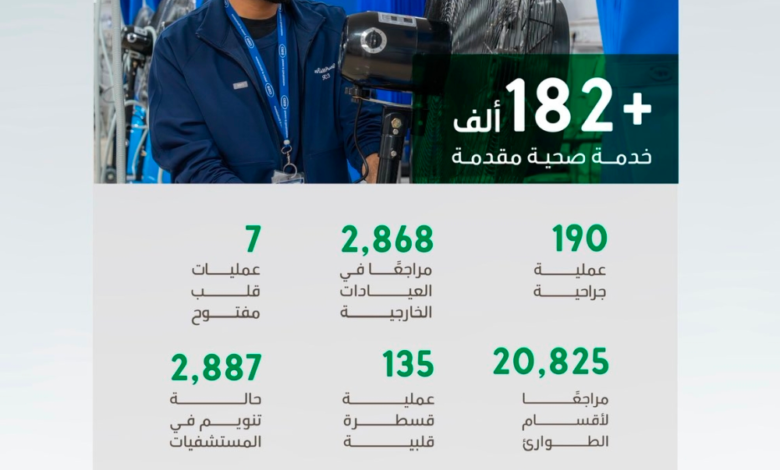
تُولي المملكة العربية السعودية اهتماماً بالغاً وعناية فائقة بضيوف الرحمن، وهو التزام تاريخي وديني أخذته القيادة الرشيدة على عاتقها منذ عقود طويلة. وفي هذا السياق، أعلنت المنظومة الصحية في المملكة عن تحقيق إنجاز طبي وتنظيمي ملحوظ، حيث تم تقديم أكثر من 182 ألف خدمة صحية للحجاج خلال الأيام الثلاثة الأولى فقط من موسم حج هذا العام. وتأتي هذه الجهود الجبارة ضمن استراتيجية مستمرة تهدف إلى تعزيز جودة الرعاية الصحية وضمان سلامة الحجاج عبر منظومة متكاملة من الخدمات الوقائية، والعلاجية، والإسعافية.
السياق التاريخي وتطور الرعاية الصحية للحشود
تاريخياً، تطورت الخدمات الصحية المقدمة في موسم الحج بشكل جذري؛ فبعد أن كانت تقتصر على مستوصفات ميدانية بسيطة في العقود الماضية، أصبحت اليوم شبكة طبية معقدة ومتطورة تشمل مدناً طبية متكاملة، ومستشفيات متنقلة، ومراكز رعاية أولية مجهزة بأحدث التقنيات العالمية. هذا التطور يعكس حجم الاستثمار الحكومي الضخم في البنية التحتية الصحية، والذي يتماشى مع مستهدفات رؤية السعودية 2030 لضمان تجربة روحانية آمنة وصحية لكل حاج، وترسيخ ريادة المملكة العالمية في تخصص «طب الحشود» وإدارة التجمعات البشرية الكبرى.
إحصاءات دقيقة تعكس حجم الجهود الطبية
أوضحت الإحصاءات الرسمية الصادرة عن المنظومة الصحية تفاصيل هذه الرعاية الشاملة، حيث شملت الخدمات المقدمة إجراء 190 عملية جراحية متنوعة، و135 عملية قسطرة قلبية، بالإضافة إلى 7 عمليات قلب مفتوح دقيقة لإنقاذ حياة الحجاج. وإلى جانب التدخلات الجراحية، تم تسجيل 2,887 حالة تنويم في المستشفيات لتلقي الرعاية المستمرة والمراقبة الطبية، بينما استقبلت أقسام الطوارئ 20,825 حاجاً وحاجة تعاملت معهم الكوادر الطبية بكفاءة وسرعة عالية. كما استفاد 32,772 مستفيداً من خدمات المراكز الصحية والرعاية العاجلة المنتشرة في المشاعر المقدسة.
التحول الرقمي في خدمة الحجاج
وفي إطار تسخير التقنيات الحديثة لتيسير الوصول إلى الخدمات الصحية، بيّنت المنظومة الصحية إجراء 2,868 مراجعة في العيادات الخارجية. ولم تقتصر الرعاية على الحضور الشخصي، بل شملت تقديم الاستشارات الطبية عن بُعد لـ 12,627 مستفيداً عبر خدمة الاتصال الهاتفي على الرقم الموحد (937). هذا التوظيف للتقنية يبرز دور التحول الرقمي في سرعة الاستجابة، وتقديم النصح الطبي الفوري، وتخفيف الضغط عن المنشآت الصحية الميدانية.
تأثير محلي ودولي لنجاح المنظومة الصحية
إن أهمية هذا الحدث تتجاوز البعد المحلي لتصل إلى تأثيرات إقليمية ودولية واسعة. فعلى الصعيد المحلي، يثبت هذا الأداء الاستثنائي الجاهزية التامة للقطاع الصحي السعودي وكفاءة كوادره البشرية في التعامل مع الطوارئ وإدارة الحشود المليونية في حيز جغرافي وزمني ضيق. أما دولياً، فإن هذه الأرقام تبعث برسالة طمأنينة لملايين المسلمين حول العالم بأن حجاج بيت الله الحرام يحظون بأرقى مستويات الرعاية.
وأكدت وزارة الصحة أن هذه الجهود المكثفة تأتي ضمن منظومة متكاملة تتشارك فيها مختلف الجهات الحكومية والأمنية والصحية. وتهدف هذه التشاركية إلى تقديم رعاية صحية شاملة وآمنة، مع التركيز على الجوانب الوقائية مثل التوعية بمخاطر الإجهاد الحراري، مما يعكس التفاني المطلق في خدمة الحجاج وضمان إتمامهم لمناسكهم بصحة وسلام.