
The hospitality sector in Saudi Arabia recorded remarkable growth during the third quarter of 2025, as the latest data issued by the General Authority for Statistics showed that the hotel room occupancy rate in Saudi Arabia rose to about 49.1% , compared to 46.1% during the same period in 2024. This increase reflects the rising momentum witnessed by the tourism sector in the Kingdom, in line with the objectives of Saudi Vision 2030, which aims to make tourism a key pillar of the national economy and diversify non-oil income sources.
Hotel performance indicators and hospitality facilities
The Tourism Establishments Statistics Bulletin revealed a disparity in the performance of different accommodation units. While hotel occupancy increased, the occupancy rate for serviced apartments and other hospitality facilities saw a slight decrease to 57.4% during the third quarter of 2025, compared to 58% in the same period of the previous year. This disparity suggests either a change in guest preferences or an increase in the supply of serviced accommodation units in the market.
Medina and Riyadh are in the lead
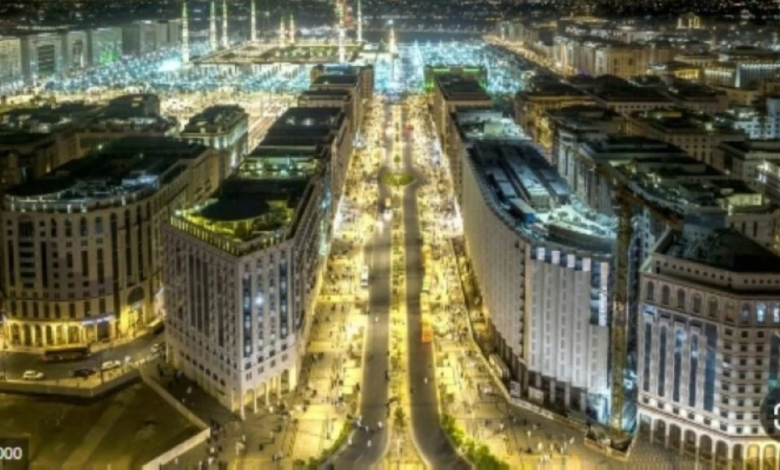
Geographically, major cities and holy sites continued to lead the tourism scene. Medina the list with the highest hotel occupancy rate at 68.9%, primarily due to the continued influx of visitors and pilgrims and the increased capacity to serve them. The capital, Riyadh in second with 58.1%, driven by economic activity, conferences, and entertainment events. The Asir region followed with 54.1%, a major summer tourist destination thanks to its moderate climate.
In the serviced apartments sector, Riyadh ranked first with an occupancy rate of 65.9%, followed by Najran at 62.7%, and then Makkah at 55.7%. In contrast, Hail recorded the lowest hotel occupancy rate at 32.3%, while the Northern Borders region came in last for serviced apartments at 42.1%.
Prices and length of stay
On the financial side, the average daily rate for a hotel room reached approximately 341 riyals, marking a 4% decrease compared to the previous year. This may indicate competitive pricing aimed at attracting a wider range of visitors. In contrast, the average daily rate for serviced apartments increased by 4% to reach 208 riyals. As for length of stay, the average hotel stay was 4.1 nights, while the average stay in serviced apartments remained stable at two nights.
Employment growth in the tourism sector
Growth wasn't limited to occupancy rates; it extended to the labor market as well, with the number of employees in tourism activities rising by more than 6% to surpass one million . Of these, approximately 245,200 were Saudi nationals, representing 24% of the sector's total workforce, while 764,500 were non-Saudis. The Riyadh region ranked first in terms of the number of employees, with around 332,000, followed by Makkah with over 283,000, underscoring the vital role these regions play in creating job opportunities within the expanding tourism sector.