
The latest data issued by the General Authority for Statistics in the Kingdom of Saudi Arabia showed a qualitative leap in the index of industrial production quantities, as it recorded a remarkable increase of 10.4% during November 2025 compared to the same month of the previous year 2024. This accelerated growth reflects the vitality of the industrial sector and its ability to expand in line with national objectives.
The context of economic transformation and Vision 2030
This increase comes within the context of the Kingdom's concerted efforts to achieve the goals of "Saudi Vision 2030," which positions the industrial sector as a key pillar for diversifying national income sources. The National Industrial Development and Logistics Program (NIDLP) is a major driver of this growth, aiming to transform the Kingdom into a leading industrial power and a global logistics hub. The continued growth of the industrial index underscores the success of economic policies aimed at enhancing local content and increasing production efficiency.
Details of the performance of key sectors
According to the report, the increase was primarily driven by mining and quarrying activity, manufacturing activity, and water supply and waste management activities. Further details are provided below
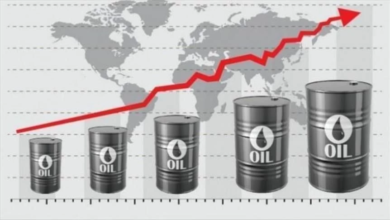
- Oil activities: witnessed an increase of 12.9%, as the Kingdom’s oil production reached 10.1 million barrels per day in November 2025, compared to 8.9 million barrels in the previous year, which contributed to raising the mining index by 12.6%.
- Non-oil activities: continued their upward trajectory, recording growth of 4.4%, a positive indicator reflecting the growth of the real economy away from the fluctuations of energy markets.
- Manufacturing industries: achieved annual growth of 8.1%, driven by an increase in activity in the coke and refined petroleum products industry by 14.5%, and the chemical industry by 10.9%.
Economic and investment impact
This growth carries significant economic implications both domestically and internationally. Domestically, the expansion of the industrial base contributes to creating more job opportunities and increasing the private sector's contribution to GDP. Regionally and internationally, the stability and growth of Saudi industrial production, particularly in the petrochemical and energy sectors, strengthens the Kingdom's position as a reliable supplier and strategic partner in global supply chains.
Performance of the public utilities sector
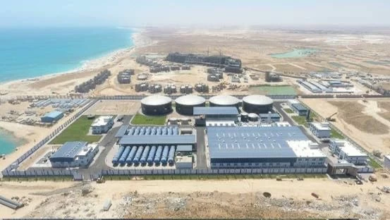
In the utilities sector, performance was mixed. Water supply, sewerage, and waste management saw a strong increase of 10.2%, reflecting urban expansion and improved environmental infrastructure. In contrast, electricity and gas supply declined by 4.3% year-on-year, which could be attributed to seasonal factors or improvements in energy efficiency.
Despite the slight monthly decrease of the general index by 0.7% compared to October 2025, the overall annual trend indicates the strength of the Saudi industrial economy and its ability to achieve sustainable growth rates.