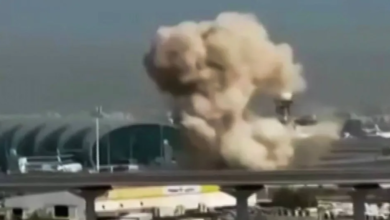
Saudi Arabia: 36 drones destroyed and a ballistic missile successfully intercepted

The Kingdom of Saudi Arabia announced that its air defense forces successfully thwarted a large-scale aerial attack, intercepting and destroying 36 drones and detecting a ballistic missile falling in an uninhabited area, thus preventing any casualties or significant material damage. This announcement underscores the high level of readiness and constant vigilance of the Royal Saudi Air Defense Forces in protecting the Kingdom's airspace and territory from hostile threats.
In detailing the incident, sources explained that air defenses dealt effectively with the hostile targets, which were attempting to strike civilian areas or vital infrastructure—a pattern that has been repeated in previous attempts to destabilize the region. The large number of drones (36) indicates a coordinated and sophisticated escalation attempt. However, advanced defense technology and the high level of training of Saudi forces prevented these attacks from achieving their objectives. The ballistic missile fell in an uninhabited desert area, reflecting either a guidance failure or the success of jamming and interception measures.
General context and historical background of the conflict
This event cannot be separated from the broader context of the Yemeni crisis, which has been ongoing since 2015. Saudi Arabia leads a coalition supporting the legitimate government in Yemen against the Houthi militias. These militias have consistently used explosive-laden drones and ballistic missiles—whose technology, according to international and UN reports, is often of Iranian origin—to target Saudi Arabia. These attacks are part of a war of attrition strategy the militias are attempting to impose. However, Riyadh has succeeded over the past years in building one of the most advanced air defense networks in the Middle East, relying primarily on Patriot missile systems and other sophisticated technologies.
Strategic importance and impact of the event
This defensive success carries significant strategic implications on several levels. Domestically, it reinforces the sense of security among citizens and residents of the Kingdom and underscores the state's ability to protect its assets. Regionally and internationally, it sends a reassuring message to global energy markets, as Saudi Arabia is the world's largest oil supplier, and such attacks often raise concerns about energy supplies. The successful interception reduces geopolitical risks and maintains the stability of economic markets.
Furthermore, this event renews international calls to condemn the targeting of civilians and residential areas, which constitutes a flagrant violation of international humanitarian law. Such attacks typically face widespread condemnation from international organizations and major powers, who affirm the Kingdom's right to defend its territory and protect its citizens from any external aggression that threatens regional peace and security.