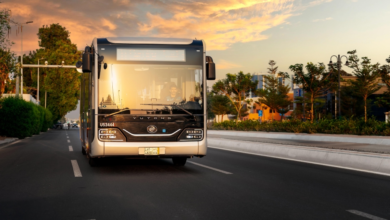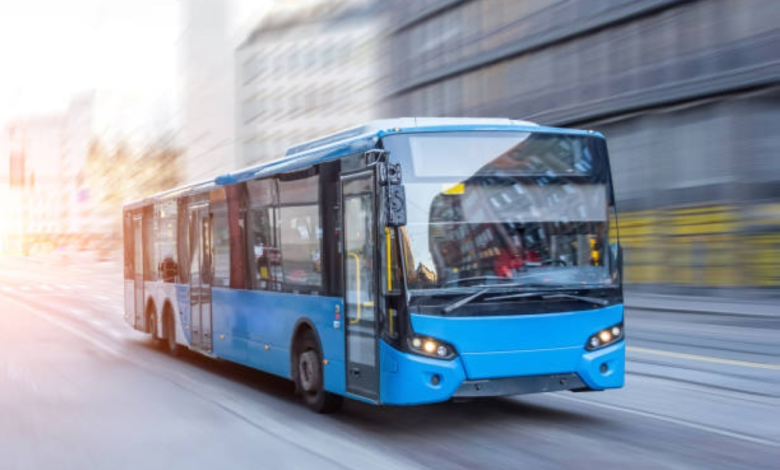

The Public Transport Authority revealed remarkable figures reflecting the rapid growth in the land transport sector, announcing through its quarterly statistical bulletin that the number of passengers who traveled using buses between cities and governorates reached more than 884,000 passengers during the fourth quarter of 2025. These figures confirm the success of the operational and strategic plans adopted by the Kingdom to enhance the public transport network and connect different regions.
Significant growth in land transport activity
The authority explained in its report that the total number of intercity bus trips during the same period exceeded 43,200, covering various regions of the Kingdom. The authority emphasized that these positive results reflect the growing reliance on buses as a primary mode of transportation, given the easy, safe, and economical options they offer to travelers, thus reflecting a shift in the transportation culture of citizens, residents, and visitors.
Mecca leads the way, with Riyadh in second place
Regarding the geographical distribution of passenger traffic, statistics indicate that the Makkah region topped the list of regions with the highest number of passengers, recording 259,600 passengers . This large number is attributed to the region's religious significance and the continuous flow of pilgrims and visitors throughout the year, making bus transportation a vital artery for serving the guests of God.
The Riyadh region came in second with 198,400 passengers , as the capital and financial and administrative center, followed by the Eastern Province with 132,600 passengers Madinah recorded 61,500 passengers, and the Asir 55,400 passengers, while the remaining numbers were distributed across the various regions and governorates of the Kingdom, demonstrating the comprehensiveness of the service and its wide geographical coverage.
Context of the National Transport and Logistics Strategy
These figures cannot be read in isolation from the general context of the National Transport and Logistics Strategy stemming from the Kingdom’s Vision 2030. The Kingdom aims to raise the efficiency of the transport system, reduce reliance on private cars in favor of public transport, which contributes to easing traffic congestion, reducing carbon emissions, and raising the quality of life in Saudi cities.
The intercity bus transport sector has witnessed a qualitative development in recent years, including the modernization of fleets, the application of smart booking and tracking systems, in addition to liberalizing the market and opening the field to competition between operating companies, which has led to raising the level of competitiveness and the quality of services provided to passengers.
Economic and social impact
Intercity bus transport contributes to boosting domestic economic and tourism activity by facilitating the movement of workers and tourists between regions at reasonable costs. It also plays a pivotal role in connecting provinces and villages to major cities, thus promoting balanced development and ensuring access to services and ease of transportation for all segments of society.