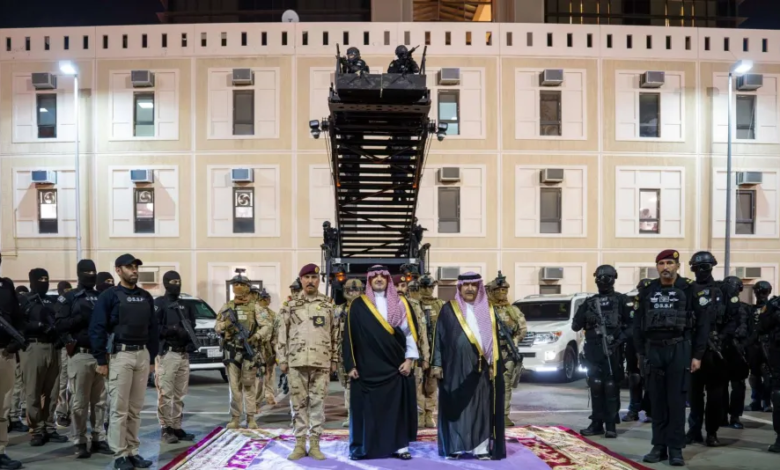

في تأكيد جديد على التزام المملكة العربية السعودية الراسخ بخدمة ضيوف الرحمن، صرح صاحب السمو الملكي الأمير عبد العزيز بن سعود بن نايف بن عبد العزيز، وزير الداخلية رئيس لجنة الحج العليا، بأن منظومة متكاملة من الجهود الأمنية والتنظيمية والخدمية تعمل بتناغم تام للعناية بالحجاج. يأتي هذا التصريح ليُسلط الضوء على الاستعدادات المكثفة والمستمرة التي تبذلها المملكة لضمان أداء ملايين المسلمين لفريضة الحج بيسر وطمأنينة، مؤكداً على أن راحة وسلامة الحجاج هي أولوية قصوى.
السياق العام والخلفية التاريخية لجهود المملكة في خدمة الحج
تُعد فريضة الحج ركناً أساسياً من أركان الإسلام، وتجذب سنوياً ملايين المسلمين من شتى بقاع الأرض إلى الأراضي المقدسة في مكة المكرمة والمدينة المنورة. لطالما اضطلعت المملكة العربية السعودية، منذ تأسيسها، بدورها التاريخي والريادي كخادم للحرمين الشريفين، ومسؤول عن تنظيم وتأمين هذه الشعيرة العظيمة. على مر العقود، شهدت جهود المملكة تطوراً هائلاً، بدءاً من توفير البنى التحتية الأساسية وصولاً إلى تبني أحدث التقنيات والأساليب الإدارية لضمان تجربة حج آمنة ومريحة. هذه الجهود ليست وليدة اللحظة، بل هي امتداد لإرث عريق من العناية بضيوف الرحمن، وتتجدد سنوياً بتخطيط دقيق وتنسيق غير مسبوق بين مختلف القطاعات الحكومية والخاصة.
أبعاد التكامل: الأمن، التنظيم، والخدمات
يشمل التكامل الذي أشار إليه وزير الداخلية ثلاثة محاور رئيسية، كل منها يمثل ركيزة أساسية في منظومة الحج الشاملة:
- التكامل الأمني: يمثل الجانب الأمني حجر الزاوية في خطط الحج. يشمل ذلك نشر الآلاف من رجال الأمن في جميع المواقع المقدسة والمنافذ، وتطبيق أحدث تقنيات المراقبة والتحكم في الحشود، وإدارة حركة المرور لضمان انسيابية تنقل الحجاج. كما يتضمن الجانب الأمني خططاً شاملة للاستجابة للطوارئ، ومكافحة الجريمة، والحفاظ على النظام العام، مما يوفر بيئة آمنة تماماً للحجاج لأداء مناسكهم بسلام.
- التكامل التنظيمي: يتجسد هذا المحور في التنسيق المحكم بين عشرات الجهات الحكومية والخاصة المعنية بالحج. يشمل ذلك إصدار التأشيرات، وتنظيم قدوم ومغادرة الحجاج، وتوزيعهم على المخيمات، وإدارة جداول التفويج لرمي الجمرات والطواف والسعي. كما يتضمن التخطيط المسبق للمسارات، وتوفير وسائل النقل المتنوعة، وإدارة الموارد البشرية واللوجستية الضخمة التي تتطلبها عملية الحج.
- التكامل الخدمي: يهدف هذا الجانب إلى توفير أرقى مستويات الخدمات لضيوف الرحمن. يشمل ذلك الرعاية الصحية المتكاملة عبر المستشفيات والمراكز الصحية المتنقلة، وتوفير مياه الشرب النظيفة ووجبات الطعام، وخدمات النظافة والصرف الصحي، بالإضافة إلى خدمات الإرشاد والتوجيه الديني واللغوي. كما يشمل توفير حلول رقمية مبتكرة لتسهيل رحلة الحاج، مثل التطبيقات الذكية التي تقدم معلومات ومساعدات فورية.
أهمية الحدث وتأثيره المتوقع
إن هذا التكامل الأمني والتنظيمي والخدمي له تأثيرات عميقة ومتعددة الأبعاد. على الصعيد المحلي، يعزز من مكانة المملكة كمركز للعالم الإسلامي ويبرز قدرتها الفائقة على إدارة أكبر التجمعات البشرية في العالم. كما يساهم في تنشيط الاقتصاد المحلي من خلال الخدمات اللوجستية والضيافة. إقليمياً ودولياً، تضمن هذه الجهود أن يتمكن ملايين المسلمين من أداء فريضتهم بأمان وكرامة، مما يعزز الوحدة الإسلامية ويُرسخ صورة المملكة كدولة رائدة في خدمة الإنسانية. كما أن النجاح المتواصل في إدارة الحج يعكس التزام المملكة برؤية 2030، التي تهدف إلى زيادة أعداد الحجاج والمعتمرين وتقديم أفضل الخدمات لهم، مما يساهم في تحقيق أهداف التنمية الشاملة للمملكة وخدمة الأمة الإسلامية جمعاء.