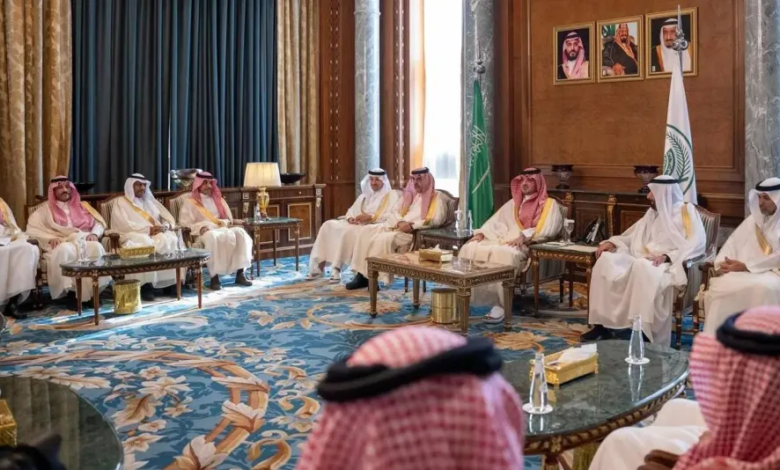

أشاد صاحب السمو الملكي الأمير عبد العزيز بن سعود بن نايف بن عبد العزيز، وزير الداخلية السعودي ورئيس لجنة الحج العليا، بالنجاح الكبير الذي شهده موسم الحج لعام 1445هـ. وأكد سموه أن هذا النجاح لم يكن ليتحقق لولا توفيق الله أولاً، ثم الدعم والتوجيهات المستمرة من خادم الحرمين الشريفين الملك سلمان بن عبد العزيز آل سعود، وصاحب السمو الملكي الأمير محمد بن سلمان بن عبد العزيز آل سعود، ولي العهد رئيس مجلس الوزراء. وأوضح الوزير أن التكامل الفعال بين مختلف القطاعات الحكومية والخاصة المشاركة في خدمة ضيوف الرحمن كان حجر الزاوية في تجسيد كفاءة العمل المشترك، مما أثمر عن موسم حج آمن وميسر.
خلفية تاريخية وسياق عام لإدارة الحج
تعتبر إدارة الحج من أكبر التحديات اللوجستية والأمنية التي تواجهها أي دولة في العالم، حيث تستقبل المملكة العربية السعودية سنوياً ملايين الحجاج من مختلف أنحاء العالم لأداء الركن الخامس من أركان الإسلام. وعلى مر العقود، اكتسبت المملكة خبرة تراكمية هائلة في تنظيم هذا الحدث العالمي. وقد شهدت إدارة الحج تطوراً ملحوظاً، بدءاً من التوسعات التاريخية للحرمين الشريفين والمشاعر المقدسة، وصولاً إلى تبني أحدث التقنيات الذكية في إدارة الحشود، وتوفير الخدمات الصحية، وتسهيل إجراءات السفر والإقامة. ويأتي هذا الجهد في إطار الدور التاريخي للمملكة كراعية للحرمين الشريفين، وهو دور تضطلع به بكل فخر ومسؤولية.
تكامل الجهود: نموذج فريد في الإدارة
إن ما أشار إليه وزير الداخلية من “تكامل القطاعات” هو وصف دقيق لشبكة معقدة من العمليات المنسقة. تشمل هذه الشبكة جهود وزارة الداخلية بقطاعاتها الأمنية المختلفة لضمان أمن وسلامة الحجاج، ووزارة الحج والعمرة التي تتولى تنظيم شؤون الحجاج منذ وصولهم وحتى مغادرتهم، ووزارة الصحة التي تستنفر كافة طواقمها ومستشفياتها ومراكزها الصحية لتقديم الرعاية الطبية الفائقة. يضاف إلى ذلك دور وزارة النقل والخدمات اللوجستية في تسهيل حركة النقل عبر قطار المشاعر والحافلات، وجهود الهيئة العامة للإحصاء في توفير بيانات دقيقة تساهم في التخطيط المستقبلي، بالإضافة إلى آلاف المتطوعين والقطاع الخاص الذي يقدم خدمات الإسكان والإعاشة.
الأهمية والتأثير المتوقع لنجاح الموسم
يحمل نجاح موسم الحج أهمية كبرى على كافة الأصعدة. محلياً، يعزز هذا النجاح الشعور بالفخر الوطني ويؤكد على قدرة المملكة على إدارة أكبر التجمعات البشرية بكفاءة واقتدار. إقليمياً ودولياً، يرسخ نجاح الحج مكانة المملكة كقائدة للعالم الإسلامي، ويعكس صورة إيجابية عن الاستقرار والقدرة التنظيمية العالية، مما يعزز من قوتها الناعمة على الساحة الدولية. كما أن تسهيل أداء الفريضة لملايين المسلمين يترك أثراً إيجابياً عميقاً لدى الحجاج وبلدانهم. ويعد هذا النجاح أيضاً خطوة مهمة نحو تحقيق مستهدفات رؤية السعودية 2030، التي تهدف إلى تحسين تجربة الحج والعمرة وتقديم خدمات ذات جودة عالمية لضيوف الرحمن.