
جهود وزارة الداخلية في ضبط مخالفي أنظمة الحج
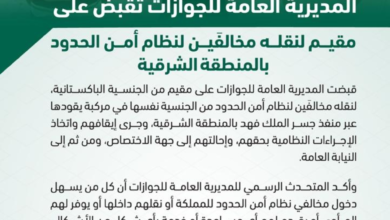
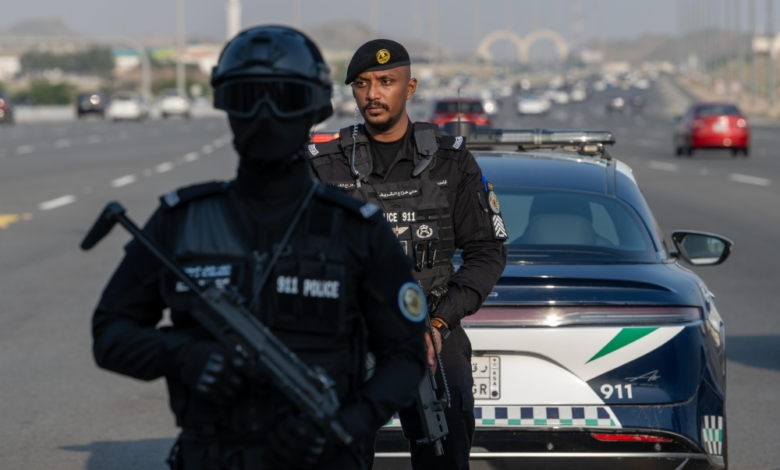
في إطار الجهود المستمرة التي تبذلها حكومة المملكة العربية السعودية لضمان أمن وسلامة ضيوف الرحمن، أعلنت وزارة الداخلية السعودية، ممثلة في قوات أمن الحج، عن اتخاذ قرارات وإجراءات صارمة وحازمة بمداخل مدينة مكة المكرمة. وقد أسفرت هذه الجهود الأمنية المكثفة عن ضبط أربعة أشخاص، يتوزعون بين وافد واحد وثلاثة مواطنين، وذلك لتورطهم في مخالفة أنظمة وتعليمات الحج. وتتمثل المخالفة الصريحة في قيامهم بنقل خمسة أشخاص لا يحملون تصاريح الحج الرسمية التي تخولهم أداء المناسك والدخول إلى العاصمة المقدسة.
تفاصيل العقوبات والغرامات المالية
ولضمان تحقيق الردع العام والخاص، أصدرت الوزارة قرارات إدارية حازمة عبر اللجان الإدارية الموسمية. وشملت هذه العقوبات غرامات مالية ضخمة تصل إلى 100,000 ريال سعودي بحق كل من تورط في نقل المخالفين أو ساهم في ذلك. ولم تقتصر العقوبات على الجانب المالي فحسب، بل شملت أحكاماً بالسجن، والتشهير بالمخالفين في وسائل الإعلام ليكونوا عبرة لغيرهم ممن تسول لهم أنفسهم تجاوز الأنظمة.
أما بالنسبة للأشخاص المنقولين الذين حاولوا أداء فريضة الحج دون الحصول على تصريح رسمي، فقد تم فرض غرامات مالية عليهم تصل إلى 20,000 ريال سعودي. وفيما يخص الوافدين المتورطين في هذه التجاوزات، فقد تقرر ترحيلهم فوراً إلى بلدانهم، مع إصدار قرار حاسم بمنعهم من دخول أراضي المملكة العربية السعودية لمدة عشر سنوات كاملة بعد تنفيذ العقوبة. علاوة على ذلك، سيتم المطالبة قضائياً بمصادرة المركبات التي استُخدمت في عمليات النقل غير النظامية.
السياق التاريخي وأهمية تصاريح الحج
تأتي هذه الإجراءات الصارمة في سياق تاريخي وتنظيمي يهدف بالدرجة الأولى إلى حماية أرواح الحجاج. ففي العقود الماضية، ومع تزايد أعداد المسلمين الراغبين في أداء الفريضة، شهدت مواسم الحج تحديات كبيرة تتعلق بإدارة الحشود المليونية في مساحات جغرافية محدودة جداً مثل منى ومزدلفة وعرفات. ومن هنا، برزت الحاجة الماسة لتطبيق نظام “تصاريح الحج” لتحديد أعداد الحجاج بما يتناسب مع الطاقة الاستيعابية للمشاعر المقدسة، مما يمنع التكدس ويقلل بشكل جذري من مخاطر الحوادث والتدافع، ويضمن انسيابية الحركة.
التأثير المحلي والدولي لتطبيق الأنظمة
على الصعيد المحلي، تسهم هذه الإجراءات الأمنية في تخفيف الضغط الهائل على البنية التحتية والخدمات الصحية والأمنية في مكة المكرمة، مما يتيح للجهات المعنية تقديم خدمات عالية الجودة للحجاج النظاميين. أما على الصعيدين الإقليمي والدولي، فإن التزام المملكة بتطبيق هذه الأنظمة يبعث برسالة طمأنينة للعالم الإسلامي بأسره، مفادها أن السعودية تضع سلامة الحجاج على رأس أولوياتها القصوى، وتحترم الحصص الرسمية المخصصة لكل دولة إسلامية، وتدير هذا التجمع البشري الأكبر عالمياً باحترافية عالية.
دعوة للالتزام والتعاون المشترك
وفي ختام بيانها، وجهت وزارة الداخلية دعوة صريحة ومشددة لجميع المواطنين والمقيمين والوافدين بضرورة التقيد التام والالتزام الكامل بأنظمة وتعليمات الحج. وتؤكد الوزارة أن الحصول على تصريح الحج عبر القنوات الرسمية المعتمدة ليس مجرد إجراء روتيني، بل هو ضرورة شرعية وتنظيمية تساهم في إنجاح الموسم وتيسير أداء النسك لجميع المسلمين في أجواء مفعمة بالروحانية والأمان والسكينة.