Saudi-Iranian agreement to avert war in the region: Statements by the Iranian ambassador

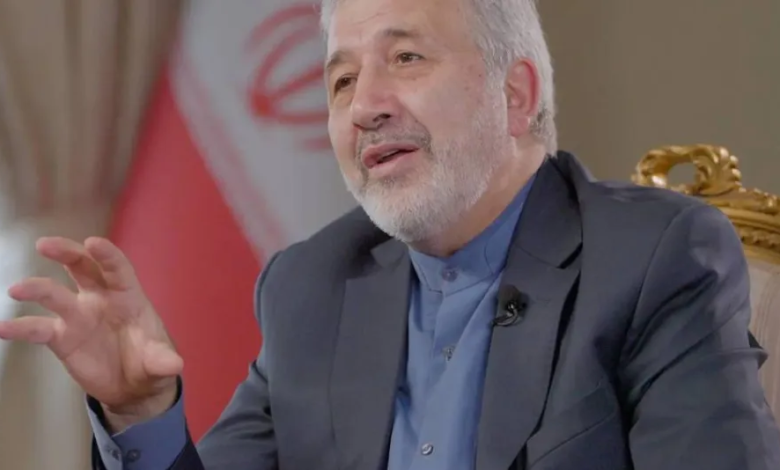
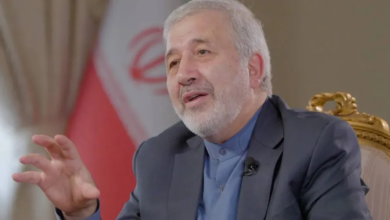
In significant remarks to the Asharq Al-Awsat newspaper, Iranian Ambassador to Saudi Arabia, Ali Reza Enayati, affirmed the existence of a strategic consensus and shared vision between Tehran and Riyadh, primarily aimed at sparing the region the ravages of war and military conflict. This statement comes at a highly sensitive time for the Middle East, reflecting a notable development in diplomatic relations between the two major regional powers.
Ambassador Enayati pointed out that this consensus is not a recent development, but rather the product of a serious diplomatic process that began to take clear shape with the resumption of relations between the two countries. He explained that both sides fully understand that military escalation will not serve the interests of any party, and that dialogue and political solutions are the only way to guarantee regional stability. This stance is considered a strong message of reassurance to the countries of the region and the international community, indicating that the influential powers in the Arabian Gulf are capable of managing their differences and coordinating their positions in a way that preserves international peace and security.
Historical background and path to reconciliation
These statements cannot be read in isolation from the recent historical context, specifically the agreement brokered by China in Beijing in March 2023, which ended a years-long diplomatic rift. That agreement marked a pivotal turning point in the region's geopolitical landscape, shifting relations from a phase of tension to one of trust-building and cooperation. Since then, relations have witnessed an exchange of official visits and the reopening of embassies, paving the way for the kind of high-level security and political agreements the ambassador is discussing today.
Strategic importance and regional impact
This agreement is of paramount importance given the current circumstances plaguing the region, from tensions in the Palestinian territories to the unresolved issues in Yemen, Lebanon, and Syria. The Saudi-Iranian agreement to "neutralize the region from war" effectively defuses numerous potential crises and reduces the chances of sliding into full-blown confrontations that could be devastating. Domestically, this stability supports Saudi Arabia's ambitious development plans under "Vision 2030" and allows Iran to focus on improving its economic situation through greater openness with its neighbors.
The future of relations and collective security
In conclusion, these statements confirm that the concept of collective security in the Gulf region is increasingly reliant on understandings between the region's states themselves, moving away from external interventions that often fuel conflicts. The emphasis on peace and development over war reflects political maturity and a genuine desire to turn the page on the past and look toward a future characterized by economic and political cooperation that achieves the well-being of the region's people.