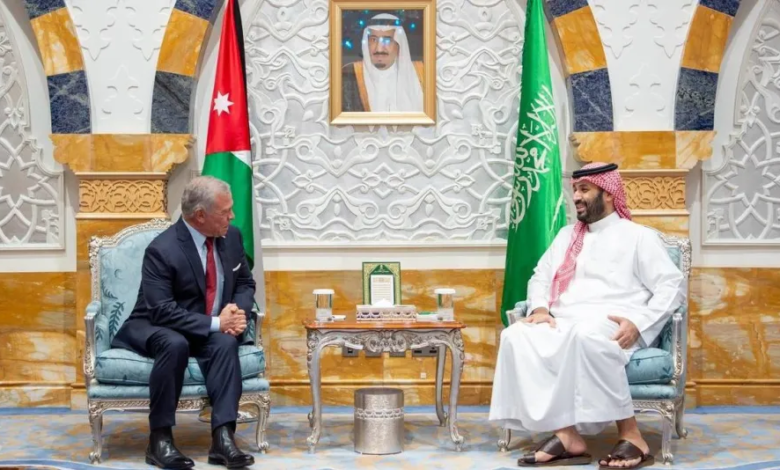

في ظل التوترات المتصاعدة التي يشهدها الشرق الأوسط، أصدرت كل من المملكة العربية السعودية والمملكة الأردنية الهاشمية ودولة قطر بيانات ومواقف حازمة تؤكد أن الهجمات الإيرانية الأخيرة تشكل تهديداً مباشراً وخطيراً على أمن واستقرار المنطقة. وتأتي هذه التصريحات في وقت حرج تتزايد فيه المخاوف من انزلاق المنطقة إلى صراع إقليمي واسع النطاق قد تكون له عواقب وخيمة على السلم والأمن الدوليين.
السياق العام والخلفية التاريخية للتوترات الإقليمية
تاريخياً، عانت منطقة الشرق الأوسط من أزمات متلاحقة وتوترات جيوسياسية معقدة. وقد لعبت التدخلات الخارجية والنزاعات بالوكالة دوراً كبيراً في زعزعة الاستقرار. وتعتبر الهجمات الإيرانية، سواء المباشرة أو تلك التي تنفذها أذرع مسلحة تابعة لها في عدة دول عربية، نقطة تحول خطيرة في مسار الصراعات الإقليمية. لقد دأبت دول الخليج العربي، وعلى رأسها السعودية وقطر، بالإضافة إلى الأردن بحكم موقعه الجغرافي الاستراتيجي، على الدعوة المستمرة لاحترام سيادة الدول ومبادئ حسن الجوار، محذرة من أن التصعيد العسكري لا يخدم مصالح أي طرف.
وقد شهدت السنوات الماضية حوادث متعددة استهدفت منشآت حيوية وممرات ملاحية دولية، مما دفع هذه الدول إلى تعزيز تنسيقها الأمني والسياسي لمواجهة التحديات المشتركة. ويأتي الموقف الثلاثي الأخير كتأكيد على رفض أي ممارسات من شأنها توسيع رقعة الصراع أو تعريض المدنيين والبنى التحتية للخطر.
أهمية الحدث وتأثيره المتوقع
التأثير المحلي والإقليمي
على الصعيد الإقليمي، تثير الهجمات الإيرانية قلقاً بالغاً لدى دول الجوار. بالنسبة للأردن، يمثل الحفاظ على أمن مجاله الجوي وحدوده أولوية قصوى، خاصة مع تزايد محاولات اختراق الأجواء وتهريب الأسلحة التي تهدد أمنه الداخلي. أما السعودية وقطر، فتنظران إلى هذا التصعيد كمهدد رئيسي لأمن الخليج العربي الذي يمثل شرياناً حيوياً للطاقة العالمية. إن استمرار هذه الهجمات قد يؤدي إلى سباق تسلح في المنطقة، وتعطيل خطط التنمية الاقتصادية الطموحة التي تتبناها هذه الدول، مثل رؤية السعودية 2030 وغيرها من المشاريع الاستراتيجية التي تتطلب بيئة آمنة ومستقرة لضمان تدفق الاستثمارات الأجنبية.
التأثير الدولي والاقتصادي
دولياً، لا يقتصر تأثير الهجمات الإيرانية على النطاق الجغرافي للشرق الأوسط، بل يمتد ليشمل الاقتصاد العالمي بأسره. إن أي تهديد لأمن المنطقة ينعكس فوراً على أسواق الطاقة العالمية، حيث يمر جزء كبير من إمدادات النفط والغاز عبر مضيق هرمز والبحر الأحمر. وقد أعربت القوى الكبرى، بما فيها الولايات المتحدة والاتحاد الأوروبي، عن دعمها لمواقف السعودية والأردن وقطر، مؤكدة على ضرورة حماية حرية الملاحة وضمان تدفق إمدادات الطاقة لتجنب أزمات اقتصادية عالمية جديدة.
دعوات للتهدئة والحلول الدبلوماسية
في ختام مواقفها، شددت السعودية والأردن وقطر على ضرورة تدخل المجتمع الدولي ومجلس الأمن التابع للأمم المتحدة لتحمل مسؤولياتهم في حفظ الأمن والسلم الدوليين. وتطالب هذه الدول بضرورة اللجوء إلى الحوار والحلول الدبلوماسية لتجنيب المنطقة ويلات الحروب، مؤكدة أن الاستقرار الإقليمي هو ركيزة أساسية للاستقرار العالمي، وأن استمرار الهجمات الإيرانية سيقوض كل جهود السلام والتنمية في الشرق الأوسط.