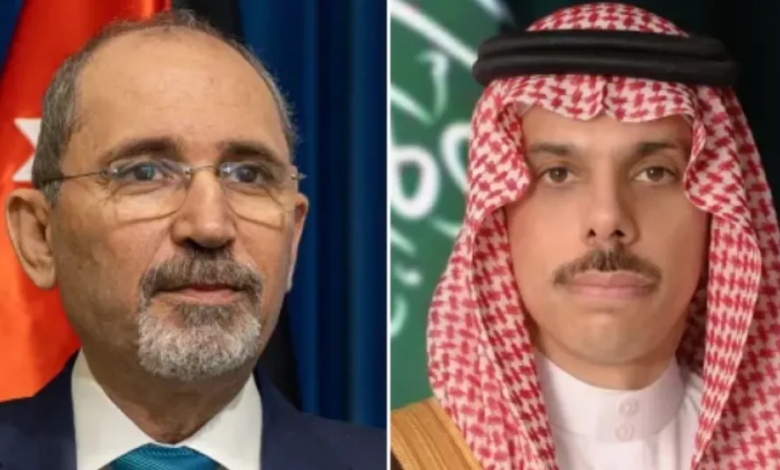

في ظل التحديات المتصاعدة التي تواجه منطقة الشرق الأوسط، أجرى صاحب السمو الأمير فيصل بن فرحان بن عبدالله، وزير الخارجية السعودي، اتصالاً هاتفياً مع معالي نائب رئيس الوزراء ووزير الخارجية وشؤون المغتربين في المملكة الأردنية الهاشمية، السيد أيمن الصفدي. وشكّل هذا الاتصال حلقة جديدة في سلسلة التنسيق والتشاور المستمر بين البلدين الشقيقين لمواجهة الأزمات الإقليمية، وعلى رأسها التطورات الخطيرة في قطاع غزة.
وركز الوزيران خلال المباحثات على استعراض آخر المستجدات في المنطقة، وبشكل خاص الجهود الدبلوماسية المبذولة لوقف إطلاق النار في غزة. وأكدا على ضرورة تكاتف المجتمع الدولي لاتخاذ إجراءات فورية وفعالة لإنهاء الأزمة الإنسانية المتفاقمة، وضمان وصول المساعدات الإغاثية والطبية بشكل آمن ومستدام إلى كافة أنحاء القطاع المحاصر.
خلفية تاريخية وسياق عام
تأتي هذه المباحثات في سياق علاقات تاريخية واستراتيجية راسخة تجمع بين المملكة العربية السعودية والمملكة الأردنية الهاشمية. ولطالما شكل البلدان حجر زاوية في منظومة العمل العربي المشترك، حيث تجمعهما رؤى متقاربة تجاه القضايا الإقليمية الكبرى، وفي مقدمتها القضية الفلسطينية. ويستند التنسيق السعودي الأردني إلى إرث طويل من المواقف المشتركة التي تدعم حقوق الشعب الفلسطيني وتدعو إلى إقامة دولته المستقلة على حدود عام 1967 وعاصمتها القدس الشرقية، وفقاً لمبادرة السلام العربية وقرارات الشرعية الدولية.
أهمية الحدث وتأثيره المتوقع
تكتسب هذه المحادثات أهمية بالغة نظراً للدور المحوري الذي يلعبه البلدان في المنطقة. فالمملكة العربية السعودية، بثقلها السياسي والاقتصادي، تقود جهوداً دبلوماسية واسعة لحشد الدعم الدولي لوقف الحرب ومنع توسعها. ومن جهتها، تمتلك الأردن، بحكم موقعها الجغرافي ودورها التاريخي في الوصاية على المقدسات الإسلامية والمسيحية في القدس، تأثيراً مباشراً وقنوات اتصال حيوية. إن توحيد مواقفهما يبعث برسالة قوية للمجتمع الدولي حول الإجماع العربي على ضرورة تحقيق الاستقرار وإنهاء الاحتلال كسبيل وحيد للسلام الدائم. ومن المتوقع أن تساهم هذه الجهود المنسقة في زيادة الضغط الدبلوماسي على الأطراف الفاعلة دولياً لاتخاذ خطوات جادة نحو حل سياسي شامل وعادل.