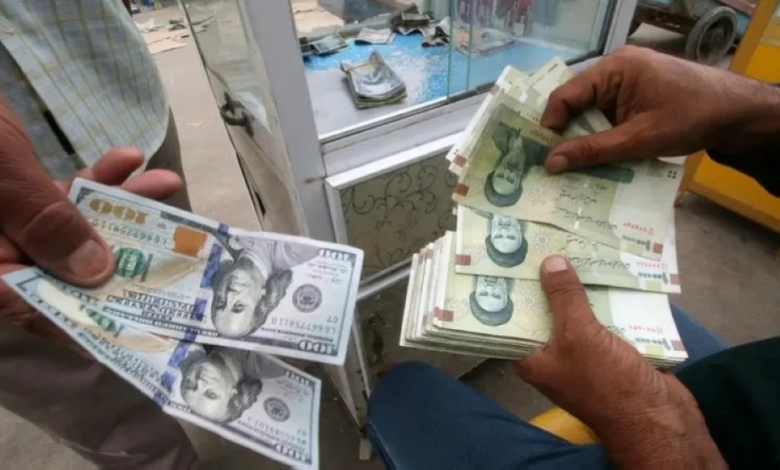

Tehran's foreign exchange markets have witnessed a new wave of turmoil, with the Iranian rial a record low against the US dollar and other major foreign currencies, reflecting the depth of the economic crisis gripping the country. This rapid decline is further intensifying the pressure on the Iranian government and on citizens already suffering from an unprecedented erosion of their purchasing power.
Context of economic decline and historical background
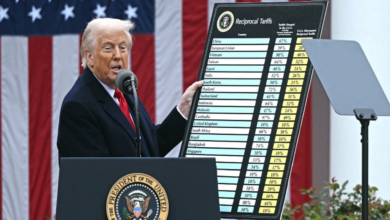
This collapse was not a sudden occurrence, but rather the culmination of years of accumulated economic and political factors. Since the United States unilaterally withdrew from the nuclear agreement (the Joint Comprehensive Plan of Action) in 2018 and reimposed crippling sanctions, the Iranian currency has lost a significant portion of its value. Economic data indicates that the rial has lost more than ten times its value since then, plunging the Iranian economy into a state of perpetual uncertainty.
Isolation from the global financial system plays a pivotal role in this decline, as Tehran faces significant difficulties in accessing its foreign exchange reserves or conducting international bank transfers, reducing the supply of hard currency within the local market and pushing prices in the parallel market (black market) to record levels.
Direct and indirect causes
In addition to international sanctions, economic experts believe that there are internal factors contributing to accelerating the pace of the collapse, most notably:
- High inflation rates: The Iranian economy suffers from chronic inflation that often exceeds the 40% mark, which weakens confidence in the local currency and pushes citizens to exchange their savings for dollars or gold.
- Monetary policies: The Central Bank of Iran faces challenges in controlling cash liquidity, as it continues to print money to cover the deficit in the general budget.
- Geopolitical tensions: The unstable situation in the Middle East and Tehran’s involvement in thorny regional issues affect market sentiment and deter potential foreign investment.
Expected impacts locally and regionally
The continued collapse of the rial's value has serious repercussions for the daily lives of Iranian citizens. The soaring exchange rate has led to skyrocketing prices for basic goods, including food, medicine, and electronics, as a significant portion of these goods or their production inputs are imported using hard currency.
Regionally, economists are watching the situation cautiously, as the instability of the Iranian economy could cast a shadow over trade with neighboring countries, especially those that rely on Iranian gas or electricity, or that have active border trade relations.
In conclusion, the future of the Iranian rial remains contingent on a possible international political breakthrough, or the government's success in implementing radical structural reforms, which seems like a difficult challenge given the current circumstances.