Talks between the Saudi and Bahraini Crown Princes: Strengthening Partnership and Shared Destiny

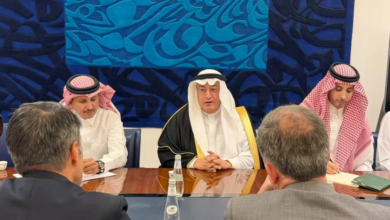
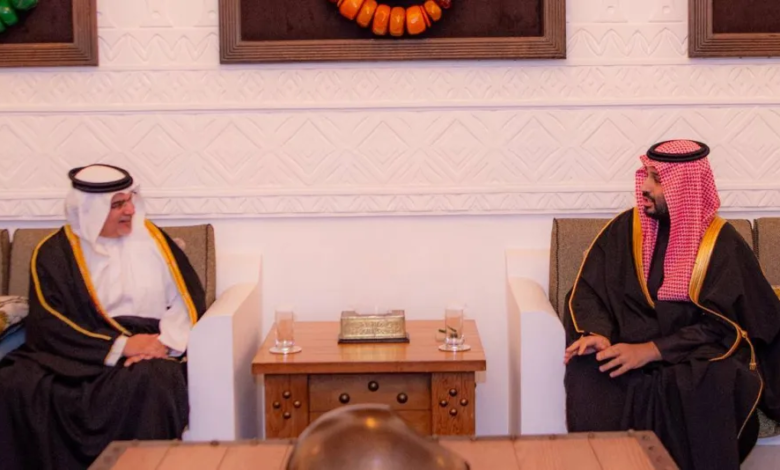
In the context of strengthening the deep-rooted fraternal ties between the two sister kingdoms, Saudi Crown Prince Mohammed bin Salman bin Abdulaziz and his Bahraini counterpart, Crown Prince Salman bin Hamad Al Khalifa, held extensive talks that addressed a number of common issues of interest to both countries, in continuation of the historical cooperation that unites Riyadh and Manama.
These discussions underscore the depth of the strategic relationship, which transcends traditional diplomatic norms and embodies a shared sense of brotherhood and common destiny. During the meeting, both sides reviewed the distinguished bilateral relations across various fields and explored ways to further develop and strengthen them to serve the mutual interests of the two brotherly nations. They also exchanged views on a range of current regional and international issues.
Saudi-Bahraini Coordination Council: An institutional framework for cooperation
These meetings are primarily based on the outcomes of the Saudi-Bahraini Coordination Council, which serves as the main framework for organizing and developing relations between the two countries. The Council aims to elevate the level of representation and cooperation in the political, military, security, economic, and investment fields. The Council's subcommittees work regularly to overcome obstacles, enhance trade exchange, and follow up on vital infrastructure projects, most notably the future King Hamad Causeway project, which will strengthen the existing land connection via the King Fahd Causeway.
Integration of Economic Visions 2030
From an economic perspective, these discussions are particularly important given the convergence of the two countries' development visions. Saudi Arabia, through its Vision 2030, and Bahrain, through its Economic Vision 2030, are both striving to diversify their sources of income and reduce their dependence on oil. The two sides are continuously discussing opportunities for joint investment in the tourism, renewable energy, logistics, and financial technology sectors, which will create new job opportunities and strengthen the Gulf economy as a unified entity.
Historical dimension and regional importance
Historically, the relationship between the two ruling families and their peoples stretches back centuries, making coordination between them vital for the stability of the Arabian Gulf region. Regionally, Saudi-Bahraini cooperation is a cornerstone of the Gulf Cooperation Council (GCC). The importance of these talks lies in unifying political stances on the security challenges facing the region, emphasizing the necessity of joint action to maintain international peace and security, and countering foreign interference in Arab affairs.
In conclusion, these ongoing meetings between the leaderships of the two countries represent a clear message to the world about the strength of the Saudi-Bahraini alliance, and the determination of the two kingdoms to move forward towards a more prosperous and stable future for the peoples of the region.