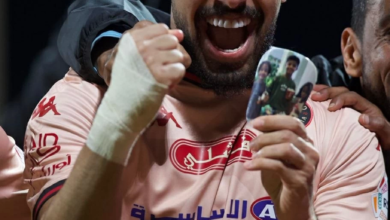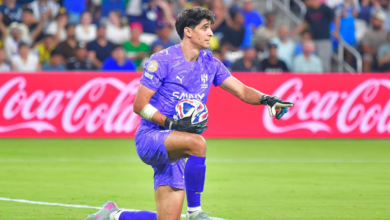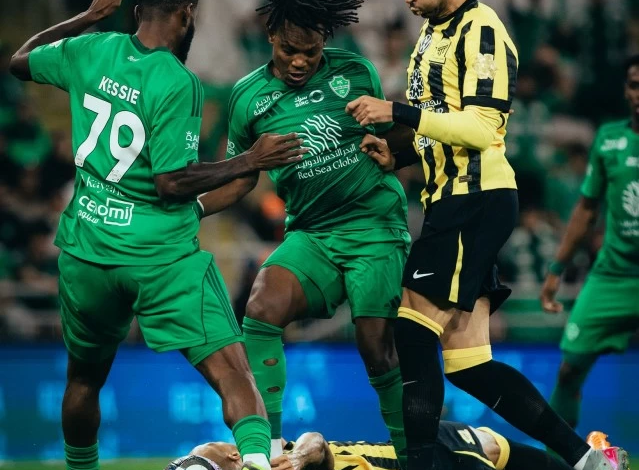

أثبت النادي الأهلي السعودي ومدربه الألماني ماتياس يايسله علو كعبهما في منافسات الدوري السعودي للمحترفين (دوري روشن)، ليس فقط من خلال النتائج الرقمية والمنافسة على الألقاب، بل عبر استراتيجية فنية مستدامة تعتمد على تطوير الكوادر الوطنية. وقد تجلى هذا التوجه بوضوح في مواجهة "ديربي جدة" النارية أمام الغريم التقليدي نادي الاتحاد، والتي احتضنها ملعب مدينة الملك عبدالله الرياضية "الجوهرة المشعة" ضمن منافسات قمة الجولة الخامسة والعشرين.
تفوق أهلاوي بنكهة محلية
في مباراة شهدت حضوراً جماهيرياً غفيراً، تمكن الراقي من حسم الديربي لصالحه بنتيجة ثلاثة أهداف مقابل هدف وحيد. اللافت في هذا الانتصار لم يكن النتيجة فحسب، بل الاعتماد الكبير للمدرب يايسله على العناصر المحلية التي قدمت ملحمة كروية أمام ترسانة من النجوم العالميين. وقد برزت الأسماء المحلية بشكل لافت في التشكيلة الأساسية، حيث قاد الخط الخلفي الثلاثي زكريا هوساوي، ريان حامد، وعلي مجرشي، مقدمين أداءً دفاعياً صلباً، بمساندة فعالة من لاعب خط الوسط زياد الجهني.
دكة بدلاء تصنع الفارق
لم يقتصر التألق المحلي على الأساسيين، بل امتد ليشمل دكة البدلاء التي كانت عاملاً حاسماً في الحفاظ على رتم المباراة. فقد دفع يايسله بأوراق رابحة تمثلت في المهاجم الدولي فراس البريكان، إضافة إلى محمد بكر، صالح أبو الشامات، وعيد المولد. هذا التنوع في الخيارات المحلية يعكس عمق التشكيلة الأهلاوية وقدرة الجهاز الفني على تجهيز اللاعب السعودي ليكون نداً قوياً في أقوى دوري عربي وآسيوي.
انعكاسات إيجابية على المنتخب السعودي
تكتسب هذه المستويات المميزة للاعبي الأهلي أهمية قصوى تتجاوز حدود النادي، لتصب في مصلحة المنتخب الوطني السعودي. ويُعد الفرنسي هيرفي رينارد، مدرب الأخضر، هو المستفيد الأكبر من هذه الصحوة الفنية للعناصر المحلية. فمع اقتراب استحقاقات دولية هامة، وفي مقدمتها التصفيات والتحضيرات لنهائيات كأس العالم 2026، يحتاج رينارد إلى لاعبين جاهزين فنياً وبدنياً يشاركون بانتظام في مباريات عالية التنافسية مثل الديربي.
رسالة فنية في زمن الاحتراف الأجنبي
في الوقت الذي تعتمد فيه معظم أندية دوري روشن على المحترفين الأجانب في المراكز الحساسة، قدم الأهلي نموذجاً يحتذى به في التوازن بين الاستقطابات العالمية وتطوير المواهب الوطنية. إن نجاح 8 لاعبين محليين في وضع بصمتهم في مباراة بحجم ديربي جدة يرسل رسالة اطمئنان حول مستقبل الكرة السعودية، ويؤكد أن اللاعب السعودي قادر على التطور والإبداع متى ما وجد الثقة والفرصة المناسبة تحت قيادة فنية واعية.