Najran weather today: Active winds and reduced visibility until the evening

The National Center for Meteorology in Saudi Arabia issued an important weather alert on Friday for the Najran region, warning of strong winds that could directly impact daily life and traffic. The center's report indicated that the weather conditions would affect the city of Najran, as well as several surrounding governorates, including Badr Al-Janoub, Thar, Yadmah, Habuna, and Khubash.
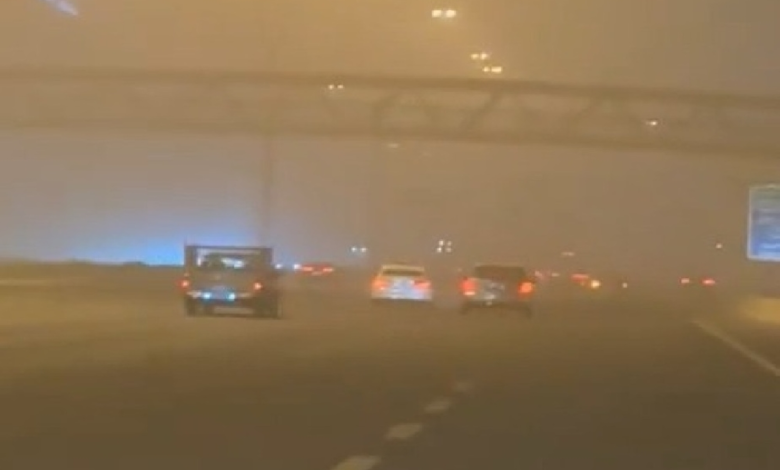
According to meteorological data, the effects of this weather system include a significant decrease in horizontal visibility due to strong surface winds, with wind speeds expected to range between 40 and 49 kilometers per hour. The center indicated that this condition will continue, God willing, until 6:00 PM today, urging citizens and residents to exercise caution.
The importance of weather monitoring and public safety
These ongoing alerts are part of the National Center of Meteorology's tireless efforts to monitor weather conditions and protect lives and property. These warnings are particularly important in desert and open areas, where high winds can stir up dust and sand, reducing visibility and potentially disrupting traffic on highways connecting the region's governorates.
The geographical and climatic context of the Najran region
The Najran region is distinguished by its geographical location in the south of the Kingdom and its diverse topography, which combines mountainous and desert areas. This diversity makes it susceptible to seasonal weather fluctuations, particularly regarding surface wind activity, which often stirs up dust. These weather phenomena are part of the typical climate of the Arabian Peninsula, where winds are active during certain transitional periods, affecting air quality and visibility.
Expected effects and safety guidelines
These strong winds and reduced visibility are expected to particularly affect drivers, especially on highways and open roads. Experts always advise reducing speed, using headlights, and avoiding valleys or areas where wind speeds may increase in such conditions. Those with respiratory illnesses and asthma are also advised to avoid direct exposure to dust and sandstorms to protect their health, and to follow official weather channels for continuous updates to stay informed about the latest weather developments.