
تشديد الرقابة على المحتوى الرقمي في السعودية
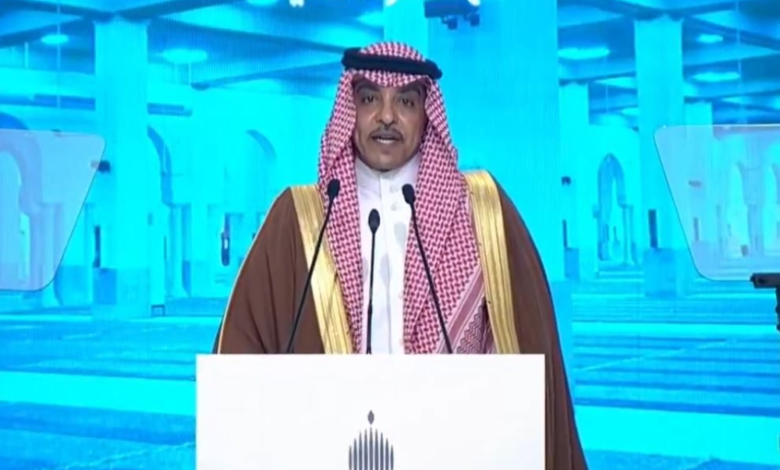
أكد معالي وزير الإعلام الأستاذ سلمان الدوسري على موقف المملكة الحازم تجاه أي محتوى إعلامي يمس المصلحة الوطنية، كاشفاً عن تفاصيل استدعاء الهيئة العامة لتنظيم الإعلام لـ 49 صانع محتوى، بسبب مخالفات تتعلق بنظام النشر. وأوضح الدوسري في تصريحات صحفية أن هذه الإجراءات تأتي في إطار الدور التنظيمي الذي تقوم به الهيئة لضمان التزام الجميع باللوائح والأنظمة المعمول بها، مشدداً على أن تطبيق النظام يتم على الجميع دون أي استثناء.
السياق التنظيمي والتحول الرقمي
تأتي هذه الخطوة في سياق جهود المملكة المستمرة لتنظيم الفضاء الإعلامي الرقمي الذي شهد نمواً متسارعاً خلال السنوات الأخيرة، تماشياً مع مستهدفات رؤية السعودية 2030 التي تشجع على التحول الرقمي. ومع تزايد أعداد صناع المحتوى والمؤثرين على منصات التواصل الاجتماعي، برزت الحاجة إلى وجود إطار قانوني واضح يوازن بين حرية التعبير والمسؤولية الوطنية. وتعمل الهيئة العامة لتنظيم الإعلام، بصفتها الجهة المشرفة، على تطبيق “نظام الإعلام المرئي والمسموع” الذي يهدف إلى حماية المجتمع من المحتوى المضلل والمخالف للقيم والنظام العام.
تفاصيل المخالفات وأساسها القانوني
بيّن الوزير الدوسري أن المخالفات المرصودة على صناع المحتوى المستدعين تندرج تحت الفقرة الثانية عشرة من المادة الخامسة من نظام الإعلام المرئي والمسموع. وتحظر هذه المادة بشكل صريح نشر أي محتوى “يتعارض مع مقتضيات المصلحة الوطنية”. وأشار إلى أن المحتوى المخالف لم يكن مجرد نقد موضوعي، بل تجاوز ذلك إلى مرحلة “تضليل الوعي العام وتشويه الحقائق”، وذلك عبر استغلال أدوات التأثير الرقمي بشكل سلبي للإضرار بالصالح العام. وأكد أن منظومة الإعلام ترحب دائماً بالنقد البنّاء الذي يهدف إلى التطوير، لكنها لن تتهاون مع محاولات التضليل والتأجيج.
الأهمية والتأثير المتوقع
على الصعيد المحلي، يبعث هذا الإجراء برسالة واضحة لجميع العاملين في قطاع صناعة المحتوى بضرورة الالتزام بالمهنية والمسؤولية، وأن الحرية الرقمية تقابلها مسؤولية قانونية واجتماعية. ومن المتوقع أن تساهم هذه الخطوة في رفع جودة المحتوى الرقمي وتعزيز بيئة إعلامية أكثر نضجاً وموثوقية. إقليمياً، تُعد هذه الخطوة مؤشراً على التوجه الخليجي والعربي نحو تنظيم الفضاء السيبراني لمواجهة تحديات الأخبار الزائفة وخطاب الكراهية، وقد تكون نموذجاً يُحتذى به في دول أخرى تواجه تحديات مشابهة. واختتم الدوسري حديثه بالتأكيد على ثقته بوعي المواطن السعودي وقدرته على التمييز بين النقد الهادف والمحتوى الذي يسعى إلى الإضرار باللحمة الوطنية.