Saudi Information Minister denies rumors of refusing to receive Tahnoon bin Zayed

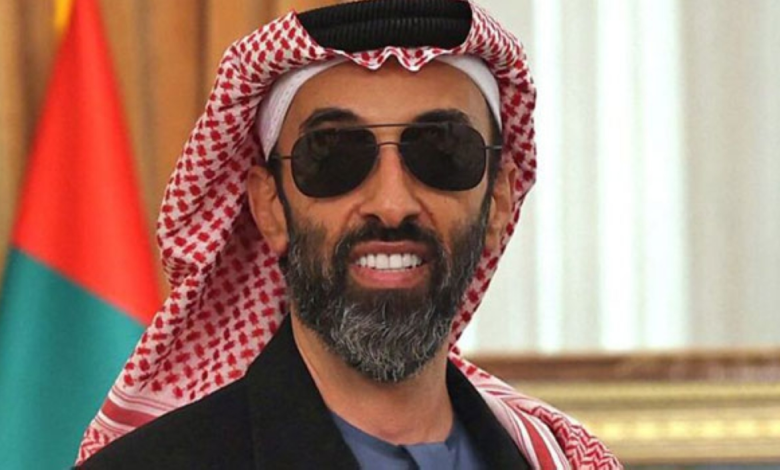
Saudi Minister of Information, Mr. Salman Al-Dossari, categorically denied the validity of the news circulating on social media platforms and some websites, which claimed that the Kingdom of Saudi Arabia refused to receive His Highness Sheikh Tahnoon bin Zayed Al Nahyan, Deputy Ruler of the Emirate of Abu Dhabi and National Security Advisor of the United Arab Emirates.
In a decisive official statement posted on his X account, Al-Dossari affirmed that these rumors are completely unfounded, emphasizing the deep fraternal ties between the two brotherly nations. The minister employed diplomatic language reflecting the close relationship, stating: "What is being circulated about the Kingdom refusing to receive His Highness Sheikh Tahnoon bin Zayed is untrue. His Highness comes to the Kingdom whenever he wishes without prior notice; it is his home, and its leadership is his family.".
The depth of Saudi-Emirati relations
This statement serves to preempt any attempts to undermine the strong strategic relationship between Riyadh and Abu Dhabi. Saudi-Emirati relations are an exceptional model of Arab-Arab relations, based on a long history of brotherhood and shared destiny, strengthened by ties of kinship, shared interests, and common bonds. The leaderships of both countries work in continuous and high-level coordination on all regional and international issues.
The Saudi-Emirati Coordination Council plays a pivotal role in institutionalizing these relations, overseeing dozens of strategic initiatives aimed at enhancing integration in economic, developmental, and military fields, thereby achieving the well-being of both brotherly nations. Reciprocal visits between officials of the two countries, whether announced or unofficial, are routine and reflect the close ties between them.
The importance of Sheikh Tahnoon bin Zayed and his strategic role
His Highness Sheikh Tahnoon bin Zayed Al Nahyan is a pivotal figure in the region's political, economic, and security landscape. As National Security Advisor and Deputy Ruler of Abu Dhabi, he plays a prominent role in strengthening regional security, and his visits to the Kingdom are part of ongoing consultations between the two leaderships to ensure regional stability and address shared challenges.
Such rumors, which surface from time to time, often aim to sow discord at a time when the region is facing geopolitical challenges that demand the highest levels of coordination. The swift and direct response from the Saudi Minister of Information reaffirms the Kingdom's policy of transparency and clarity, and reiterates that the Kingdom's doors are always open to its brothers, and that official protocols pale in comparison to the deep bond of brotherhood that unites the Kingdom with the leadership of the United Arab Emirates.
In conclusion, the Saudi-Emirati alliance remains a safety valve for the region and a fundamental pillar of the Gulf Cooperation Council, as the visions of the Kingdom’s “Vision 2030” and the UAE’s development plans are aligned, making the two countries partners in building a prosperous future for the entire region.
What is being circulated about the Kingdom refusing to receive His Highness Sheikh Tahnoon bin Zayed is untrue. His Highness comes to the Kingdom whenever he wishes without prior permission; it is his home and its leadership is his family. — Salman Al-Dosary (@SalmanAldosary) January 28, 2026