
خطوة استراتيجية نحو تطوير الخدمات العدلية في المملكة
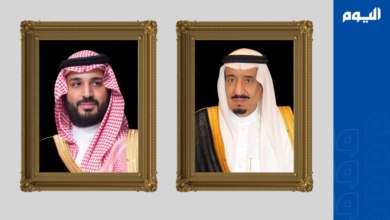
في ظل الدعم المستمر واللامحدود من لدن خادم الحرمين الشريفين الملك سلمان بن عبدالعزيز آل سعود، والمتابعة الحثيثة من صاحب السمو الملكي الأمير محمد بن سلمان بن عبدالعزيز، ولي العهد رئيس مجلس الوزراء -حفظهما الله-، تواصل المملكة العربية السعودية السير بخطى ثابتة نحو تحديث وتطوير المنظومة القضائية. وفي هذا السياق، يبرز التوجه الحكومي الجاد نحو تطوير الخدمات العدلية كأحد أهم ركائز تحقيق العدالة الناجزة، وهو ما ينعكس بشكل مباشر على جودة الحياة ورفع كفاءة الأداء المؤسسي بما يتماشى مع مستهدفات رؤية السعودية 2030.
السياق التاريخي والتحول الرقمي لوزارة العدل
تاريخياً، شهدت وزارة العدل السعودية خلال السنوات القليلة الماضية قفزات نوعية غير مسبوقة في مجال التحول الرقمي والعمل المؤسسي. فقد انتقلت الوزارة من الإجراءات الورقية التقليدية إلى منظومة رقمية متكاملة تُدار بأعلى معايير الحوكمة وتُقاس بمؤشرات أداء دقيقة. هذا البناء المؤسسي التراكمي أسهم بشكل فعال في تحقيق مستويات متقدمة من الانضباط التشغيلي، ووضوح الإجراءات، ورفع جودة المخرجات، مما انعكس إيجاباً على رضا المستفيدين من مواطنين ومقيمين وقطاع أعمال.
تفاصيل قرار تشكيل اللجنة العليا ومهامها
تتويجاً لمرحلة النضج المؤسسي التي وصلت إليها الوزارة، أصدر معالي وزير العدل، الدكتور وليد بن محمد الصمعاني، قراراً استراتيجياً يقضي بتشكيل “اللجنة العليا للمتابعة والإشراف على أعمال التطوير” برئاسة معاليه. تهدف هذه اللجنة إلى الانتقال بالعمل المؤسسي من مجرد التطوير إلى تعظيم الأثر وتوظيف الممكنات بفاعلية لدعم اتخاذ القرار. وتتولى اللجنة مهاماً حيوية تشمل مراجعة حوكمة أعمال قطاعات الوزارة، متابعة تنفيذ القرارات، توجيه أعمال اللجان الداخلية لضمان مواءمتها مع الاتجاه الاستراتيجي، بالإضافة إلى الإشراف المباشر على المبادرات والمشروعات الكبرى، وعلى رأسها التوسع في تطبيقات الذكاء الاصطناعي في مختلف القطاعات العدلية.
الأهمية والأثر المتوقع: محلياً، إقليمياً، ودولياً
يحمل هذا القرار أبعاداً استراتيجية تتجاوز النطاق المحلي. على الصعيد المحلي، سيؤدي تفعيل هذه اللجنة إلى تسريع وتيرة التقاضي، وتحسين تجربة المستفيد بشكل جذري، وضمان استدامة جودة الخدمات القانونية والتوثيقية. أما على الصعيد الإقليمي، فإن المملكة تعزز من مكانتها كنموذج رائد يُحتذى به في الشرق الأوسط في مجال رقمنة القضاء وحوكمة المؤسسات العدلية. وعلى الصعيد الدولي، يسهم وجود نظام عدلي متطور، شفاف، وسريع في رفع تصنيف المملكة في المؤشرات الدولية المتعلقة ببيئة الأعمال، مما يعزز ثقة المستثمرين الأجانب ويجذب المزيد من الاستثمارات العالمية، وهو ما يمثل دعامة أساسية للاقتصاد الوطني.
أساليب عمل متقدمة لاستشراف المستقبل
يأتي تشكيل هذه اللجنة كامتداد طبيعي لمرحلة تطبيق العمل المؤسسي المتقدم بالوزارة. ويمثل هذا القرار تحولاً نوعياً في فلسفة الإدارة؛ حيث لم يعد قياس الأداء مجرد أداة للمتابعة الرقابية، بل أصبح ممكناً رئيسياً لدعم القرار وقيادة التحسين المستمر. من خلال تبني أساليب عمل متقدمة واستشراف فرص التطوير، تضمن وزارة العدل بقاءها في طليعة المؤسسات الحكومية التي تقدم خدمات مستدامة وعالية الكفاءة، مما يرسخ مبادئ العدالة والشفافية في المجتمع.