Municipalities, housing, and the United Nations are developing national urban policy

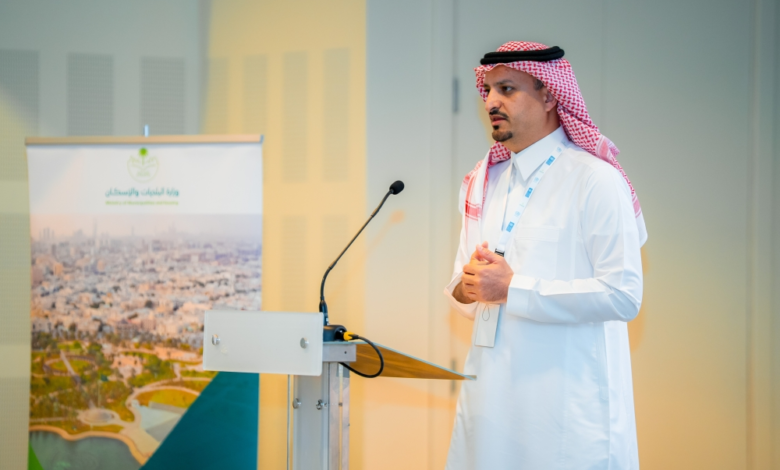
The Ministry of Municipalities and Housing in the Kingdom of Saudi Arabia continued its intensive efforts to develop the national urban policy by organizing the second workshop within the current phase of the project, in strategic partnership with the United Nations Development Programme (UNDP) and the United Nations Human Settlements Programme (UN-Habitat). The workshop witnessed broad participation from representatives of government agencies, the private sector, academic institutions, and a select group of international partners.
Strategic context and ambitious vision
This step comes as part of the Kingdom's efforts to achieve the goals of Vision 2030, which places sustainable urban development at the heart of its priorities. This workshop is particularly important as it is part of the participatory process for developing the Kingdom's first comprehensive national urban policy. This policy aims to unify and integrate national efforts in urban planning, management, and development, thereby contributing to the establishment of a comprehensive national framework that guides urban development and enhances the efficiency of the planning system in accordance with the best international standards and practices.
Historically, Saudi cities have experienced rapid expansion, necessitating unified policies to prevent haphazard development and enhance quality of life. This new policy aims to address accumulated urban challenges and direct investments toward smart and sustainable infrastructure.
Enhancing institutional efficiency and integration
In his opening remarks, Khalid bin Mohammed Al-Ghamlas, Undersecretary of the Ministry of Municipalities and Housing for Urban Planning and Lands, affirmed that developing the national urban policy represents a strategic step towards enhancing the efficiency of responses to current and future urban challenges. Al-Ghamlas emphasized the importance of integrated work among all relevant entities to ensure the formulation of a policy that reflects national priorities and keeps pace with the rapid urban transformations taking place in the Kingdom and the region.
Al-Ghamlas added: “This stage represents an important milestone in the policy-making process, as the views and proposals put forward will contribute directly to developing the next version of the policy and formulating its executive framework in a more integrated and clear manner.”.
International partnership for tangible results
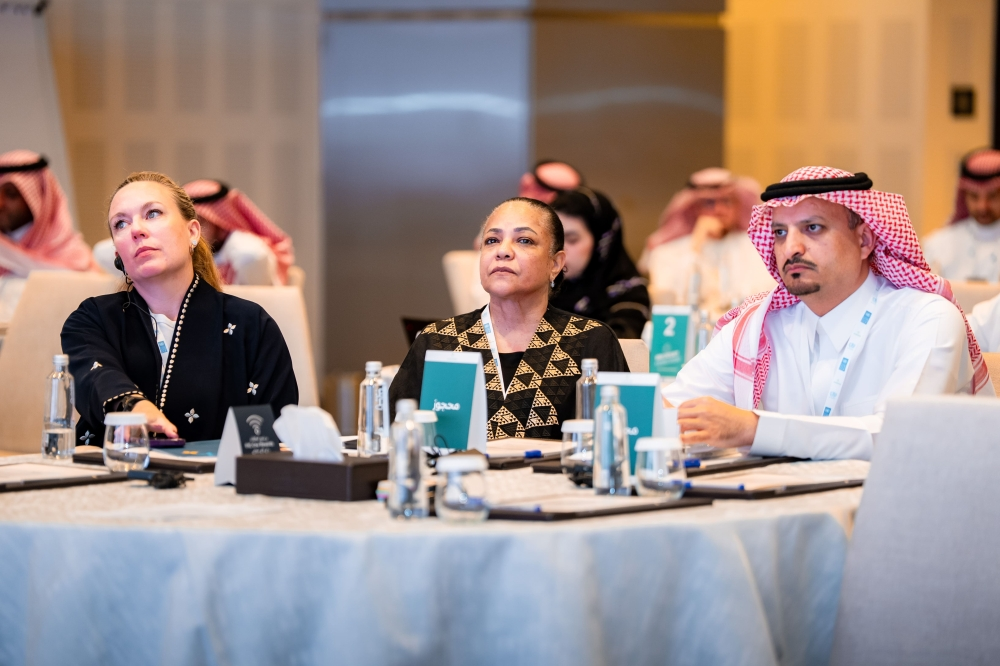
For their part, the UNDP Resident Representative in the Kingdom, Nahed Hussein, and the UN-Habitat Representative, Taina Christensen, emphasized the importance of integrating national and international expertise. They affirmed that a robust national urban policy can act as a cohesive framework linking economic diversification, housing, infrastructure, and environmental sustainability, thereby enhancing the quality of life across the Kingdom's cities and regions.
Ms. Nahed Hussein pointed out that the strong focus on coordination, participation and implementation is encouraging, as these elements are essential for achieving tangible results on the ground.
Expected impact: Inclusive and sustainable development
The workshop featured interactive discussion sessions focusing on the priorities of urban challenges and opportunities, mechanisms for enhancing spatial integration, and improving resource efficiency. Jawhara Al-Qaid, Director of the Senior Policy and Strategy Integration Department at the Ministry of Economy and Planning, also participated, emphasizing that sustainable urban development is a top national priority.
This project is expected to have a significant local and regional impact, as the national urban policy will contribute to:
- Improving the urban landscape and humanizing Saudi cities.
- Attracting foreign and domestic investments through a clear and transparent planning environment.
- Promoting environmental sustainability and reducing carbon emissions in cities.
- Achieving developmental balance between the different regions of the Kingdom.
National urban policies are among the globally recognized tools for enhancing coordination between different sectors, guiding the future course of urban development, and stimulating investments towards more productive, inclusive, and sustainable cities, which is what the Ministry of Municipalities and Housing seeks to achieve through this comprehensive participatory approach.