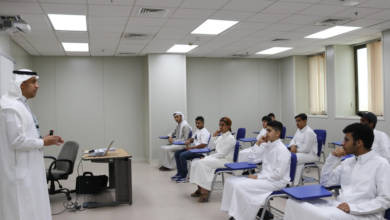

في خطوة استراتيجية تهدف إلى تعزيز التوافق بين مخرجات التعليم العالي ومتطلبات سوق العمل المتجددة، أعلنت هيئة تقويم التعليم والتدريب في المملكة العربية السعودية عن إطلاق الدورة الثانية من “استطلاع جودة التعليم الجامعي لعام 2026”. تستهدف هذه المبادرة الوطنية الشاملة جمع بيانات دقيقة من أربع فئات رئيسية هي: الطلاب الحاليون، الخريجون، أعضاء هيئة التدريس، وجهات التوظيف، بهدف بناء جسر متين بين الأوساط الأكاديمية والقطاعات الصناعية والخدمية.
سياق المبادرة ضمن رؤية المملكة 2030
يأتي هذا الاستطلاع في إطار التحولات الجذرية التي تشهدها المملكة كجزء من رؤية 2030، التي تضع تنمية رأس المال البشري في صميم أولوياتها. فمع سعي المملكة لتنويع اقتصادها وتقليل الاعتماد على النفط، برزت الحاجة الماسة إلى كوادر وطنية مؤهلة تمتلك المهارات اللازمة لقيادة القطاعات الاقتصادية الجديدة والواعدة. ويعتبر “برنامج تنمية القدرات البشرية”، أحد برامج تحقيق الرؤية، المظلة التي تندرج تحتها مثل هذه المبادرات، حيث يهدف إلى ضمان أن يمتلك المواطنون قدرات تمكنهم من المنافسة عالميًا من خلال تعزيز القيم وتطوير المهارات الأساسية ومهارات المستقبل.
أهداف الاستطلاع وأهميته الاستراتيجية
أوضحت هيئة تقويم التعليم والتدريب أن الهدف الأساسي من الاستطلاع هو توفير فهم عميق وشامل للعلاقة بين ما تقدمه الجامعات من برامج أكاديمية وما يحتاجه سوق العمل من كفاءات ومهارات فعلية. ستُستخدم نتائج الاستطلاع كقاعدة بيانات موثوقة لدعم صناع القرار في الجامعات ووزارة التعليم لاتخاذ قرارات استراتيجية مستنيرة. وتشمل هذه القرارات تطوير المناهج الدراسية، وتحديث أساليب التدريس والتقييم، وإدماج برامج التدريب العملي والتطبيقي بشكل أكثر فاعلية، بالإضافة إلى تعزيز برامج تنمية المهارات الشخصية والمهنية لدى الطلاب.
التأثير المتوقع على المستويين المحلي والوطني
من المتوقع أن تنعكس نتائج هذه المبادرة بشكل إيجابي ومباشر على عدة أصعدة. فعلى مستوى الخريجين، ستزيد فرصهم في الحصول على وظائف ملائمة لتخصصاتهم، مما يساهم في خفض معدلات البطالة بين الشباب ورفع مستوى الرضا الوظيفي. أما بالنسبة للجامعات، فستتمكن من تعزيز سمعتها الأكاديمية وقدرتها التنافسية على الصعيدين الإقليمي والدولي. وعلى المستوى الوطني الأوسع، ستساهم هذه الخطوة في تسريع وتيرة التنمية الاقتصادية والاجتماعية عبر تزويد قطاعات العمل المختلفة بكفاءات وطنية قادرة على الابتكار والإنتاجية، مما يدعم مسيرة التحول الوطني الشاملة.
ودعت الهيئة جميع الفئات المستهدفة إلى المشاركة الفاعلة في الاستطلاع تحت شعار «نشارك لنتطور»، مؤكدة أن تفاعلهم وآراءهم تمثل حجر الزاوية في بناء مستقبل أفضل لمنظومة التعليم العالي في المملكة، وضمان إعداد جيل قادر على مواكبة تحديات المستقبل والمساهمة في تحقيق الازدهار الوطني.