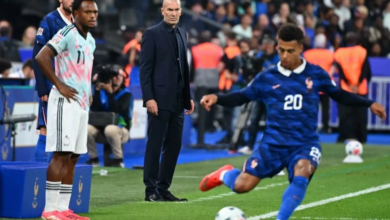

أزمة فنية تضرب صفوف الأخضر
يعيش المنتخب السعودي الأول لكرة القدم فترة حرجة وحالة من التخبط الفني، مما أثار قلق الجماهير والنقاد الرياضيين على حد سواء. جاء هذا القلق بعد الخسارة الثانية التي تلقاها “الأخضر” أمام نظيره المنتخب الصربي بنتيجة (2-1) في المباراة الودية التي أقيمت في العاصمة الصربية بلغراد. وتأتي هذه المواجهة ضمن المعسكر الإعدادي الجاري استعداداً لخوض غمار التصفيات المؤهلة إلى كأس العالم 2026. وقد فتحت هذه النتائج السلبية باب الانتقادات واسعاً حول أسباب تراجع المنتخب السعودي مع المدرب الفرنسي هيرفي رينارد.
السياق التاريخي وتطلعات الجماهير
تاريخياً، يُعد المنتخب السعودي واحداً من أبرز المنتخبات في القارة الآسيوية، حيث يمتلك سجلاً حافلاً يتضمن التأهل إلى نهائيات كأس العالم ست مرات في تاريخه، كانت آخرها نسخة قطر 2022 التي شهدت انتصاراً تاريخياً للأخضر على المنتخب الأرجنتيني بطل العالم. هذا الإنجاز الاستثنائي تحت قيادة رينارد نفسه رفع سقف الطموحات والتوقعات لدى الشارع الرياضي السعودي. ومع ذلك، فإن التراجع الملحوظ في الأداء والنتائج مؤخراً يطرح تساؤلات جوهرية حول مدى قدرة الجهاز الفني الحالي على تجديد الدوافع ومواكبة التطور المستمر في كرة القدم الحديثة.
انقسام النقاد حول مستقبل رينارد
في سياق البحث عن حلول، شخص عدد من النقاد أسباب هذا التراجع. أوضح المدرب الوطني محمد أبوعراد أن هناك العديد من الأسماء التدريبية التي يمكن الاستعانة بها لتدريب المنتخب السعودي بدلاً من الفرنسي هيرفي رينارد، مشيراً إلى أن النتائج الأخيرة أظهرت عدم كفاءته للمرحلة الحالية، خاصة مع اقتراب الاستحقاقات الرسمية. واقترح أبوعراد أسماء وطنية مثل سعد الشهري أو خالد العطوي كخيارات أفضل لقيادة “الأخضر”، أو حتى الاستعانة بمدربين أجانب ذوي خبرة في الدوري المحلي، معتبراً أن أسلوب لعب بعض المدربين الحاليين كخورخي خيسوس قد لا يناسب المنتخب. وشدد على ضرورة تأمين الخطوط الدفاعية قبل خوض غمار المونديال.
التحذير من القرارات الانفعالية
على الجانب الآخر، حذر المحاضر الآسيوي الدكتور يحيى جابر من اتخاذ قرارات انفعالية، معتبراً أن إقالة رينارد في هذا التوقيت ستكون خطأً إدارياً فادحاً يضاف إلى أخطاء سابقة. وأكد جابر أن تغيير المدربين يولد مشاكل فنية إضافية ويعتبر حلاً مؤقتاً قد ينجح أو يفشل، وغالباً ما يذهب ضحيته الجهاز الفني الجديد. وأوضح أن المشكلة الحقيقية تكمن في الإدارة الرياضية لكرة القدم التي تفتقر إلى خطط واستراتيجيات طويلة الأمد، بدلاً من البحث المستمر عن بطولات وقتية لا تخدم مستقبل الكرة السعودية.
جودة اللاعبين واحتكار الأندية الكبرى
من جهة أخرى، تطرق المدير الفني للمركز الإقليمي في عسير، أحمد محرز، إلى جودة اللاعبين كعامل أساسي في الأزمة. وأكد محرز أن المشكلة تتجاوز هوية المدرب، سواء كان أجنبياً أو وطنياً، لتصل إلى افتقار المنتخب للاعبين ذوي جودة فنية عالية قادرين على صناعة الفارق داخل المستطيل الأخضر. ووجه رسالة لاتحاد الكرة بأن تمثيل المنتخب الوطني يجب ألا يكون حكراً على لاعبي الأندية الأربعة الكبار (الهلال، النصر، الاتحاد، والأهلي). وأضاف محرز نقطة جوهرية تتعلق بالشغف، مشيراً إلى أن أغلب لاعبي الجيل الحالي وصلوا إلى مرحلة من التشبع الكروي، ولن يقدموا مستويات أفضل مما قدموه سابقاً، سواء استمر رينارد في منصبه أو غادر.
التأثير المتوقع وأهمية المرحلة القادمة
إن أهمية هذا الحدث وتأثيره المتوقع تتجاوز النطاق المحلي لتشمل البعدين الإقليمي والدولي. فعلى الصعيد المحلي، يخلق هذا التراجع فجوة ثقة بين الجماهير واللاعبين، ويزيد من الضغوط الإعلامية على اتحاد الكرة. أما إقليمياً، فإن استمرار هذا الأداء قد يهدد مكانة “الأخضر” كقوة ضاربة في القارة الآسيوية، مما يصعب من مهمته في التصفيات القارية. ودولياً، يؤثر التراجع في النتائج الودية والرسمية على تصنيف المنتخب في الاتحاد الدولي لكرة القدم (فيفا)، وهو ما قد يضعه في مستويات تصنيفية معقدة عند إجراء قرعة البطولات الكبرى. لذا، بات من الضروري تكاتف الجهود ووضع استراتيجية شاملة تعيد بناء المنتخب السعودي على أسس متينة تضمن له المنافسة بقوة في كأس العالم 2026.