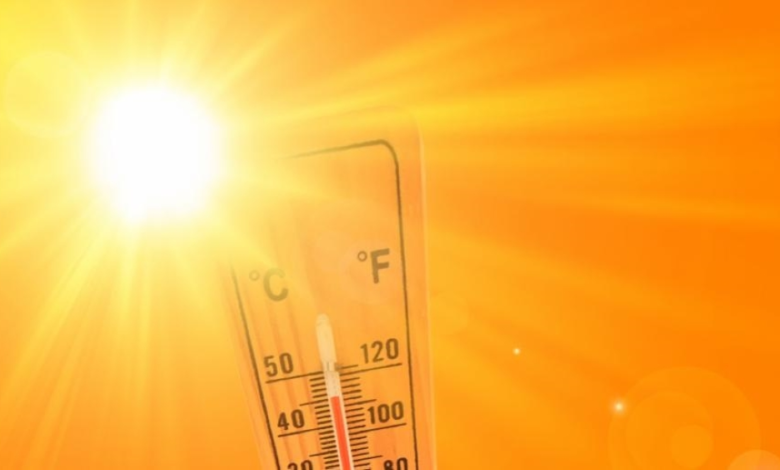

حسم المركز الوطني للأرصاد في المملكة العربية السعودية الجدل الدائر حول ارتباط ظاهرة تعامد الشمس بحدوث موجات حر شديدة أو ارتفاعات استثنائية في درجات الحرارة. وأكد المركز أن هذه الظاهرة تُعد حدثاً فلكياً طبيعياً يتكرر بشكل سنوي ومعتاد على عدد من المناطق الجغرافية الواقعة ضمن نطاق المدارين، ولا تعني بأي حال من الأحوال تسجيلاً لفروقات حرارية هائلة أو غير مسبوقة عن المعدلات الطبيعية المعلنة.
حقيقة ارتباط تعامد الشمس بدرجات الحرارة
في هذا السياق، أوضح المتحدث الرسمي باسم المركز الوطني للأرصاد، حسين بن محمد القحطاني، أن درجات الحرارة على سطح الأرض تتأثر بمنظومة معقدة من العوامل الجوية والمناخية المتداخلة، ولا تعتمد فقط على زاوية سقوط أشعة الشمس. وتشمل هذه العوامل المؤثرة نسب الرطوبة في الجو، وسرعة الرياح واتجاهاتها، ومدى توفر الغطاء السحابي، بالإضافة إلى طبيعة الكتل الهوائية (الحارة أو الباردة، الجافة أو الرطبة) التي تعبر المنطقة. وأشار القحطاني إلى أن ظاهرة تعامد الشمس معروفة فلكياً وتحدث بشكل دوري كل عام، حيث يتم رصدها ومتابعتها من قبل المختصين ضمن الظواهر الطبيعية المعتادة دون أن تثير أي قلق مناخي.
السياق التاريخي والفلكي لظاهرة التعامد
تاريخياً وفلكياً، تحدث ظاهرة تعامد الشمس نتيجة لميل محور دوران الأرض بزاوية قدرها 23.5 درجة، مما يجعل الشمس تبدو وكأنها تتحرك ظاهرياً بين مداري السرطان شمالاً والجدي جنوباً. ومن أشهر الأمثلة على هذه الظاهرة محلياً وإسلامياً هو تعامد الشمس على الكعبة المشرفة في مكة المكرمة، والذي يحدث مرتين سنوياً. وقد استفاد المسلمون الأوائل من هذه الظاهرة الفلكية الدقيقة في تحديد اتجاه القبلة جغرافياً للمناطق البعيدة، حيث يختفي ظل الكعبة تماماً وقت أذان الظهر، ويكون اتجاه الشمس في تلك اللحظة هو الاتجاه الدقيق للقبلة من أي مكان في العالم يرى الشمس في ذلك الوقت.
أهمية الحدث وتأثيره المحلي والإقليمي
تكتسب التوضيحات الصادرة عن المركز الوطني للأرصاد أهمية كبرى على المستويين المحلي والإقليمي، خاصة في ظل التغيرات المناخية العالمية التي يشهدها كوكب الأرض، والتي جعلت الجمهور أكثر حساسية وتفاعلاً مع أخبار الطقس والمناخ. محلياً، يساهم هذا التوضيح في الحد من انتشار الشائعات والمعلومات المغلوطة عبر وسائل التواصل الاجتماعي، والتي قد تثير الذعر غير المبرر بين المواطنين بشأن موجات حر خيالية. أما إقليمياً، فإن المملكة العربية السعودية تلعب دوراً ريادياً في مجال الأرصاد الجوية من خلال امتلاكها لمنظومة متكاملة من محطات الرصد السطحي، وتقنيات الاستشعار عن بعد، والرادارات، والنماذج العددية المتطورة.
وشدد المركز في ختام بيانه على ضرورة استقاء المعلومات المناخية والجوية من مصادرها الرسمية المعتمدة. ودعا جميع أفراد المجتمع ووسائل الإعلام إلى متابعة التنبيهات والتحذيرات والتحديثات الدورية الصادرة عن المركز الوطني للأرصاد عبر قنواته الرسمية، لضمان الحصول على بيانات دقيقة وموثوقة تساهم في الحفاظ على السلامة العامة وتدعم اتخاذ القرارات السليمة في مختلف القطاعات الحيوية.