
تأكيد على متانة الحوكمة والشفافية
أكد مجلس الجمعيات الأهلية في المملكة العربية السعودية على قوة ومتانة الإطار التنظيمي والحوكمة الذي يعمل من خلاله القطاع غير الربحي. جاء هذا التأكيد في بيان رسمي رداً على بعض الأطروحات التي تم تداولها عبر وسائل الإعلام ومنصات التواصل الاجتماعي، والتي تناولت مستوى الثقة والحوكمة في أعمال الجمعيات الأهلية. وشدد المجلس على أن التعميمات أو التشكيك الذي أثير لا يعكس الواقع المؤسسي والتنظيمي الذي تخضع له هذه الجمعيات، والتي تمثل شريكاً وطنياً فاعلاً في مسيرة التنمية الشاملة.
السياق العام: القطاع الثالث كركيزة في رؤية 2030
يحظى القطاع غير الربحي في المملكة بدعم وتمكين غير مسبوقين من القيادة الرشيدة، انطلاقاً من دوره المحوري كأحد المرتكزات التنموية الرئيسية ضمن مستهدفات رؤية المملكة 2030. تهدف الرؤية إلى رفع مساهمة القطاع في الناتج المحلي الإجمالي من أقل من 1% إلى 5% بحلول عام 2030، وهو ما استدعى تطوير بنية تحتية تشريعية وتنظيمية متكاملة لضمان نموه واستدامته. ويأتي تأسيس “المركز الوطني لتنمية القطاع غير الربحي” كجهة تنظيمية وإشرافية مستقلة ليعكس هذا التوجه، حيث يعمل المركز على تطبيق أعلى معايير الحوكمة والشفافية، وتمكين المنظمات من تحقيق أثر أعمق.
إطار تشريعي ورقابي متكامل
أوضح المجلس أن الجمعيات والمؤسسات الأهلية تعمل وفق منظومة تشريعية ورقابية متكاملة تبدأ من مرحلة التأسيس والترخيص، وتمتد لتشمل الإفصاح المالي، والرقابة، والامتثال، والمتابعة الدورية. وتخضع هذه المنظمات لأحكام نظام الجمعيات والمؤسسات الأهلية الصادر بالمرسوم الملكي رقم (م/8) وتاريخ 19/2/1437هـ، بالإضافة إلى إشراف مباشر من المركز الوطني لتنمية القطاع غير الربحي والجهات الحكومية المختصة حسب نشاط كل جمعية. هذا الإطار يضمن تعزيز الشفافية، ورفع كفاءة الأداء المؤسسي، وحماية حقوق جميع الأطراف المعنية.
تنظيم جمع التبرعات وحماية أموال المتبرعين
وفيما يتعلق بجمع التبرعات، أكد المجلس أنها تخضع لمنظومة رقابية وتشريعية دقيقة وفق أحكام نظام جمع التبرعات الصادر بالمرسوم الملكي رقم (م/43) وتاريخ 8/2/1446هـ ولائحته التنفيذية. تهدف هذه الأنظمة إلى تعزيز مستويات الشفافية والامتثال، وحماية المتبرعين، وضمان وصول تبرعاتهم إلى مستحقيها عبر القنوات النظامية المعتمدة، مثل المنصة الوطنية للتبرعات “إحسان” وغيرها من القنوات المرخصة، مما يقطع الطريق أمام أي ممارسات غير نظامية.
الأثر التنموي والمجتمعي للقطاع
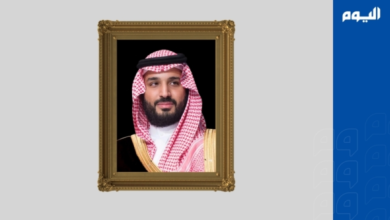
لقد حقق القطاع غير الربحي نمواً متسارعاً خلال السنوات الأخيرة، حيث تجاوزت مساهمته 70 مليار ريال في الناتج المحلي الإجمالي، وهو ما يعكس حجم الثقة المؤسسية التي يحظى بها ودوره المتنامي في التنمية الوطنية. وأشاد المجلس بما يحظى به العمل الأهلي من دعم مستمر من القيادة، وتأكيد صاحب السمو الملكي الأمير محمد بن سلمان بن عبدالعزيز آل سعود، ولي العهد رئيس مجلس الوزراء، في أكثر من مناسبة على الدور التنموي للجمعيات الأهلية وأثرها في خدمة المجتمع وتعزيز القيم المجتمعية.
مسؤولية وطنية مشتركة
وشدد المجلس على أن الحفاظ على ثقة المجتمع والمتبرعين والمانحين بالقطاع غير الربحي هو مسؤولية وطنية مشتركة تتطلب دعم الجهود التنظيمية والرقابية والتوعوية. ودعا إلى أهمية استقاء المعلومات من مصادرها الرسمية وعدم الانسياق خلف الانطباعات العامة أو التعميمات التي قد تؤثر في الصورة الذهنية للقطاع أو تقلل من الجهود الكبيرة التي تبذلها الجمعيات الأهلية والعاملون فيها لخدمة المجتمع والوطن. وأكد المجلس احتفاظه بحقه النظامي في اتخاذ الإجراءات القانونية اللازمة تجاه أي تجاوزات من شأنها الإضرار بسمعة الجمعيات الأهلية أو التشكيك في نزاهتها ومصداقيتها المؤسسية.